

Ships at sea, tensions on land: Trump’s silent show of force against Iran


 Messenger
 Whatsapp
 Threads
 Email
Email
 Print
Print
 X
X
 Facebook
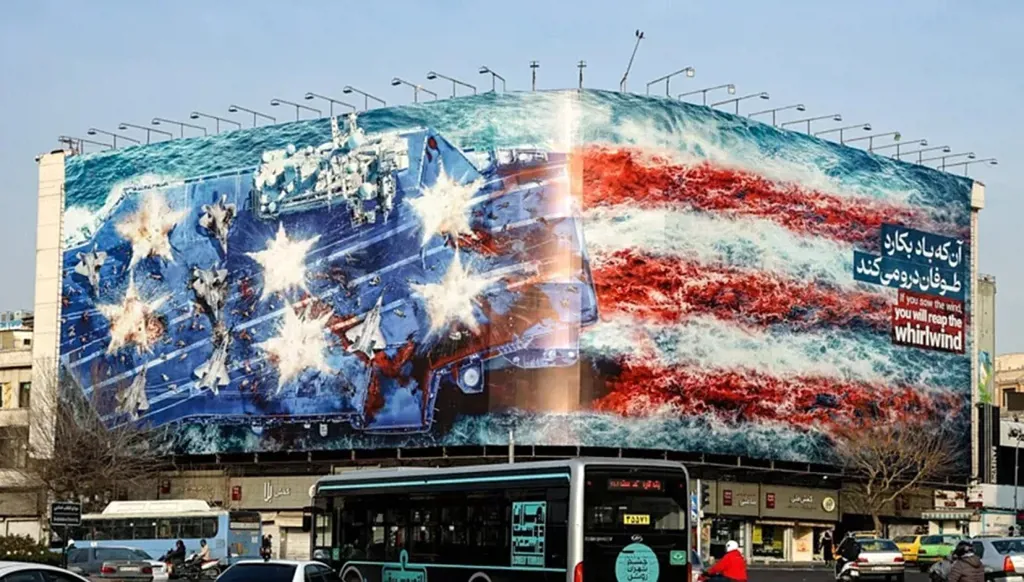


There are field indicators, communication movements, and regional stances that support the conclusion that the United States is on the verge of launching a new military strike against Iran. Nevertheless, no one can confirm the inevitability of the strike or the actual goal behind it—whether it is to encourage Iranians to return to the streets or to pressure the regime to return to the negotiating table and sign a new agreement with America under harsh conditions.
When U.S. President Donald Trump announced on Thursday the deployment of an American fleet to the Middle East, he also expressed hope that he would not have to use it. In other words, this indicates that the decision to strike has not yet been made, that the window for diplomacy has not been completely exhausted, or that the current goal is to exert additional pressure on the Iranian government, which is grappling with a severe economic crisis, street protests, and a loss of strength compared to before the Israeli-American war in June of last year. Additionally, its allies in the region have been weakened by Israeli strikes.
The military buildup is necessary to demonstrate Trump’s seriousness and his refusal to rule out any option. This is clearly reflected by the arrival of the American aircraft carrier "Abraham Lincoln" and its combat group in the Arabian Sea, increasing reinforcements to levels seen in June.
In line with the American show of strength, U.S. Central Command leader General Brad Cooper accompanied U.S. envoy Steve Witkoff and his son-in-law Jared Kushner on their visit to Israel over the weekend. Additionally, Israel has placed its air force on high alert, international airlines have canceled flights to Tel Aviv, and countries have urged their citizens to avoid traveling to the Middle East. Israeli media are publishing security reports expressing concern that Iran might carry out a “preemptive” strike against Israel.
Meanwhile, Turkish Foreign Minister Hakan Fidan remarked on the tension between the United States and Iran, stating that “Israel is the side most eager for confrontation, not the United States.”
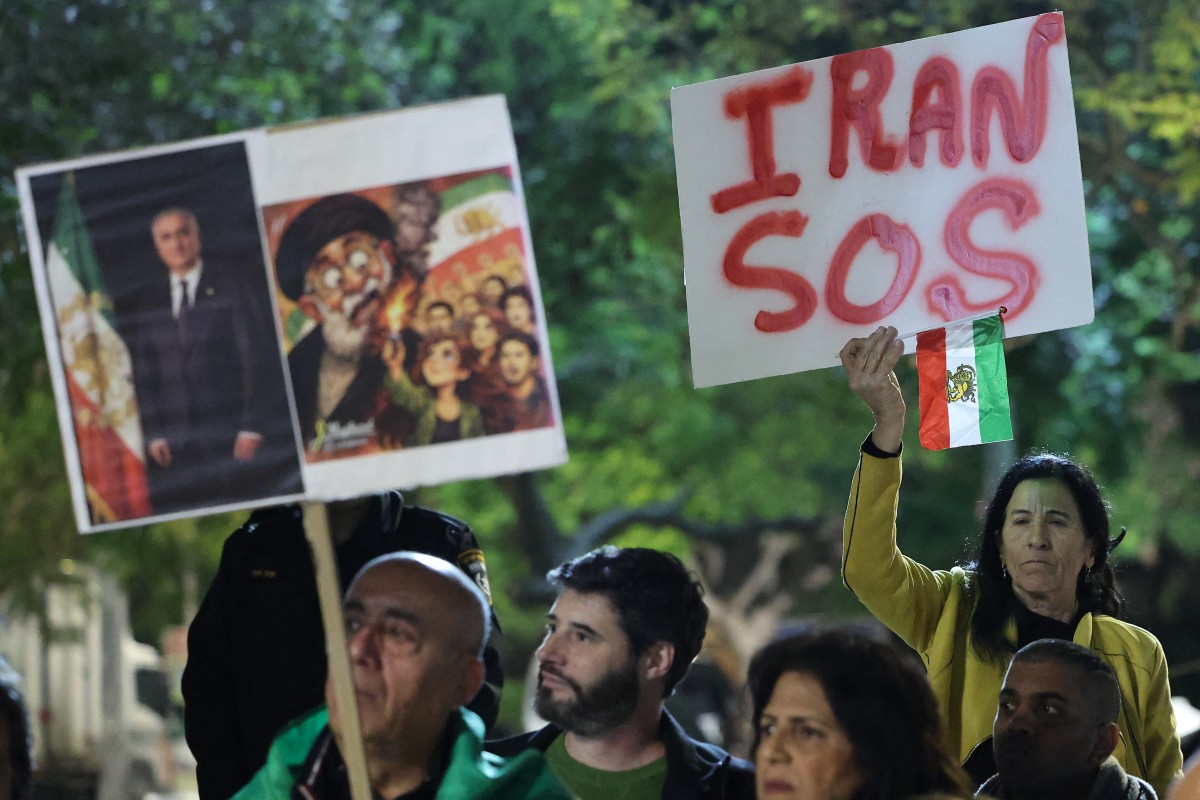
Although Israeli officials are careful not to take public stances, they acknowledge that Trump alone holds the decision to wage war. So far, it remains unclear how the American military option could assist protesters inside Iran, especially since the regime has managed to contain the recent demonstrations. Mohammad Reza Pahlavi, the son of former Shah Reza Pahlavi, even accused Washington of “throwing Iranian protesters under the bus” after Trump promised them that “American help is on the way” but took no action.
Thus, any American strike now would merely be an attempt to encourage protesters to return to the streets and further weaken the regime, without verifying whether the White House truly wants to topple it rather than striking a strict deal with it. But resorting to force might also lead to unpredictable results. Military action in Iran is different from the one Trump tried in June by destroying nuclear facilities with swift strikes or the commando raid in Caracas on January 3rd, resulting in the arrest of Venezuelan President Nicolas Maduro.
In Iran, even the staunchest opponents of the Iranian regime within the United States warn that a swift military action is unlikely to succeed in toppling the regime. For instance, former U.S. National Security Advisor John Bolton says, “Let’s think about how we can assist the Iranian opposition… A single military strike won’t accomplish that.” Similarly, Ian Goldenberg, who led the Iran team at the Pentagon during former President Barack Obama’s administration, cautions that a military strike “might open Pandora’s box in Iran, which sees protests for limited periods, while the regime still possesses capabilities… This is what is called a civil war.”
What is happening today between Trump and Iran can rightly be termed “gunboat diplomacy” or “escalation to de-escalate.” It is a policy that is also fraught with the risk of unintended consequences.
Disclaimer: The opinions expressed by the writers are their own and do not necessarily represent the views of Annahar.