

From the Shah to Khamenei: Why Iran’s regime keeps surviving


 Messenger
 Whatsapp
 Threads
 Email
Email
 Print
Print
 X
X
 Facebook
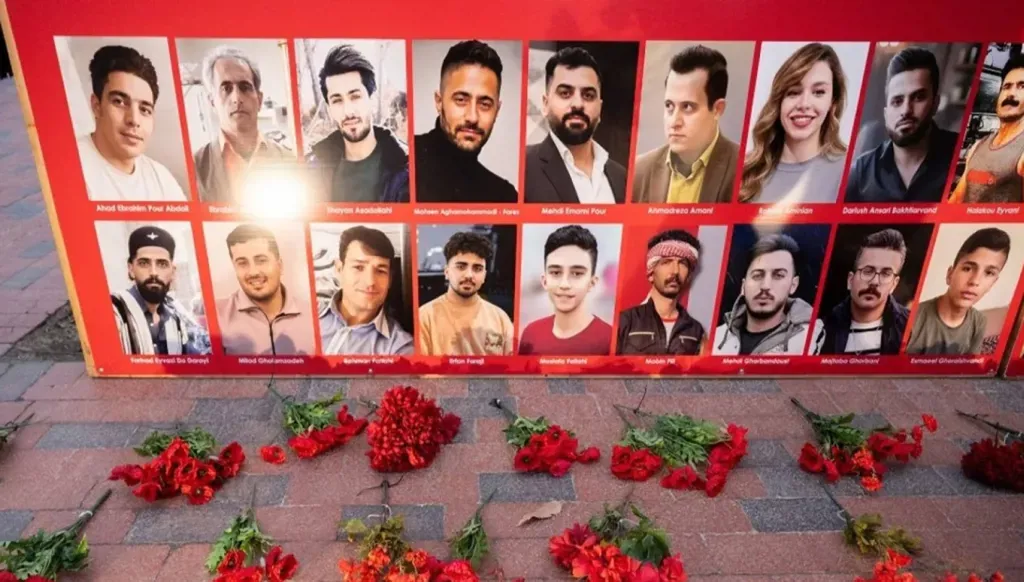


In the winter 1978–1979 issue of "Foreign Affairs," James A. Bill - an American expert on Iranian affairs and author of "The Eagle and the Lion: The Tragedy of American-Iranian Relations" - published an article titled “Iran and the Crisis of 1978.”
At the height of Iran’s social, popular, and security turmoil, Bill argued that the the most probable alternative to the Shah would be “a left-wing, progressive group of middle-ranking army officers governing Iran in a transitional period.”
He also entertained other possibilities, including a "right-wing military junta, a liberal democratic system based on Western models, and a communist government. What ultimately unfolded, however, defied his expectations: Ayatollah Ruhollah Khomeini established the Islamic Republic.
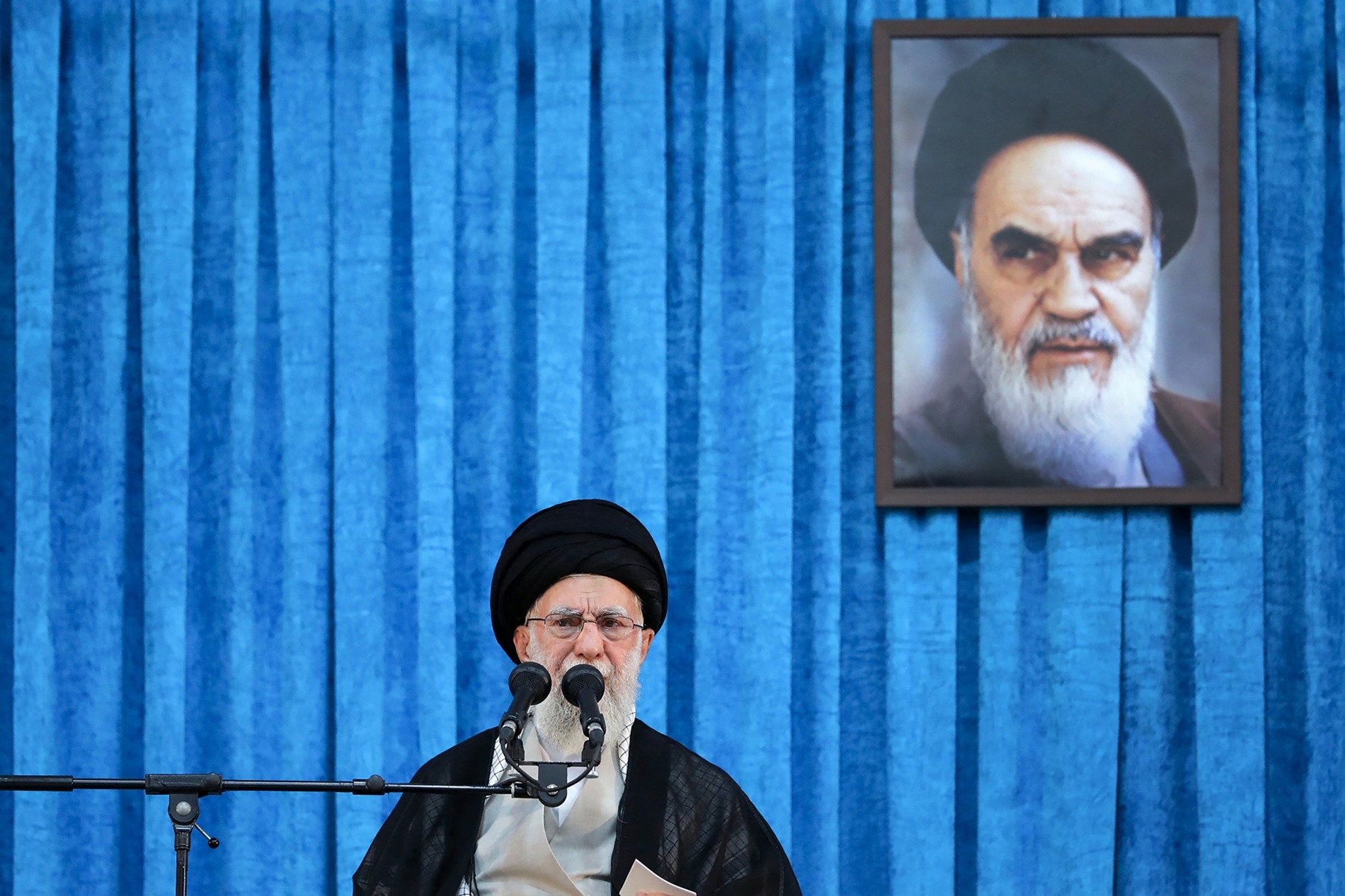
On October 15, 2025, Karim Sadjadpour, an American analyst specializing in Iranian affairs and a fellow at the Carnegie Endowment for International Peace, anticipated the dynamics unfolding in Iran today. In an article published in "Foreign Affairs" titled “The Autumn of the Ayatollahs,” he sought to imagine what Iran might look like after the death or removal of its Supreme Leader, Ali Khamenei. Rather than offering firm predictions, Sadjadpour posed a series of probing questions: Would Iran follow China’s path, shifting from theocratic rule to technocratic governance? Would it resemble Pakistan, becoming a security state dominated by senior officers of the Revolutionary Guards? Might it grow isolated and intimidating like North Korea? Could it display the regressive traits Russia exhibited after the collapse of the Soviet Union? Or would it evolve into an uncompromising authoritarian system akin to present-day Turkey? Attempting to draw confident conclusions about Iran’s future from the turmoil in the streets, however, is akin to reading tea leaves. Sadjadpour himself acknowledges this uncertainty, noting that attempting to extract confident predictions about Iran’s future from street chaos is a form of illusion.
In reality, claims that the mullahs’ regime is on the verge of collapse because a relatively small number of young Iranians take to the streets chanting anti-regime or anti-leadership slogans are hardly reassuring. Both Sadjadpour and Bill - seasoned experts on Iran - have come to the conclusion that restraint and caution in issuing hasty judgments are the best safeguards against disappointment.
Since the Green Movement of 2009, the Khamenei regime has repeatedly confronted political and security crises no less threatening to the system’s foundations than those that faced the Shah in 1979 and ultimately led to his downfall. Yet each time, the response has been the same: intervention by the Islamic Revolutionary Guards, employing brutal repression, spilling blood in the streets, and deepening chaos by mobilizing a vast loyalist base against an opposition that appears weak and fragmented in the eyes of the broader public.
This pattern recalls what Scott Anderson, author of "King of Kings: The Iranian Revolution: A Story of Hubris, Delusion, and Catastrophic Miscalculation," observed in his account of the Islamic Revolution. Anderson contrasts the Shah’s hesitation and eventual surrender with Khamenei’s willingness to confront his opponents decisively. As he told David Remnick of The New Yorker, had Mohammad Reza Pahlavi been more ruthless - had he ordered his troops to fire indiscriminately into the crowds - his regime might have survived, and the mullahs might never have taken power in Tehran. The recurring question, then, with each new wave of protest remains: Will the average soldier on the street shed more and more blood? How far will they go?
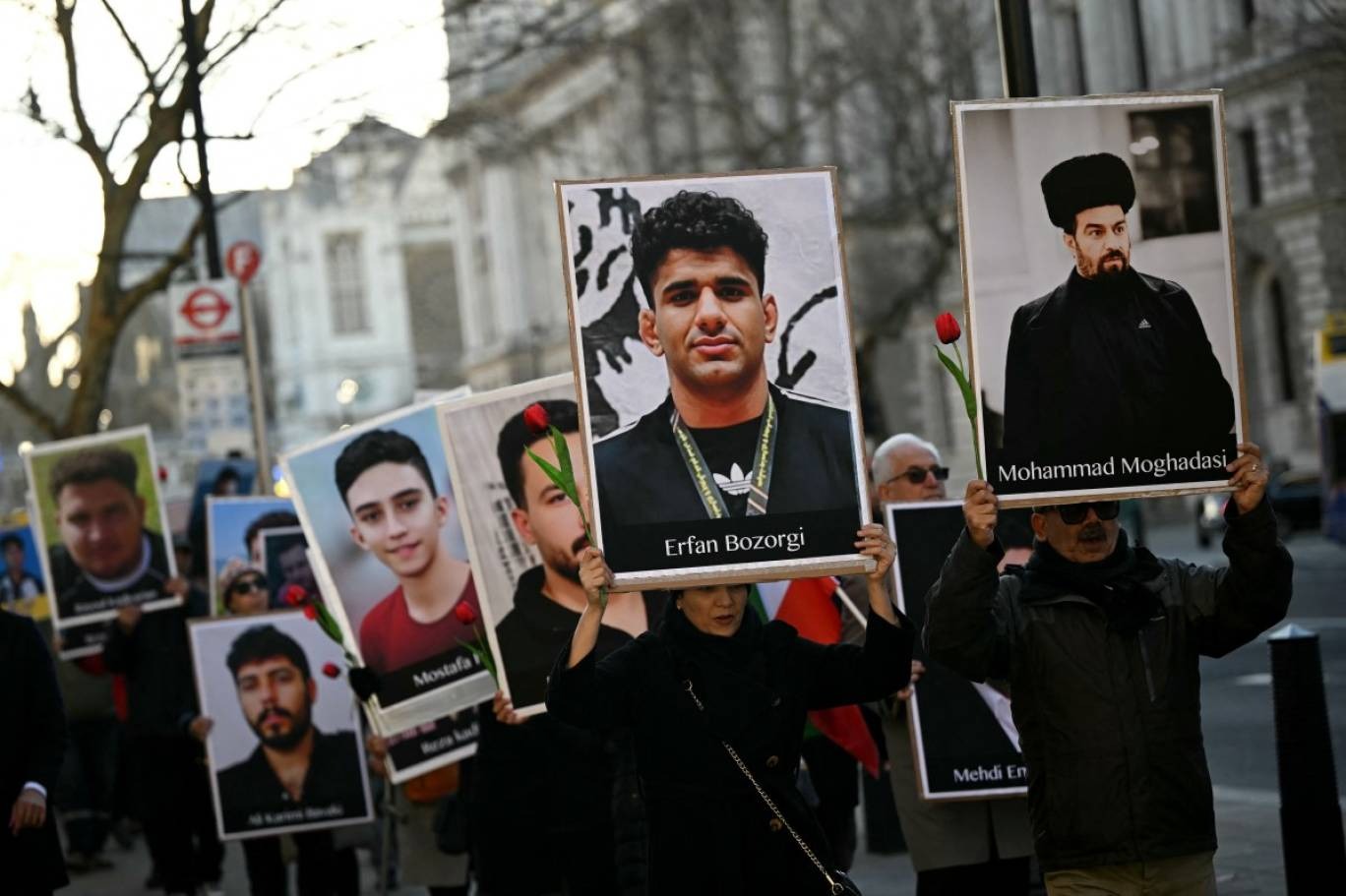
Betting today on the weakness of the Iranian regime, and on the notion that this moment is ripe for transformative change from within, appears both illusory and fragile. A system grounded in metaphysics can be dislodged only by metaphysics itself, and this is not present in the Iranian case. Neither secularism nor other Western models are acceptable, as many Iranians view them as a burial of their religious faith, their doctrinal commitments, and a system they regard as uniquely their own. Consequently, even when criticism of the performance of regime officials reaches a boiling point, public anger is directed at individuals, while the system itself remains largely beyond reproach.
Disclaimer: The opinions expressed by the writers are their own and do not necessarily represent the views of Annahar