

Lebanon Faces a Critical Moment as the Quintet Reappears on the Regional Stage



 Messenger
 Whatsapp
 Threads
 Email
Email
 Print
Print
 X
X
 Facebook


The official community in Lebanon did not anticipate the emergence of an international show of support by the group of five nations, which had been absent from the Lebanese scene for more than six months and suddenly returned to the forefront, announcing a collective stance supporting the convening of an international conference to support the Lebanese army next March in Paris.
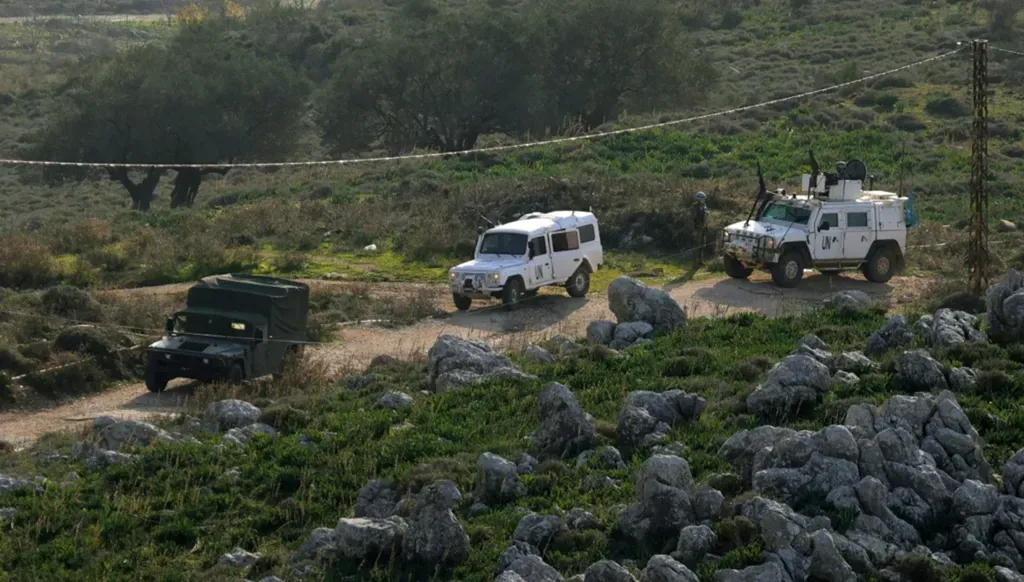
Despite the Lebanese being accustomed to seeing the ambassadors of the five-member group in Beirut, which includes the United States, France, Saudi Arabia, Egypt, and Qatar, this smaller diplomatic framework symbolized the time of presidential vacuum before the election of President Joseph Aoun. However, international sponsorship mechanisms shrank after what is called the special mechanism committee for implementing the ceasefire agreement between Lebanon (effectively "Hezbollah" and not Lebanon in general) and Israel became the movement's facade, dominated by Israel's overwhelming operational and field "rhythm".
The return of the group of five should be examined not only for the significance and implications regarding international sponsorship resuscitation and expansion beyond the Lebanese-Israeli field, even though that "mechanism" has become a mix of civilians and military personnel, but perhaps what warrants inspecting the resuscitation of the group of five is the moment, or more specifically, the regional timing of this movement.
The executive authority, represented specifically by the Presidents of the Republic and the Government, must once again grasp the crucial importance of the opportunity to "pull" Lebanon with calmness and determination from beneath the "hooves of horses" in a dangerous scenario warned by events in Iran, whether a U.S. strike and internal revolution would overthrow the regime of the mullahs with its seven lives or it survives and evades the deadly blow.
This diplomatic movement of the five can open the wide door for broader investment towards working by all available means to neutralize Lebanon from the repercussions of the Iranian event, which seems to have as a "side benefit" the establishment of a ceasefire at the Lebanese-Israeli borders and a waiting period that Lebanon hopes to utilize in different directions.
There is a need first for an extraordinary acceleration of the inauguration of the second phase of the exclusive weapon plan in North Litani, as this will be the best way to welcome an international conference prepared to support the Lebanese army and convince countries of the benefit of support and its expansion.
Furthermore, activating Lebanese-international communication mechanisms to revive negotiations between Lebanon and Israel and expanding and deepening them within the mechanism committee is essential, driven by a dangerous regional circumstance but a real opportunity to reach a settlement that will inevitably be unavoidable no matter how long it takes. The most important and prominent aspect of approaching this opportunity is firmly handling the obsolete language with which "Hezbollah" confronts the general authority and other Lebanese, proving it is on one side and the rest of Lebanon on the opposing side. The excessive recklessness in the party's return to intimidation with a scarecrow that no longer frightens anyone, the alleged civil war scarecrow, indicates the culmination of narrow-mindedness after the indignation sparked by the President's recent remarks about the party's weapons becoming a worthless burden. It's no exaggeration to conclude that the party was wary of President Aoun's remarks, reflecting a unity of position and language between him and Prime Minister Nawaf Salam, more so than the words of foreign minister Joseph Raggi. However, these waves of anger and indignation revealed the party's real isolation within and outside the authority, unable to review or reconsider as the "mother republic" in Tehran struggles with its dire fate.
Disclaimer: The opinions expressed by the writers are their own and do not necessarily represent the views of Annahar