US researchers debate governance challenges facing Syria’s new leadership


شارك على
 مسنجر
مسنجر
 واتساب
 ثريدز
ثريدز
 بريد إلكتروني
 الطباعة
شارك على


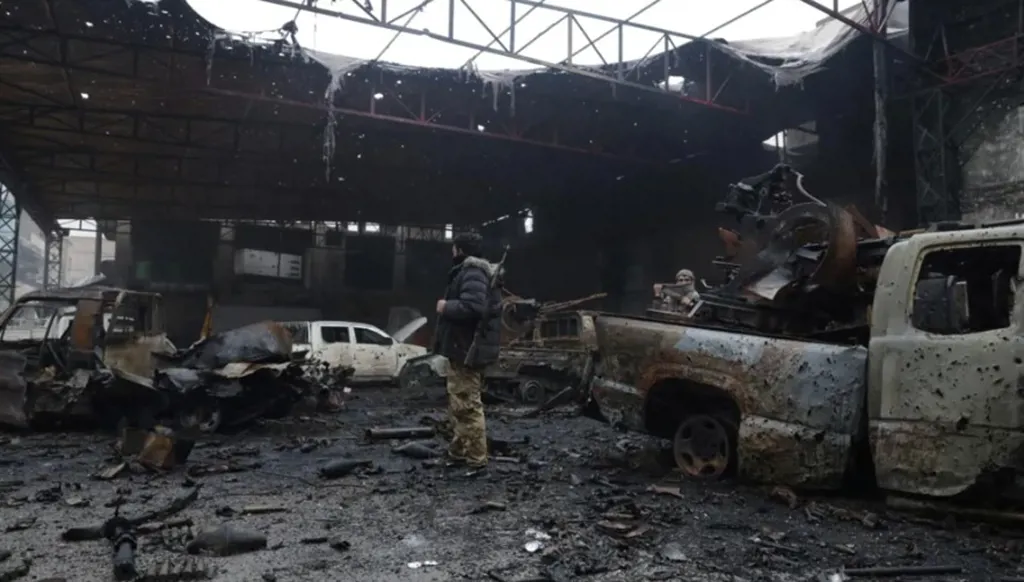


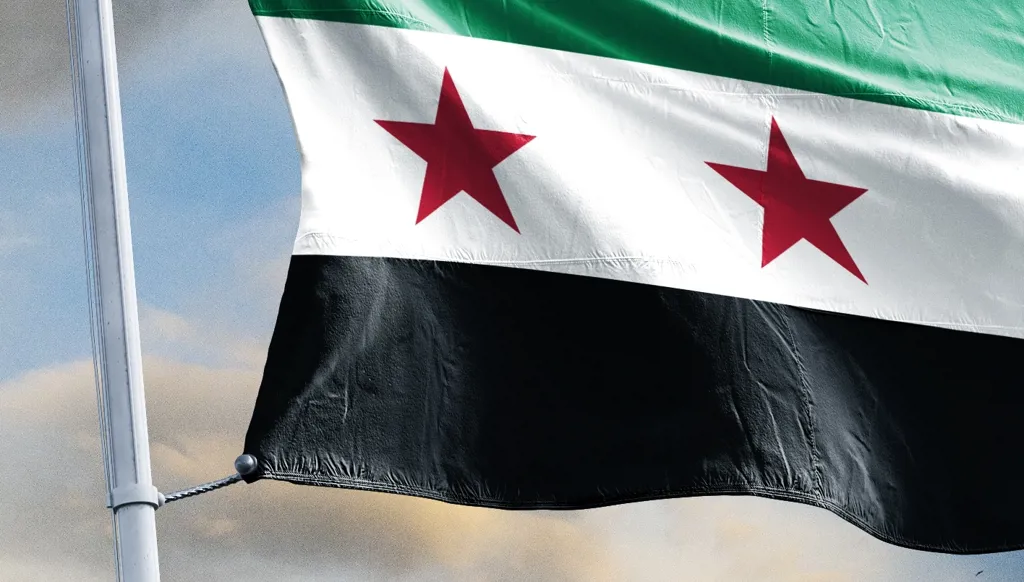
More than a year after the fall of President Bashar al-Assad and his regime, American researchers have begun debating how the successor government, led by President Ahmad Al-Sharaa, is handling the complex, dangerous, and wide-ranging challenges of governance.
Among them are two prominent figures: Aaron Zelin, author of a study titled “Institutions and Governance in the New Syria: Continuity and Change from the Idlib Model,” and James Jeffrey, the former U.S. special envoy to Syria and former ambassador to Turkey and Iraq.
Zelin said that as the United States moves closer to lifting Caesar Act sanctions to ease pressure on Syria, the transitional government’s second year should focus on institution-building and government development. Despite progress, he warned of concerns over the emergence of a shadow government and an informal economic network resembling the model once run by President Ahmad Al-Sharaa’s former group, Hayat Tahrir al-Sham, in Idlib.
He noted that the government’s opaque economic system and the concentration of decision-making within the Political Affairs Secretariat at the Foreign Ministry have hindered transparency and increased corruption risks. While the government has made progress in rebuilding roads, removing excessive checkpoints left by the former regime, and repairing water pipelines and infrastructure, many Syrians have still been forced to rely on personal efforts to restore damaged property - exposing gaps in the national reconstruction policy.
Zelin added that despite efforts to improve transparency in reconstruction funding, the government still lacks strong accountability mechanisms. Another major challenge is ensuring transparency in transitional justice after a devastating civil war and decades of abuses under Assad.
As the new government enters its second year, Zelin said priority should be given to expanding institutional capacity and minimizing corruption. Damascus, he argued, must empower lower-level officials instead of micromanaging their work. This would improve governance and make local communities feel they are part of the system.
With further sanctions expected to be lifted in the coming months, new cash inflows will test the government’s ability to avoid corruption, making financial transparency more important than ever. In this context, the United States could provide technical assistance requested by Damascus, particularly to help the Syrian Central Bank combat institutional corruption.
If complications arise in the partnership, Washington should not resort to Assad-era sanctions but should instead design new tools for a new Syria. U.S. officials should encourage the government’s development and give it a chance to prove its commitments at home and abroad.
What did James Jeffrey say about the new Syria?
Jeffrey said that after Iran’s regional influence declined, Syria’s stability has become the most important issue facing the Middle East. As demonstrated under Assad, continued instability could expand international terrorism threats, increase Captagon drug trafficking, and invite major foreign intervention in Syrian affairs.
This must not be repeated, he said. The United States will play a decisive role in helping Damascus steer its internal and foreign policy toward stability. In the second year of the transition, key benchmarks of progress include reaching a security agreement with Israel, integrating the Kurdish-led Syrian Democratic Forces into the national army, expanding efforts against ISIS, and ending sectarian violence.
To achieve this, Washington should lead the international community in supporting the Syrian government’s efforts to assert authority over all ethnic and religious groups. This requires coordination with Turkey, Israel, and major Arab states, and engaging the new government with one unified voice.
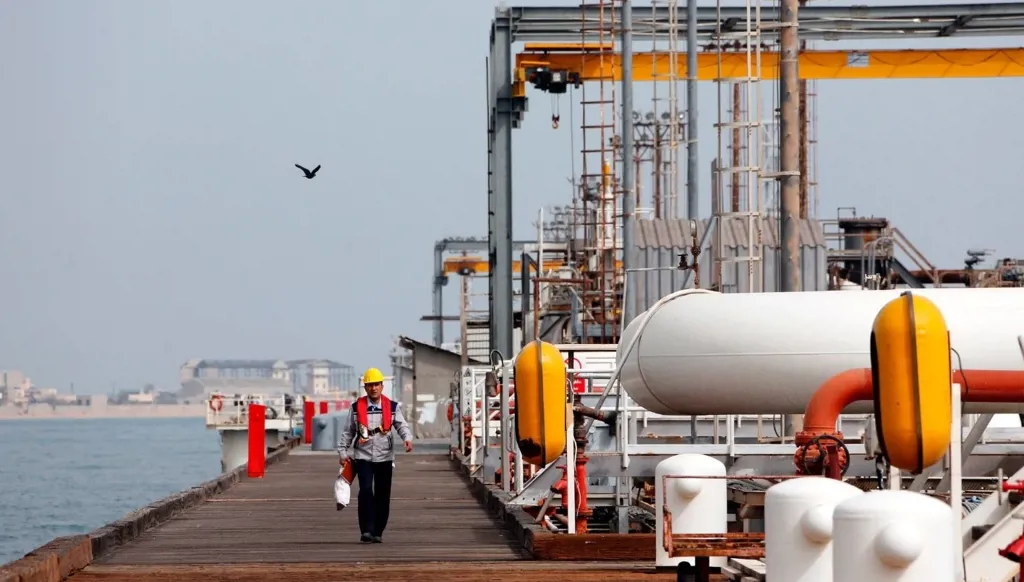
Assisting Damascus in local and national governance is crucial to encourage minority integration. But Syria must also recognize state sovereignty by relinquishing control over border crossings and oil exports.
Jeffrey added that the United States achieved major diplomatic successes in Syria over the past year, but these must now be institutionalized with international partners. He called for forming a Syria Contact Group of European and Arab states and providing technical support to Syria’s oil and banking sectors.
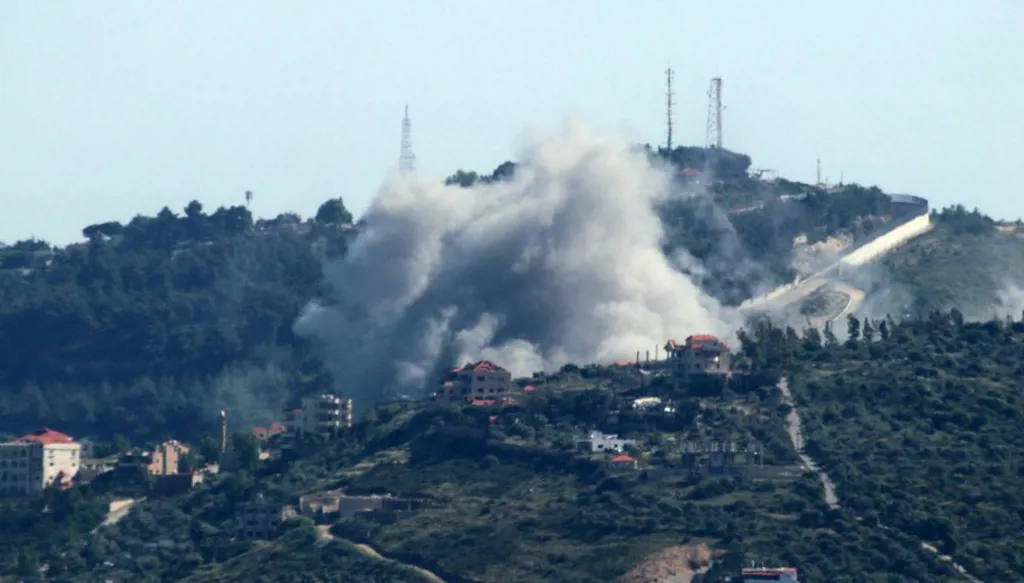
As U.S.–Syrian relations deepen in the second year, Israel will need to clarify its strategy in Syria. So far, its military operations and strikes on Damascus have not aligned with its stated political goals of securing borders, preventing Hezbollah’s return, and maintaining access to Syrian airspace.
Nevertheless, despite growing interests in Syria, Israel and Turkey are unlikely to clash, preferring stability and sharing concerns over terrorism and Iranian proxy forces.
Disclaimer: The opinions expressed by the writers are their own and do not necessarily represent the views of Annahar
العلامات الدالة
الأكثر قراءة