

Trump’s new world order: From Venezuela to Greenland, the return of power politics


 Messenger
 Whatsapp
 Threads
 Email
Email
 Print
Print
 X
X
 Facebook


From Venezuela to Greenland and Iran, President Donald Trump’s administration has ushered in a year of unconventional decisions that threaten to reshape the rules of international politics and potentially bring to an end more than a century of transatlantic strategic alliance between the United States and Europe.
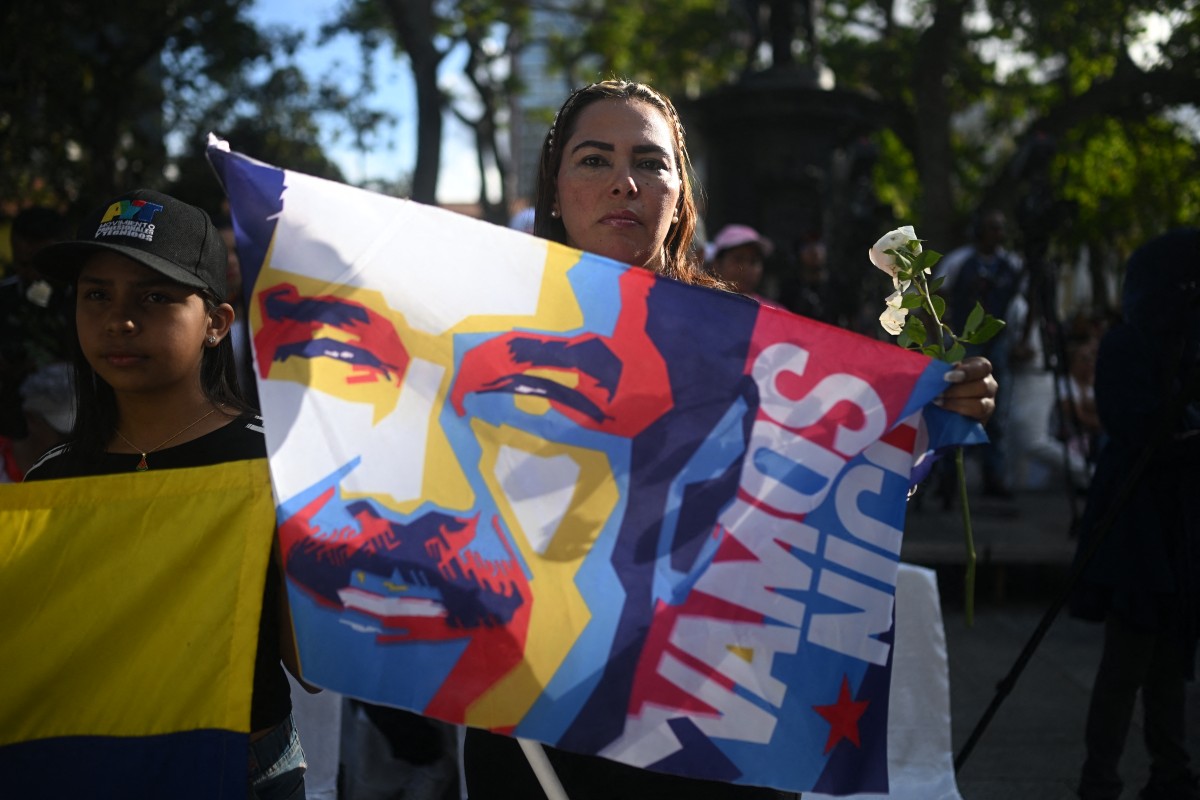
The abduction of the Venezuelan president and his wife from the presidential palace in Caracas, the imposition of a state blockade, and the seizure of the country’s oil wealth signal a troubling return to colonial-era practices. These actions are no less dangerous than Trump’s stated intentions to acquire Greenland - whether through a lavish financial offer to Denmark or, if necessary, by military means. The last territorial purchase involving both land and its inhabitants took place in 1917, when the United States acquired the West Indies - now known as the U.S. Virgin Islands - from Denmark. This occurred prior to U.S. President Woodrow Wilson’s 1918 speech affirming the right of peoples to self-determination, a principle that was later enshrined in the United Nations Charter in 1945 and became a cornerstone in the global movement toward decolonization.
Under the banner of “America First,” U.S.-European relations are experiencing their most severe strain since World War I. The rift between President Trump and European leaders has widened over key strategic issues, including the war in Ukraine, trade disputes, and more recently, the question of Greenland. The Trump administration has also rejected the liberal and progressive values prevalent in many European societies, viewing them as increasingly detached from what it considers the West’s traditional principles. Trump has repeatedly asserted that "our closest allies might be our worst enemies." In response, European countries are significantly increasing their defense budgets and coordinating plans with one another based on the possibility of a breakdown in the military alliance with the United States. This shift reflects a growing belief that the European Union must be prepared to rely on its own capabilities in the face of persistent Russian threats. In recent months, several European states have canceled defense contracts with American firms in favor of European companies, aiming to strengthen domestic industrial and technological capacities and reduce reliance on the U.S. defense industry as a precautionary measure.
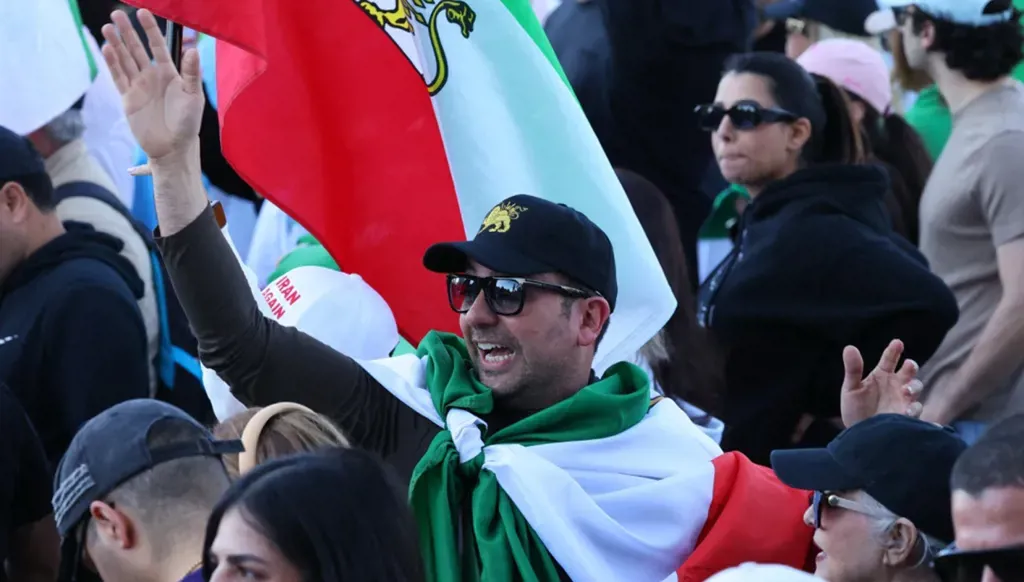
Attention has now shifted to Iran, where cities across the country are witnessing large-scale popular uprisings that continue to gain momentum by the day. The U.S. president has threatened military action against the Iranian regime should it attempt to suppress the protesters through lethal force. Meanwhile, an American military buildup is already underway in the region, signaling preparations for potential action.
At the same time, Israeli media have reported concerns over possible Iranian missile attacks, which could be used to justify preemptive strikes by Tel Aviv. Based on leaks and reports circulating in Washington and Tel Aviv, it appears that a decision to topple the Iranian regime may already have been made, leaving the region waiting for the moment of execution. What remains unclear is whether Washington has a comprehensive plan for regime change and governance afterward - possibly restoring the monarchy - or whether it intends only to remove the regime’s leadership, as occurred in Venezuela, allowing the republic to persist without the position of supreme leader. With the Trump administration, anything remains possible, given its highly pragmatic approach to pursuing its strategic interests.
Whatever course Washington chooses will inevitably be replicated by other major powers, and its consequences will not be confined to the borders of China and Russia. Practices such as abducting leaders of hostile states, overthrowing regimes, and annexing the territories of other nations - even beyond immediate spheres of influence - are becoming entrenched as features of a new world order. This order is defined by intensified competition over raw materials, critical minerals, energy resources, artificial intelligence technologies, and control of global supply chains. Actions initiated by the Trump administration will not be easily undone by future U.S. governments, as they risk triggering a chain reaction with far-reaching consequences. Permanent members of the UN Security Council are likely to increasingly violate the UN Charter, eroding the international norms and legal frameworks that have been built over the past century.
Small and medium-sized powers, particularly in the Arab world, must reassess their defense policies and national security strategies in light of their rich critical mineral resources, vast energy reserves, and strategic positions along key supply-chain routes. States plagued by conflict and fragmentation will become easy targets for major powers in what increasingly resembles a new colonial era. Historically, the emergence of new international systems has been marked by widespread chaos and war, followed by periods of peace and growth - a cycle the world may be poised to experience once again, this time amplified by artificial intelligence, which could make conflicts faster and more lethal.
Disclaimer: The opinions expressed by the writers are their own and do not necessarily represent the views of Annahar.