A new war in Lebanon is inevitable without dismantling Hezbollah’s power


شارك على
 مسنجر
مسنجر
 واتساب
 ثريدز
ثريدز
 بريد إلكتروني
 الطباعة
شارك على


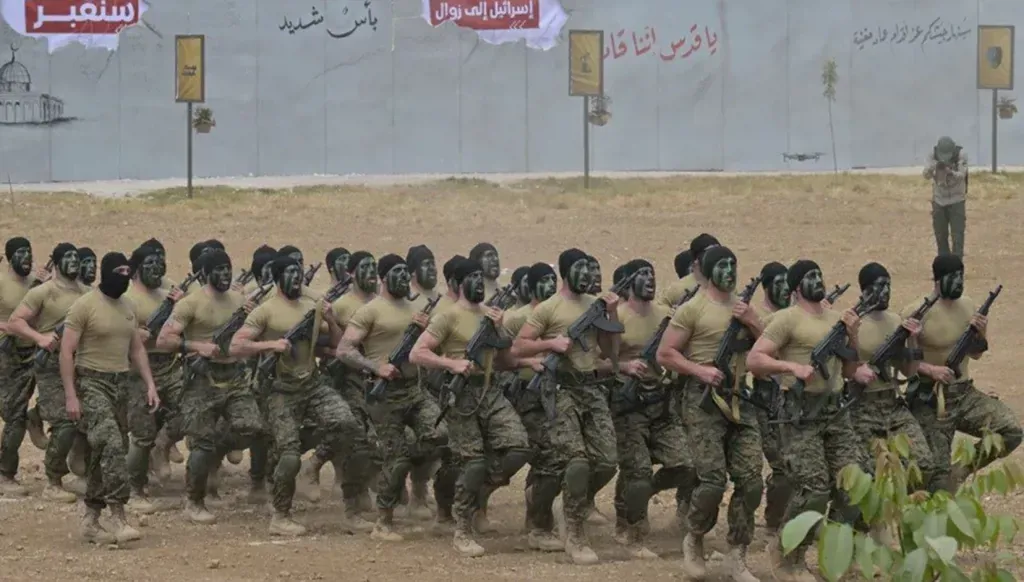


Washington and its allies expect Beirut to face a harsh but inevitable reality: the war will resume unless serious steps are taken to dismantle the pillars of Hezbollah’s power, to strengthen political alternatives within the Shiite community (i.e., other Shiite political actors), and to achieve the essential condition for any real ceasefire, which is disarmament.
What are Hezbollah’s goals and priorities at the moment? In the view of U.S. research institutions, the primary goal is survival. To do so, it needs to maintain four pillars of local power in order to rebuild its capabilities against Israel.
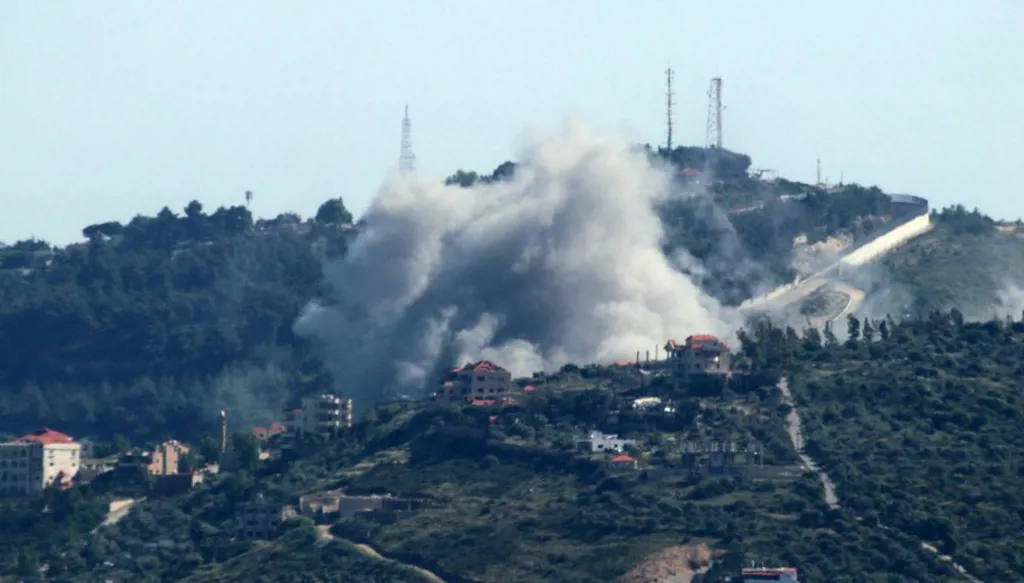
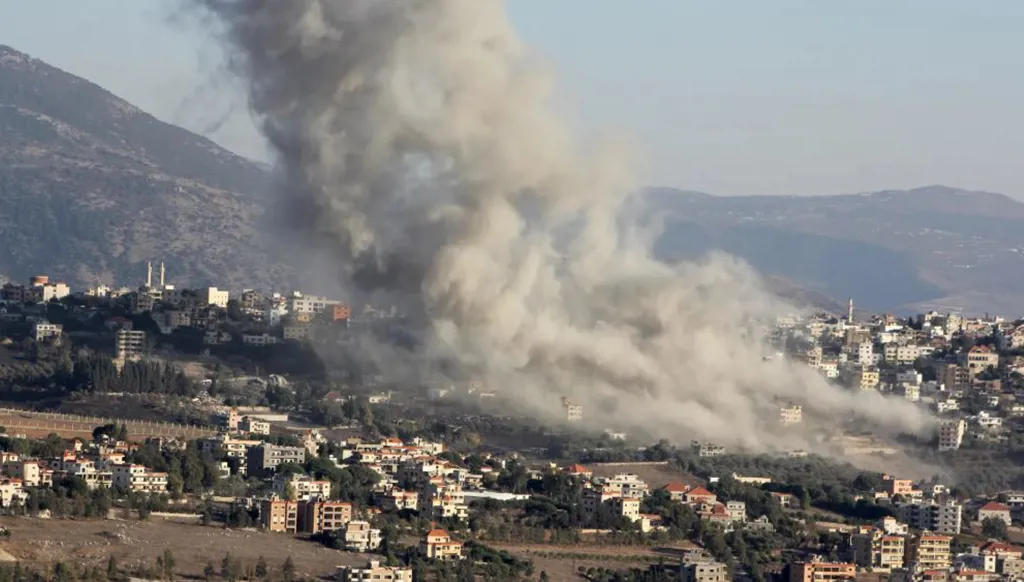
The first pillar is military. During the war, the party lost thousands of fighters, much of its military arsenal, infrastructure, and a significant portion of its leadership structure. Even as it replaced prominent figures, Israel continued to target it, keeping its leadership in a state of disarray and repeatedly reminding it of Israel’s deep intelligence penetration. According to sources close to Hezbollah’s military leadership, it has focused on producing low-cost weapons domestically, and on importing materials and building drones under the supervision of Iran’s Islamic Revolutionary Guard Corps (IRGC), which is directing the reconstruction of Hezbollah and its leadership structure.
The second pillar is financial. According to U.S. officials, Iran has injected around one billion dollars into Hezbollah since the end of the war. Although this amount resembles its usual annual budget, current expenditures are significantly higher due to the need to rebuild its arsenal, pay compensation to fighters, families, and supporters, and recruit and train new fighters.
Reconstruction costs for destroyed buildings and compensation within the Shiite community alone are estimated at more than $11 billion.
The third pillar is political. Although Hezbollah lost the “blocking third” in Lebanon’s current government, it managed earlier this year to secure appointments in security and financial institutions with the help of its main ally, the head of the Amal Movement and Speaker of Parliament, Nabih Berri. Hezbollah’s main priority now is to secure the 27 Shiite seats in the parliamentary elections scheduled for next May, as that guarantees the ability to name the next speaker of parliament and have a say in forming the government.
The fourth pillar is Shiite. Hezbollah does not need global Shiite support to achieve its political goals; it only needs to ensure that the silent Shiite majority will not vote against it, and that any alternative Shiite political actors remain weak and threatened. Hezbollah’s insistence on keeping its weapons is essential to achieving these goals, as it relies, along with its Shiite partner Berri, on intimidation. Ultimately, the Shiite community is the only means for Hezbollah’s long-term survival, and therefore it will not abandon it easily.
What political directions does the U.S. research community itself view as necessary to target the above-mentioned pillars, prevent Hezbollah from rebuilding itself, and eliminate the threat to Israel that it can no longer tolerate? Washington must work on two tracks to save the ceasefire agreement and prevent another war.
The immediate track is disarming Hezbollah, and the longer-term track is establishing the conditions for peace between Israel and Lebanon. This approach must include the following measures:
-The U.S. Central Command (CENTCOM) should continue to maintain the ceasefire implementation mechanism and apply further political pressure on the Lebanese government to meet its commitments. Specifically, Beirut must clarify that private property can no longer be used to shield Hezbollah’s military activity. The Lebanese Armed Forces (LAF) must be instructed to search every part of Lebanon and disarm it. Beirut must also provide a clear timeline for complete disarmament and implement it accordingly.
-Ensuring that the Lebanese Armed Forces receive additional U.S. assistance once the disarmament process advances. This is partly to create clarity around the process and to incentivize LAF units to accept the risks required to confront Hezbollah. In this context, benchmarks can be set for dispatching specific U.S. assistance if certain sectors are cleared of Hezbollah weapons by specific dates. And if the Lebanese Armed Forces do not expand their efforts north of the Litani River, Washington must be prepared to suspend its assistance entirely.
There was no need to wait until the end of the year to confirm the seriousness of the Lebanese Armed Forces on this front and to use the current ceasefire mechanism. Washington must ask the Lebanese army to seize at least one Hezbollah military facility north of the Litani now.
-Preventing the smuggling of weapons into Lebanon by sea, land, or air, including transfers across the border with Syria. Demarcating the Lebanese–Syrian border and strengthening cooperation between the two neighbors could greatly help, as could encouraging Damascus to declare the Shebaa Farms Syrian territory, thereby depriving Hezbollah of its narrative based on “resistance against Israeli occupation” of those supposed Lebanese lands.
-Passing additional U.S. sanctions at the right time. This measure may be useful given Hezbollah’s likely focus on addressing its financial crisis after the war in the coming months. Washington should consider imposing sanctions on individuals for engaging in corruption or protecting Hezbollah, including senior figures in the Amal Movement and even members of Speaker Nabih Berri’s own family. The latter measure is fully justified under the U.S. Treasury’s Global Magnitsky Authority, since Berri has made it clear that he will stand by the U.S.-designated terrorist organization in every case.
-Targeting Hezbollah’s strength in the next parliament. This includes boosting and protecting Shiite competitors to Hezbollah and Amal, in addition to helping the government establish large polling centers to allow displaced Shiites to participate in the upcoming elections without fear of Hezbollah intimidation.
-Freezing the implementation of Lebanon’s anti-normalization laws with Israel and sanctioning any official who attempts to enforce them.
-Arrange American-sponsored negotiations between Lebanon and Israel, beginning with security arrangements.
-Launching Trump’s proposal for full peace between Lebanon and Israel, including the disarmament of all non-state armed actors. This could offer a strategic alternative to war and to Hezbollah’s pattern of behaving as the country’s protector.
-Expressing U.S. support for an Israeli military option to destroy Hezbollah’s remaining military capabilities if other channels fail, if the current stalemate proves unsolvable, and if time runs out.
Disclaimer: The opinions expressed by the writers are their own and do not necessarily represent the views of Annahar
العلامات الدالة
الأكثر قراءة