ISIS revival and U.S. strikes: A message to Tehran, Hezbollah, and beyond


شارك على
 مسنجر
مسنجر
 واتساب
 ثريدز
ثريدز
 بريد إلكتروني
 الطباعة
شارك على




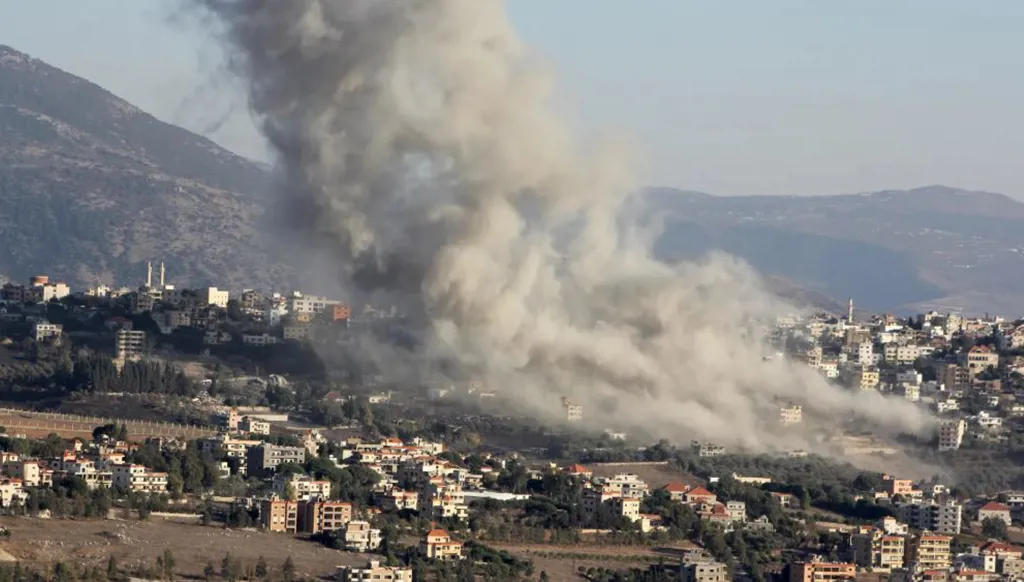
On Saturday, December 20, the U.S. military launched extensive airstrikes against the Islamic State (ISIS) in retaliation for a deadly attack in Palmyra on December 13. The attack, carried out by an ISIS operative, killed two U.S. soldiers and an American civilian.
The operation, named “Falcon Eye” by the U.S. Department of War, involved the use of more than 100 precision-guided munitions targeting ISIS command centers, weapons depots, and infrastructure in central Syria.
According to military sources, the operation could continue for several weeks.
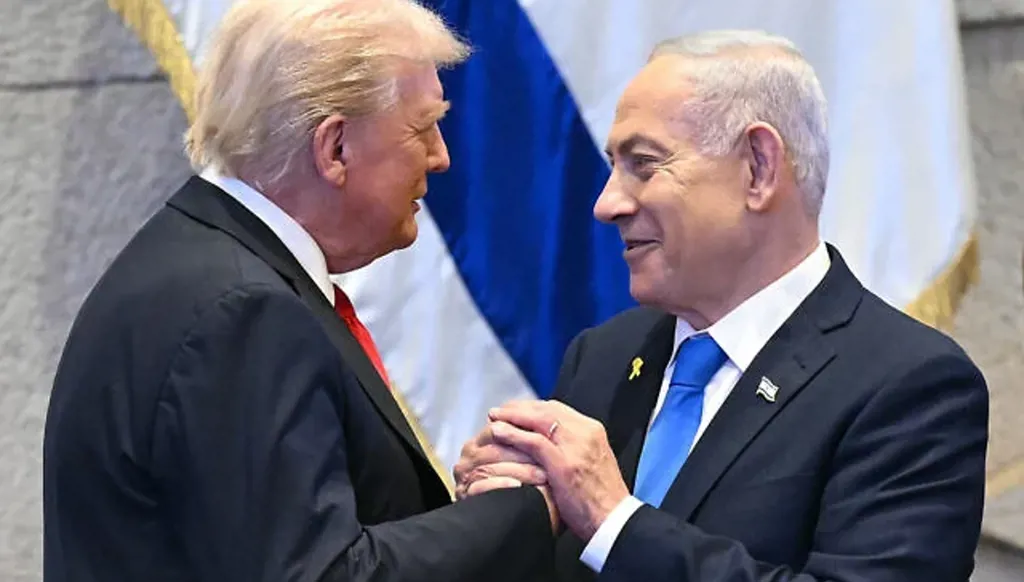
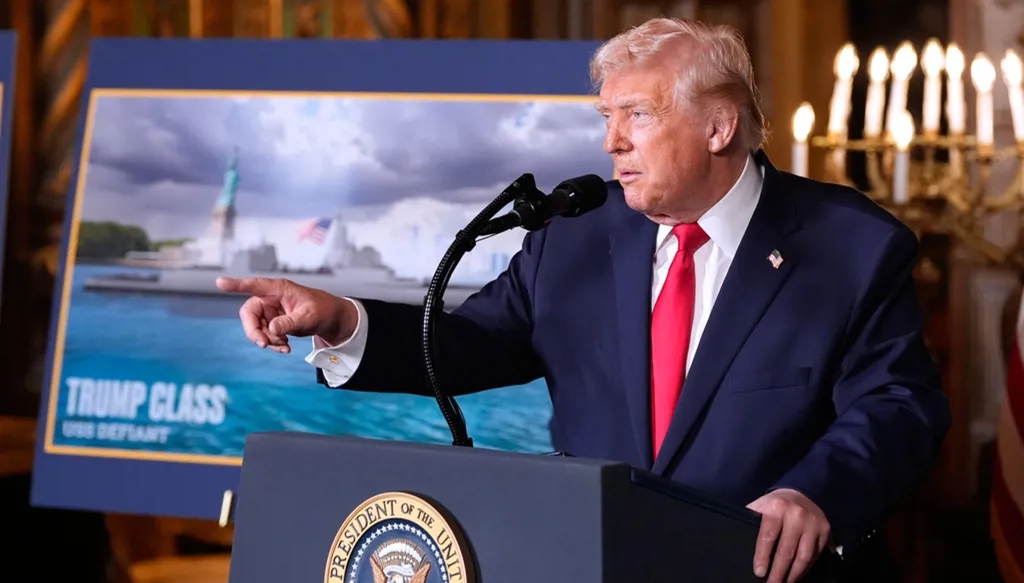
After the strikes, U.S. President Donald Trump stated, "I ordered a massive strike on the terrorists that killed our three great patriots last week. It was very successful, very precision. We hit every site flawlessly and we are restoring peace through strength."
Meanwhile, his Secretary of Defense, Pete Hegseth, said, "This is not the beginning of a war; it is a declaration of vengeance. Today, we hunted and we killed our enemies. And we will continue."
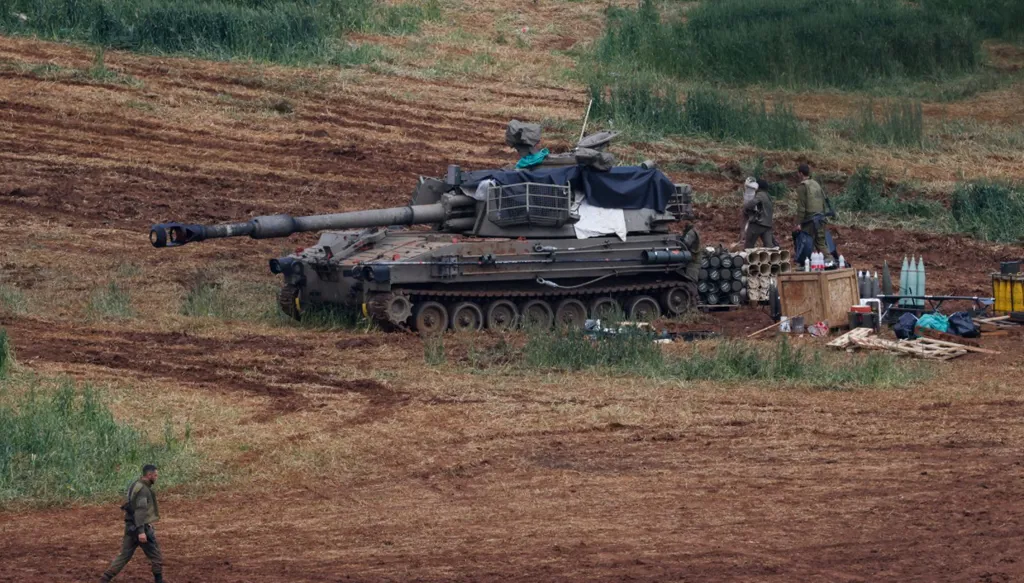
The strategy behind the U.S. strikes can be inferred from statements by both Trump and Secretary Pete, which point to broader objectives underpinning Washington’s expanding military presence in the Middle East. In recent years - particularly following the events of October 7, 2023, and amid escalating tensions with Iran - the United States has deployed aircraft carriers and additional forces to the region to reinforce deterrence, safeguard U.S. interests, and ensure Israel’s security. These deployments have included carrier strike groups led by the USS Gerald R. Ford, USS Dwight D. Eisenhower, and USS Nimitz, as well as long-range bombers, significantly enhancing American military capabilities in the region.
Undoubtedly, the U.S. military strikes were partly intended as retaliation for the American soldiers killed by the group. More significantly, however, President Trump’s emphasis on his “peace through strength” doctrine invites skepticism about the sequence of events between the soldiers’ deaths and the launch of the strikes. Washington has long led a global coalition in Syria and Iraq aimed at defeating ISIS, despite Trump’s 2019 declaration of the group’s defeat - an announcement widely viewed as politically motivated rather than grounded in operational reality.
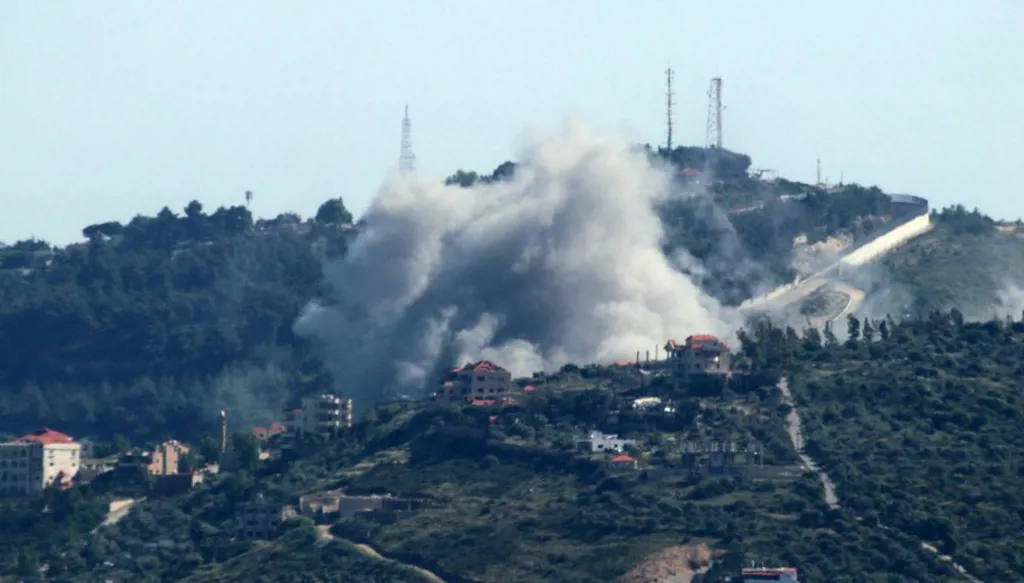
At this stage, the term “on-demand” may best describe how the U.S. administration views the group, insofar as reviving it and reactivating its role serves Washington’s broader peace strategy. The message conveyed by the strikes may not have been directed primarily at ISIS leaders or fighters themselves, but rather at any actor perceived as an obstacle to Trump’s anticipated peace initiative - from the regime in Tehran to Hezbollah in Lebanon, which awaits a “zero hour” that Trump is expected to set for Israel amid the group’s refusal to relinquish its weapons.
The pursuit of peace is not solely tied to Iran and its allies; the strikes may also send a message to the Syrian regime and its Turkish backers. The U.S. vision of peace prioritizes safeguarding Washington’s interests rather than addressing the needs of local populations.
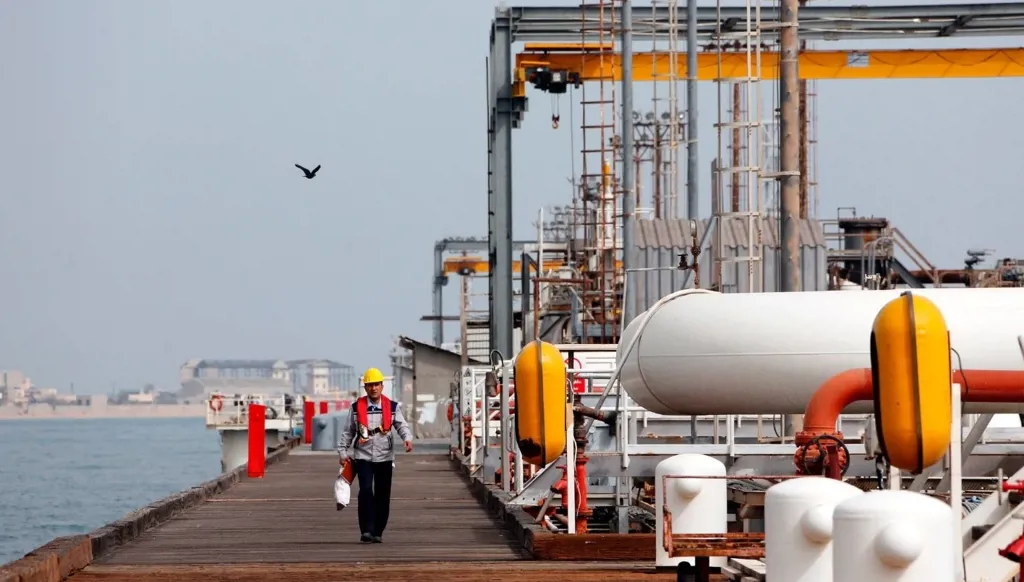
For example, the coordinated effort to transport liquefied natural gas (LNG) to Europe - linking Israel, Egypt, Cyprus, and Greece, with potential Lebanese involvement - largely disregards Turkish interests. In this context, the estimated $35 billion Egypt-Israel gas deal can be seen as a “starting signal” to pave the way, while the strikes against ISIS may serve as a “warning signal” to anyone who might obstruct the plan.
There is no doubt that the region is undergoing a complex effort to redraw strategic maps, redefine alliances, and shape the agenda for the next phase. The U.S. has become increasingly involved in this process, even taking bold steps to secure deals with international actors, giving rise to what has been called the “Ukraine for Syria and Venezuela” equation.
Nothing is certain yet, but U.S. planning continues, and its execution is moving forward—not only in Syria but also in Iraq. Weakening Iranian influence is expected to rely on the formation of a new Iraqi government that avoids repeating the missteps of Mohammed Shia Al-Sudani’s administration. That government had issued a list from the Central Bank naming Hezbollah and Yemen’s Houthi movement as terrorist organizations, only to later retract it, citing the need to correct confusion.
The U.S. may have revitalized ISIS and reactivated its operations as a message to Iraq, signaling a reconsideration of the agreement for withdrawing international and U.S. forces, which is set to conclude in summer 2026. The resurgence of ISIS underscores the continued need for U.S.-Iraqi presence and coordination. However, Iraq appears to have asserted its independence, with the Iraqi Joint Operations Command stating that “the Iraqi airborne operation in Syria is unrelated to the U.S. strike on ISIS, and the operation sites are different.” This statement distances Iraq from any notion of pre-coordination with the U.S. and may also signal Iraq's confidence in its ability to secure its territory against anticipated attacks by the group.
With Iraq pressing for the repositioning of U.S. forces in Mesopotamia and Ahmed Al-Sharaa’s government showing a willingness to cooperate with Türkiye, ISIS’s resurgence came at a convenient moment for the American agenda. This prompted the large-scale military strikes aimed at sending a clear message. But will these measures achieve their intended goals, or will the region’s complex realities—where Washington struggles to manage both local and global challenges—make success difficult and the process extended?
Disclaimer: The opinions expressed by the writers are their own and do not necessarily represent the views of Annahar.
العلامات الدالة
الأكثر قراءة