Lebanon and the 'Final Week' Bargain!


شارك على
 مسنجر
مسنجر
 واتساب
 ثريدز
ثريدز
 بريد إلكتروني
 الطباعة
شارك على




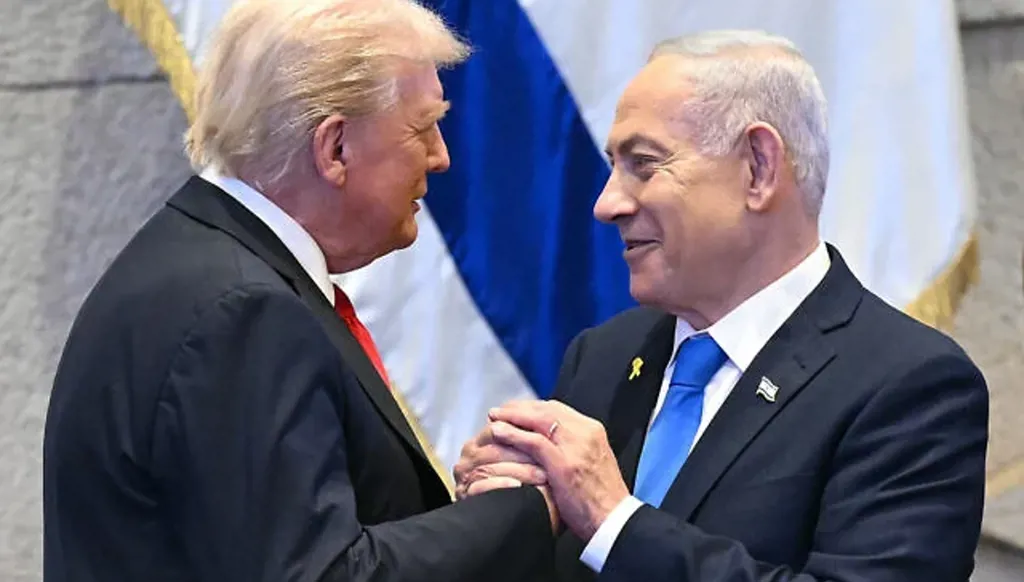
All eyes are on the last two days of the current year's final week, as it is expected that U.S. President Donald Trump will meet Israeli Prime Minister Benjamin Netanyahu in Florida to discuss the issues of Gaza, Syria, Iran, and Lebanon.
Nothing will be left to chance!
Trump's priorities are well-known: Gaza, Syria, and the West Bank.
The compensation Netanyahu demands in exchange for responding to Trump's priorities is also well-known: Hezbollah and Iran!
Trump promised to prevent Israel from annexing the West Bank and to confront settler gangs who attack Palestinians.
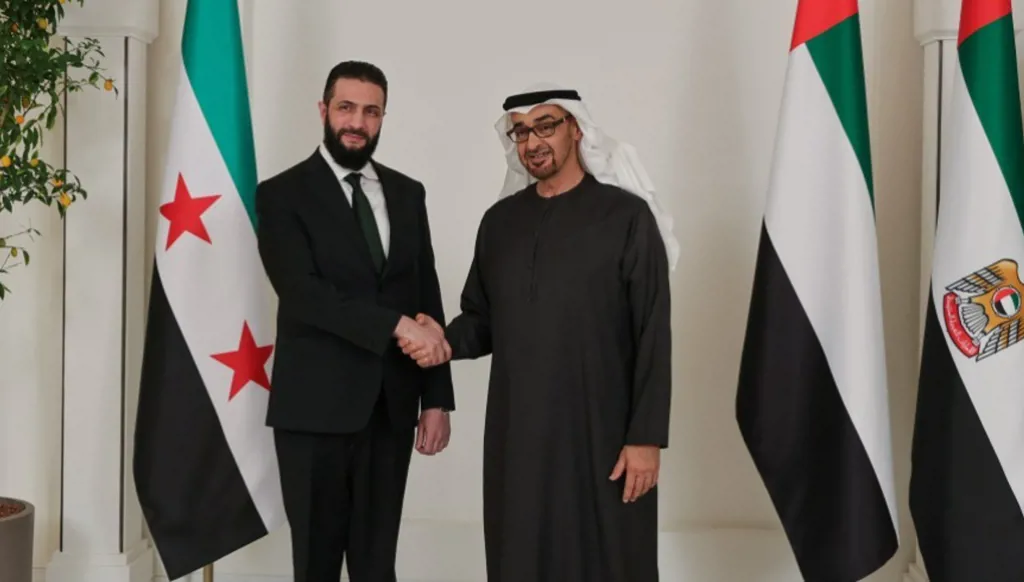
Trump has commitments toward Syria, having lifted all previous sanctions and formed a military "alliance" with its president, Ahmed Shar'. The U.S. president touted himself as a "peace-maker" by presenting a plan to end the war in Gaza. Conversely, Trump kept Lebanon and Iran under the guillotine of the "peace vision," not ruling out the possibility of striking them severely, should Hezbollah insist on its prohibited armament, and should Iran refuse to abandon its nuclear and missile program!
Here, Netanyahu maneuvers in the months separating him from a pivotal date in his political life: elections scheduled in November or moved forward to June if pressure to do so early succeeds.
Netanyahu's focus is on two files uniting Israel across its popular, military, and political spectrums: Iran's program and Hezbollah's arsenal!
There are assertions in both Israel and the United States that Netanyahu is going for a trade-off with his American friend, who is adept at this approach: every concession in the files Trump deems priorities requires a counterpart in Lebanon and Iran.
Indeed, Netanyahu is remarkably preparing these files!
Recently, the "Iranian threat" issue has once again taken center stage, starting with attempts to link Iran to an attack on a Jewish Hanukkah celebration at Bondi Beach in Sydney, Australia, along with other operations that targeted or attempted to target Jews worldwide, and including, of course, cyberattacks attributed to the Islamic Republic.
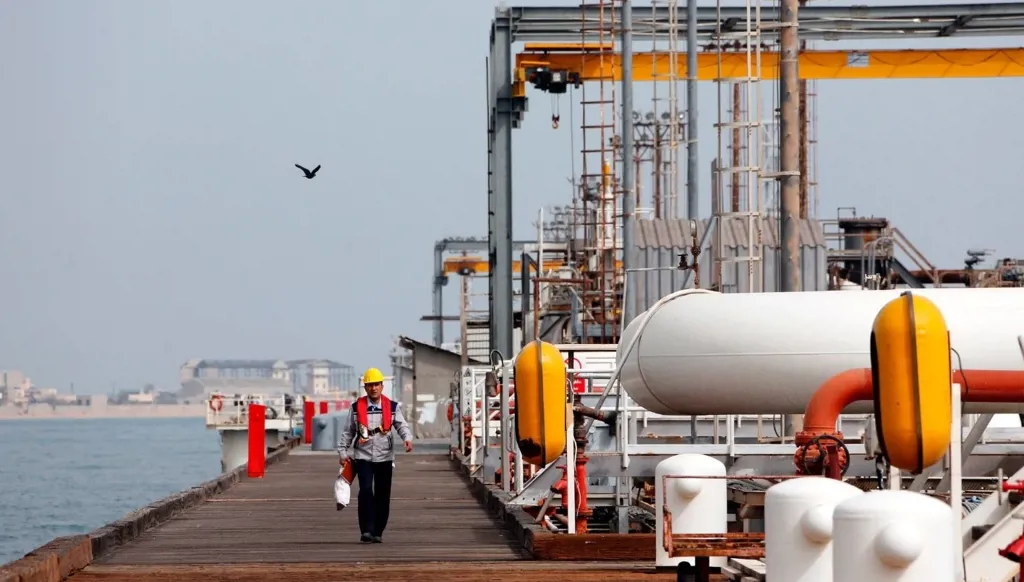
To that end, there is no solution possible for Israel but to either align with the U.S. administration or agree to resume the war which lasted 12 days, before Iran could brace itself with new missiles and advanced air defenses, mend its agreements with Russia and China, and reactivate its "arms" in Iraq and Lebanon, along with Yemen's Houthis.
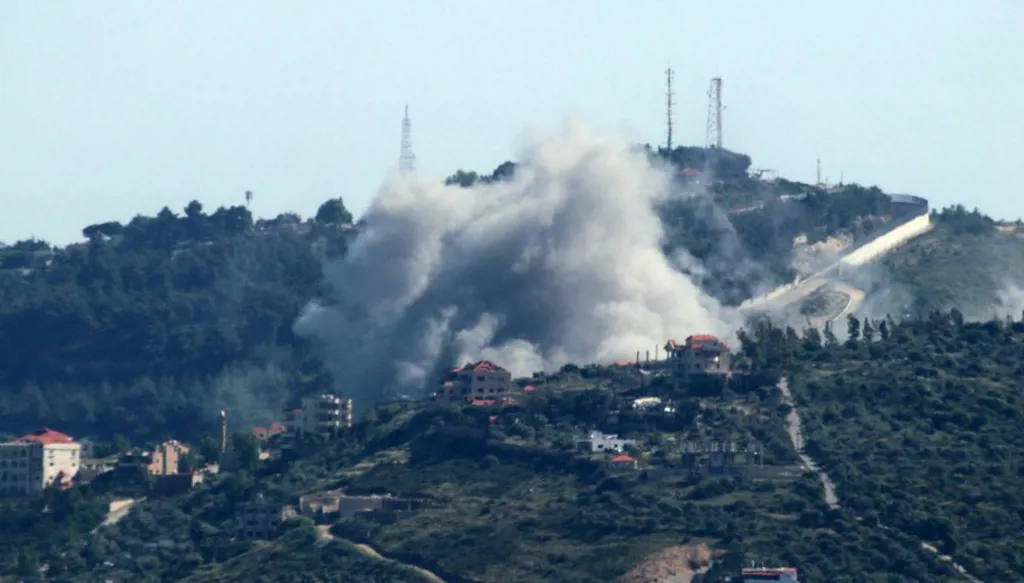
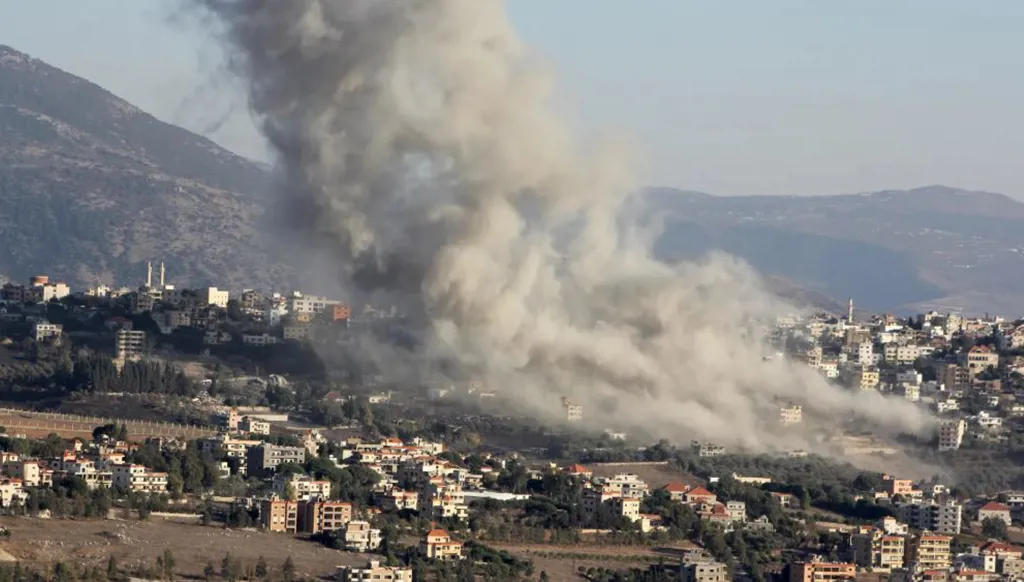
Concerning Lebanon, the inability of the Lebanese government to fulfill its commitment to disarm Hezbollah and other organizations by the end of this year, stated on August 5, can be considered a green light to continue the war against the party, aiming to eliminate the remaining missiles and drones that still pose a threat to Israel's future security. Netanyahu argues that a broad military operation would overcome obstacles still hindering the achievement of a "solid" agreement with Lebanon, allowing the Trump administration to realize its vision for Lebanon.
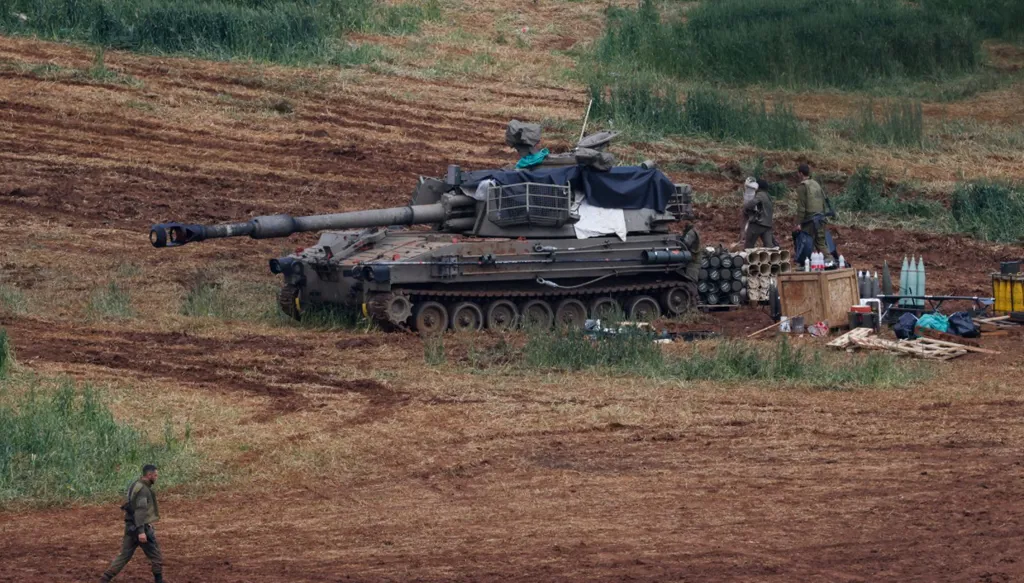
No one doubts that the Lebanon file has been excellently prepared in Israel: military plans are complete. Intelligence and army readiness has been achieved. The "target bank" has been updated.
Therefore, eyes are fixed on this meeting between Trump and Netanyahu to foresee upcoming events, amidst what resembles a consensus that Lebanon is the essential weak point, with everyone agreeing on the Lebanese authority's impotence in the face of Hezbollah's intentions!
العلامات الدالة
الأكثر قراءة