Lebanon rings out the year amid war clamor and political unrest


شارك على
 مسنجر
مسنجر
 واتساب
 ثريدز
ثريدز
 بريد إلكتروني
 الطباعة
شارك على


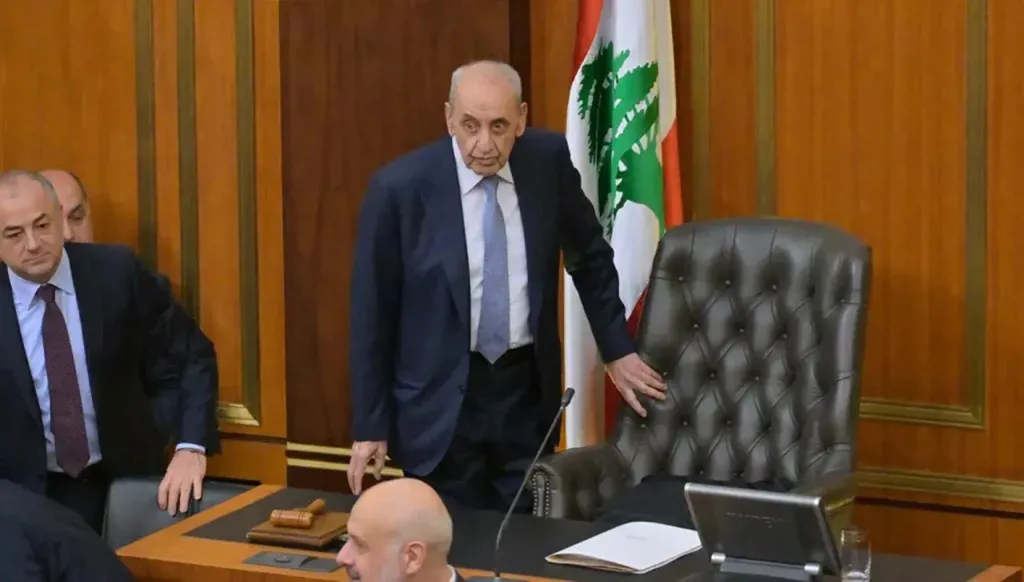


The circumstances surrounding the intense political clamor over the Lebanese Parliament’s legislative session—called by the Speaker, who has become the world’s longest-serving parliamentary speaker after 33 years in office and is expected to extend his record by another four years if the May elections proceed—highlight the deeply decayed state of Lebanese politics. Despite Lebanon’s repeated crises, this political system has undergone no meaningful change.
This reflects the deadlock in deep political reform and the total failure to separate political and national decisions from sectarian and denominational dominance, effectively crippling the democratic process. It leaves constitutional institutions vulnerable to the smallest minority whenever the rhetoric of sectarian representation or the sanctity of executive and legislative decisions is wielded as a weapon.
This dilemma has previously manifested in ways that undermined the constitutional system, particularly during repeated presidential vacancy crises. These crises were fueled by what has long been called the obstructionist axis, which has dominated Lebanon’s trajectory for more than two and a half decades through a lethal and pernicious alliance with the defunct Syrian Assad regime and Iran’s clerical regime.
Despite the shockwaves that rippled through Lebanon over the past year, a crisis tied to the upcoming parliamentary elections has resurfaced. As these elections represent a pivotal moment for defining Lebanon’s major political choices, the renewed crisis has once again exposed the country to internal fragmentation, which threatens to keep the electoral process captive to a long-standing legacy that continues to obstruct meaningful reform from reaching the Lebanese ballot box.
There is a rising concern that the Shiite bloc, represented by the Amal Movement and Hezbollah, could inflict an even more damaging blow to national and broader reform efforts than their previous armed actions or their role in past constitutional and institutional voids. This worry comes in the wake of Speaker Nabih Berri’s success in undermining the democratic process by blocking the approval of voting for hundreds of thousands of Lebanese expatriates living abroad.
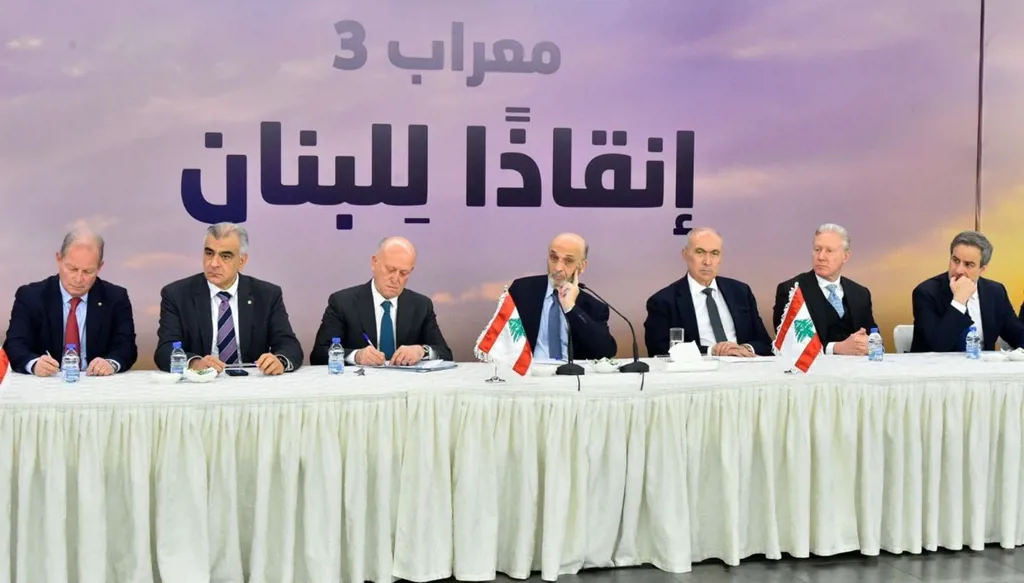
The impact of this challenge, which Berri openly touts as the spearhead of the minority duo against a broad parliamentary majority spanning all sects and denominations, did not end there. He also succeeded in enticing the duo’s opponents to resort to a tactic that the sovereign forces had consistently avoided: boycotting parliamentary sessions. As a result, quorum was repeatedly disrupted in an attempt to pressure Berri into complying with the majority’s demand to draft a government bill amending the electoral law. Yet, despite these efforts, Berri remained steadfast and unmoved.
The ongoing power struggle between Berri, the Shiite duo, and most other political forces—magnified by a last-session maneuver exploiting a legal quorum through the listing of key projects aimed at attracting deputies from marginalized development and social regions—threatens to deepen the crisis and widen divisions as the countdown to next year’s elections begins. These divisions are likely to be further intensified by the complexities surrounding Hezbollah’s disarmament, as the situation grows more perilous and Lebanon edges closer to the uncertainties of a potential Israeli strike—a scenario that multiple international diplomatic efforts have so far failed to prevent. As a result, the new year looms over Lebanon with a substantial and tangible risk of internal political chaos, dangerously mirroring the possibility of a renewed Israeli war erupting at any moment, coinciding with the climax of internal divisions.
Disclaimer: The opinions expressed by the writers are their own and do not necessarily represent the views of Annahar.
العلامات الدالة
الأكثر قراءة