

Opinion
11-12-2025 | 13:22
Zgharta: The fortress of northern heritage
In northern Lebanon, where mountains meet plains and the scent of olives drifts from every home, lies Zgharta. Its story has unfolded over centuries, shaped by the land, sustained by the work of its women, and passed down through generations. Zgharta is not just geography; it is an identity, defined by a deep connection to the land, independence, and enduring pride.


 Messenger
 Whatsapp
 Threads
 Email
Email
 Print
Print
 X
X
 Facebook
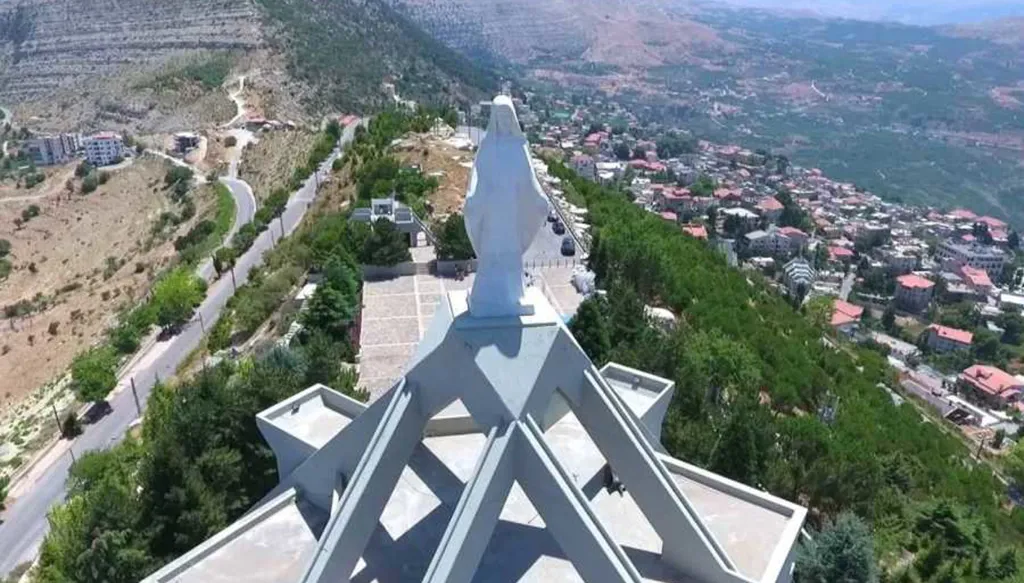
Zgharta (tony franjiyeh)


Lawyer Pedro Gebran
In northern Lebanon, where mountains meet plains and the scent of olives drifts from every home, lies Zgharta. Its story has unfolded over centuries, shaped by the land, sustained by the work of its women, and passed down through generations. Zgharta is not just geography; it is an identity, defined by a deep connection to the land, independence, and an enduring pride.For centuries, Zgharta has been a haven for its people. Its mountains have served as a natural fortress, its plains as a source of livelihood, and its olive trees as lasting symbols of peace and resilience. Yet what truly defines Zgharta is its people, with their strength, courage, zest for life, and unmatched hospitality.
Zgharta’s history is filled with notable figures who have left a lasting mark. In the face of invasions and adversity, they consistently united to defend their land and community. The Zgharta clans developed a reputation for cohesion and solidarity, responding collectively whenever nearby villages faced threats. Their history is filled with confrontations in which they embodied resilience and sacrifice.
During Lebanon’s struggle to break free from colonial rule the men of Zgharta actively participated in broader political and social movements. Their commitment was rooted in a strong sense of dignity and responsibility towards their country. Sacrifice in Zgharta is not a rare occurrence, but a value passed down through generations. Young men in Zgharta grow up learning that safeguarding their land and community is a central duty Many mothers in Zgharta have seen their sons fall in conflict, mourning their loss while taking pride in the principles they upheld. This collective mindset has helped sustain Zgharta through many hardships.
Despite wars and tribulations, the people of Zgharta have preserved their heritage. At weddings, the Zgharta dabke is both a joyful celebration and a display of strength. As dancers stamp their feet on the ground, they seem to declare: ‘We are here.’ During the agricultural season work such as olive harvesting becomes a social festival where families gather, and food is generously provided for workers.
The Zgharta kibbeh is more than a regional specialty; it is a dish that unites families around one table, reinforcing that cooperation is the foundation of life. Zgharta has produced poets and bards whose work captures both the beauty and hardships of life in the regions. Its folk songs celebrate heroism, love, and loyalty. Today’s folk songs still carry echoes of the past, recalling moments when men departed for conflict and women offered farewells with traditional ululations and prayers.
‘The land of stubbornness and loyalty’ is not merely a title for Zgharta; it captures the essence of its spirit and history. Since ancient times, the people of Zgharta have developed a reputation for loyalty and stubbornness, stemming from their attachment to the land and their roots, and their belief that dignity cannot be bought. When invaders approached the northern mountains, the men of Zgharta were ready to confront them. This stubbornness made Zgharta an impregnable fortress against all who sought to harm it.
Yet alongside this stubbornness lies another trait: loyalty. They are loyal to the land they cultivate and harvest year after year; to the family that remains united in hardship and joy; and to friends and neighbors, where a word is a promise and a hand is support. At weddings, they celebrate together, and in times of sorrow, they offer unwavering support.
Today, the people of Zgharta still carry the spirit of their ancestors in their hearts. Although its children are scattered across the globe, they always return during the holidays, drawn by an invisible thread to their roots. Zgharta lives on in every expatriate who carries a song about olives, a memory of dabke dancing, or an image of old stone houses in their heart.
Zgharta is not just a city in northern Lebanon; it is a poem written in the country’s history, created through the hard work of its farmers, the sacrifices of its men, and the songs of its women. Through their preservation of heritage, the people of Zgharta have contributed an important chapter to Lebanese identity. Zgharta teaches that dignity cannot be bought, and land cannot be sold; when memory is preserved across generations, it becomes eternal life.