

Dream of the Desert: Saudi Arabia’s first luxury train showcases heritage and modern design


 Messenger
 Whatsapp
 Threads
 Email
Email
 Print
Print
 X
X
 Facebook



I believe that every dream can come true in the Kingdom of Saudi Arabia, as the luxurious Dream of the Desert train demonstrates, combining exquisite Italian craftsmanship with Saudi artistic flair and contributions from Lebanese engineer and designer Aline Asmar d'Amman. The train travels across the kingdom, offering immersive journeys that reveal the beauty of the desert, the rich heritage, and vibrant culture.
The train comprises 14 carriages and 33 luxury suites, each offering complete privacy. It features a lounge inspired by the traditional Saudi majlis and a gourmet restaurant with menus crafted by elite chefs. The train accommodates 66 guests on a journey stretching 1,300 kilometers through the breathtaking landscapes at the kingdom's heart.
In an exclusive interview with Annahar, she shares the story behind designing the train and how it combines heritage, luxury, and contemporary innovation in every detail.
What is the inspiration and vision behind the design of the Dream of the Desert train?
"My vision for Dream of the Desert is based on a cinematic, poetic journey -an immersive experience unfolding like a story through the mysterious desert. The interior design was inspired by the desert and traditional Saudi architecture, transforming the spaces into moving scenes with colors, textures, and the spirit of the desert.
Saudi heritage has shaped my creative vision since childhood. The words of Ibn Arabi - 'The desert might be dry, but it is rich in spirit' - inspired me to portray the apparent void as a space where beauty and meaning unfold. The train is designed as a narrative, space by space, bridging past and future, blending Italian craftsmanship with the cultural identity of the kingdom. This was achieved through close collaboration with the Saudi Ministry of Culture and Ministry of Transport to transform the design into a culturally immersive journey and a modern interpretation of heritage."
How did the Saudi identity reflect in the interior design, and how much did the desert landscapes influence the design?
"I immersed myself in Saudi architecture and craftsmanship traditions - from the majestic rock formations in Madain Saleh and Al-Ula, to the intricate fabric textures crafted by local artisans, the distinctive green wood carvings on Jeddah facades, and Bedouin oil lamps that cast a cinematic glow in the desert. I reinterpreted these references through a contemporary upscale vision to translate the spirit of the place into modern craftsmanship.
The color palette was drawn from Saudi deserts, blending sands, dark rocky shadows, oasis green, and burnt orange. Purple hues, inspired by desert flowers and Ta’if roses - which became the kingdom’s royal color in 2021 - were used in fine details such as pink stitching on leathers, reflecting equestrian craftsmanship. Reception rooms were inspired by traditional majlis, incorporating hand-carved woods, woven fabrics, and sculptural lighting, alongside double seating and culture-immersive spaces, with a bar inspired by stone architecture."
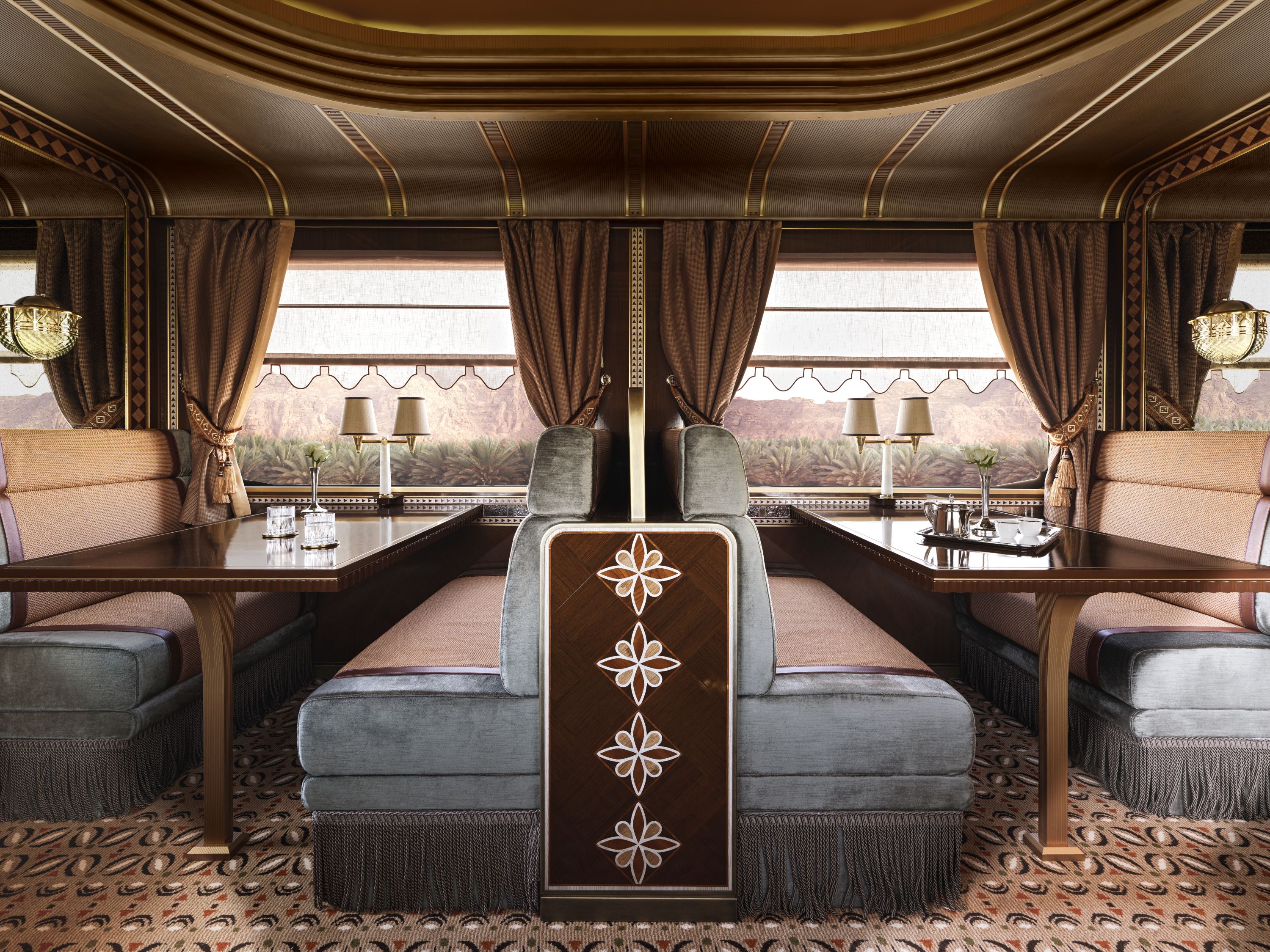
How did the train merge Italian carriage heritage with elements of Saudi culture?
"The train carriages were manufactured in Italy, reflecting a refined collaboration between Italian engineering and Saudi craftsmanship. The challenge was achieving a seamless balance between technical and regulatory requirements and cultural expression. The project focuses on refined luxury rooted in cultural significance and immersive storytelling, rather than hollow embellishment, ensuring precision and authenticity through combining Italian expertise with a design language inspired by Saudi heritage."
How did you add your personal touch to the project?
"The interiors of Dream of the Desert embody timeless elegance and deep cultural connections. Hospitality at its finest forms the core of the design philosophy. I strive to balance preserving heritage with embracing modernity, honoring craftsmanship while creating contemporary spaces. Every detail carries a story: refined, contemporary, and designed to endure."
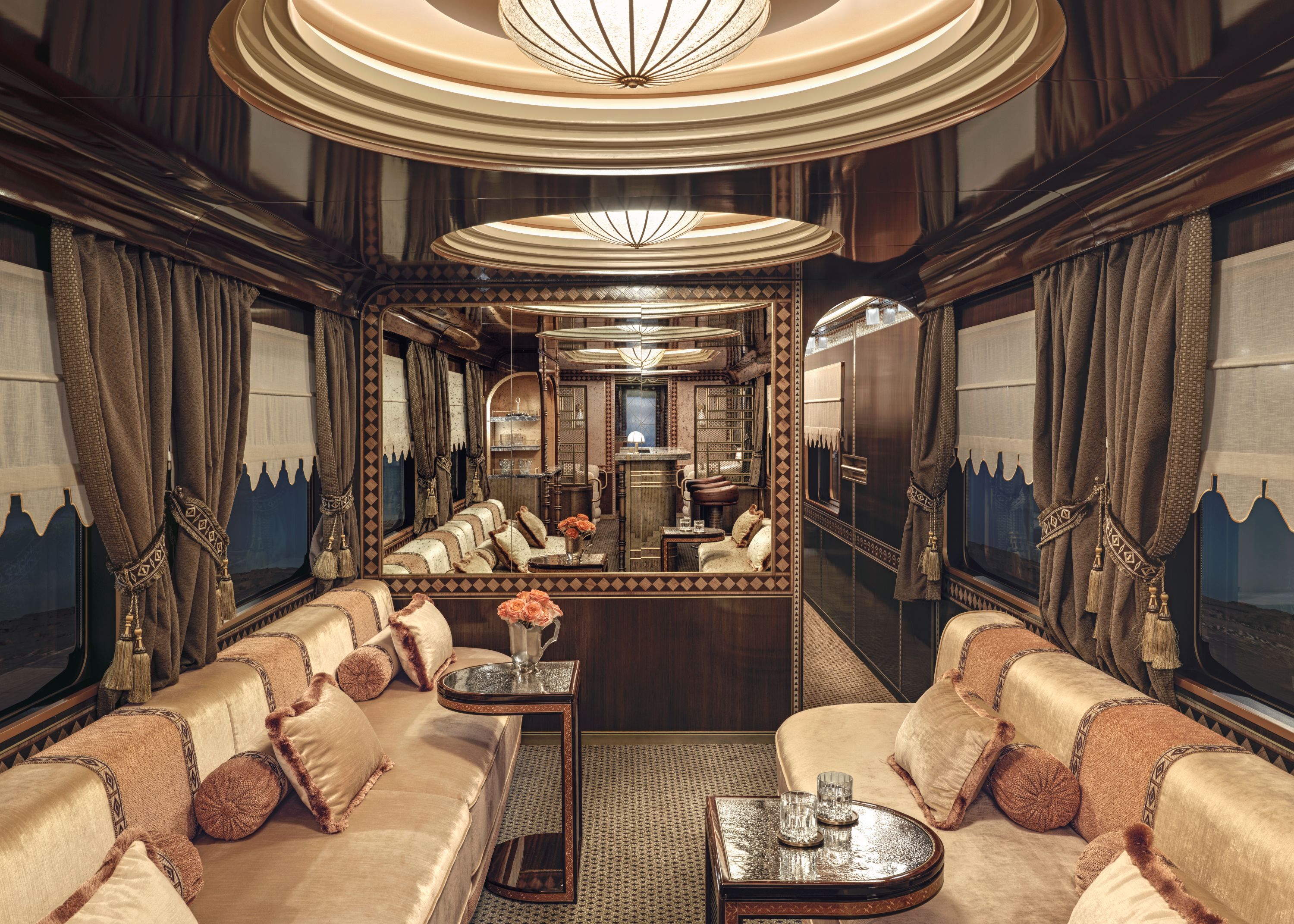
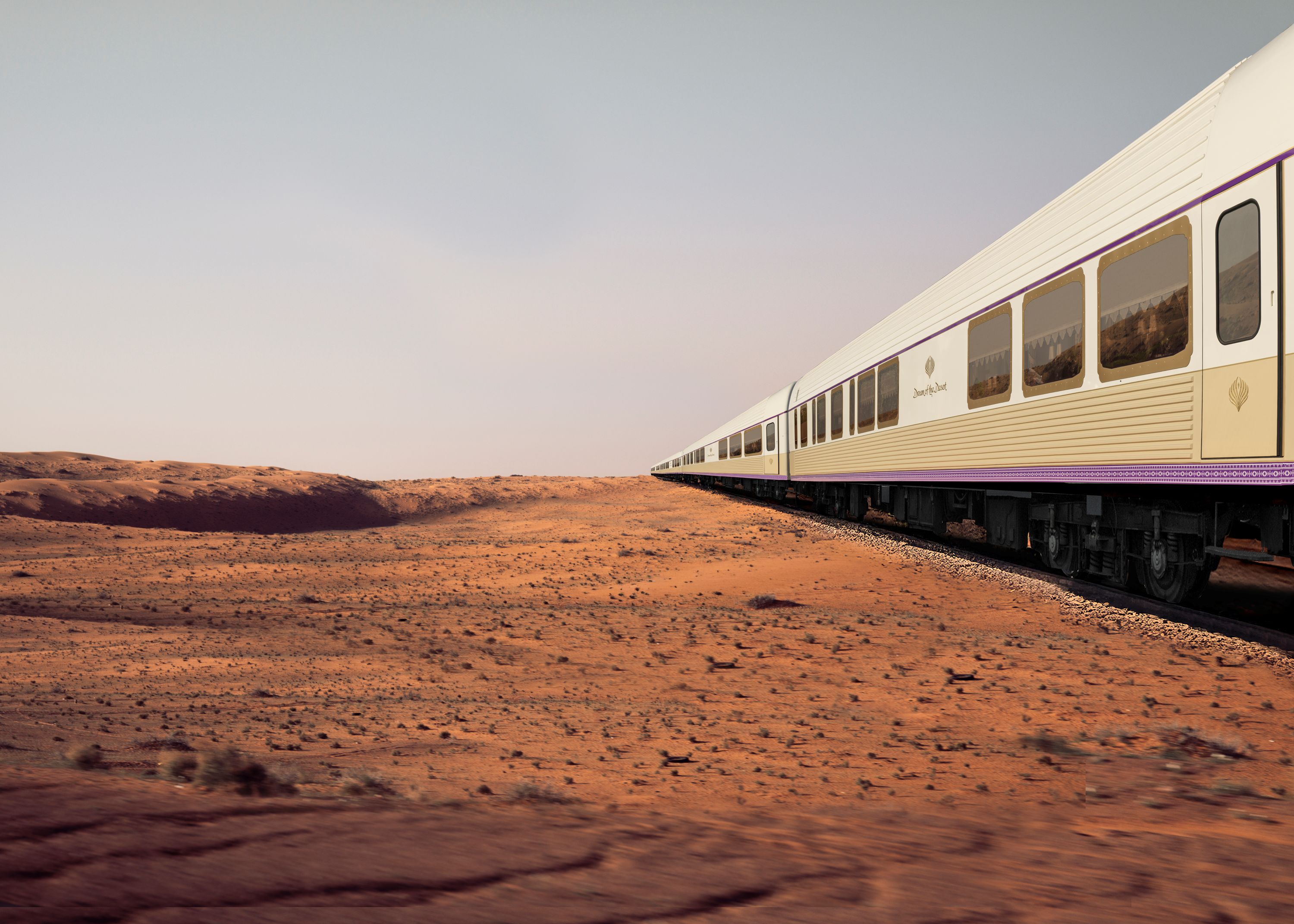
How does Dream of the Desert reflect sustainable luxury, and what role did refurbishing the Italian carriages play?
"Sustainability was central to the project. The Italian carriages were completely refurbished in Brindisi, and interior design work was completed in Bergamo. Traditional wood carvings, metallic details, and ceilings integrated with hidden air vents were preserved, ensuring safety, certifications, and comfort. Alternating engraved mirrors with wood highlights the narrow spaces and emphasizes fine details, creating a natural, graceful flow of light and curves."
How would you describe the experience of designing the first luxury train in the kingdom and the Middle East?
"Although this was my first experience designing train interiors, I maintained the philosophy used in major heritage hospitality projects - starting from context and cultural stories and transforming them into poetic design while overcoming technical challenges. Working on Dream of the Desert, the sense of beauty I was raised with as a Lebanese met the spirit of the Arabian desert. I hope every traveler experiences the rich, transformative beauty of this journey as I did."
How do you view the future of luxury design in the Arab region with the rise of luxury tourism projects?
"Craftsmanship is the ultimate bridge between past and present, where luxury is rooted in culture, skill, and human values. Nothing is worse than imitating the past; our ancestors were inventors, innovators, and bold decision-makers. The future of luxury design in the Arab region lies in studied modernity that respects memory and craftsmanship while embracing innovation and cultural dialogue."
How would you describe your professional journey?
"My practice in architecture and design is founded on the belief that beauty can change perspectives and evoke emotions - a philosophy I call the poetic materiality of architecture. I have been inspired by figures embodying resilience and boldness, from Zaha Hadid to my mother’s courage during the Lebanese war, teaching me that beauty expresses hope and perseverance. Projects like the Hôtel de Crillon and Palazzo Donà Giovannelli allowed me to create contemporary stages for history, while collaborating with Karl Lagerfeld enriched my life with knowledge, humor, and mastery of craftsmanship."