

The Roman nose returns as beauty trends embrace bold features



 Messenger
 Whatsapp
 Threads
 Email
Email
 Print
Print
 X
X
 Facebook
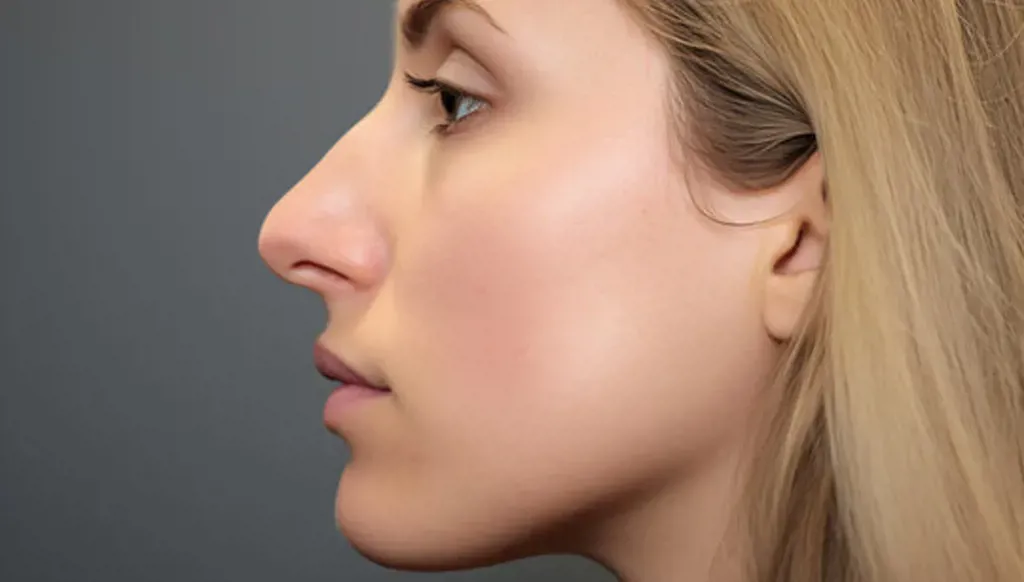


After decades out of style, the Roman nose - also known as the aquiline nose - is making a comeback, as a new trend encourages many to embrace its distinctive shape.
For years, rhinoplasty has focused on creating smooth, slender noses free of curves, once considered imperfections. Today, the beauty world is shifting, with the Roman nose emerging as a celebrated icon, prompting many to visit cosmetic clinics to achieve this classic look.
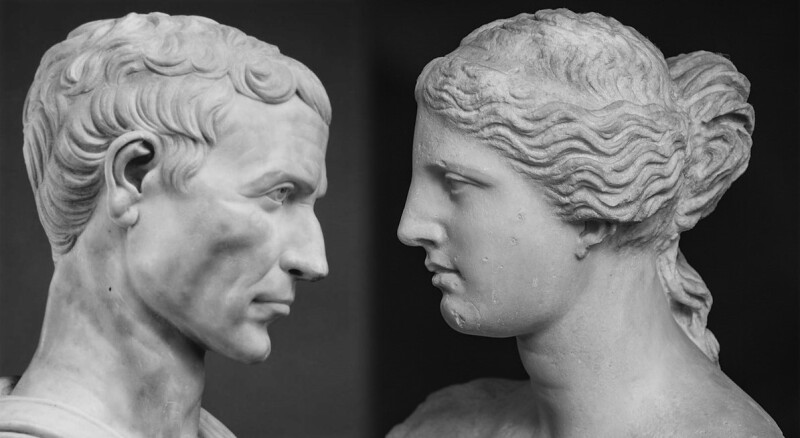
The Roman nose through history
In ancient times, the Roman nose was seen as a distinctive feature that enhanced a person’s facial character. It is defined by a prominent, elevated bridge with a slight curve at the tip. Historically, this nose was considered a symbol of strength, nobility, and leadership, often associated with bravery and determination. Famous historical figures known for this feature, and celebrated for their courage and influence, include Julius Caesar and Augustus.
Even the so-called "eagle nose" held symbolic meaning across many cultures. In Persian culture, for example, it was known as the "Shah's nose" ("king" in Persian) and associated with elegance, high social status, and refined taste. In various societies, it was long regarded as a mark of distinctive beauty and a symbol of charm and allure.
After years out of favor due to changing beauty standards, the Roman nose has made a striking comeback as one of the most sought-after features. Now trending from fashion runways to cosmetic clinics, it raises the question: Is this just a fleeting trend, or a deeper shift in beauty ideals? Brands are increasingly leveraging celebrities and influencers with this distinctive nose to promote their products, capitalizing on its attention-grabbing and influential appeal
Changes in the world of beauty
According to Dr. Joe Khoury, a specialist in plastic and reconstructive surgery, standards of beauty have evolved throughout history, reflected in art, sculpture, and painting, and now extending into modern media and artificial intelligence. "In 1990, beauty ideals favored slender women with minimal curves. Looking further back, Michelangelo’s paintings celebrated fuller female forms. There was even a period when corsets were worn to accentuate a slim waist against a prominent backside, reflecting the feminine ideal of the time," Khoury explains.
Despite these shifts, some principles of beauty remain constant. Certain standards rely on precise measurements: The face is divided vertically into five sections and horizontally into three. The closer these proportions align, the more they approach the ideal beauty standard, based on the well-known golden ratios in aesthetics.
Between beauty standards and trends
Trends come and go, influencing the beauty world without fundamentally altering established standards. Cosmetics and body ideals, for example, have shifted over the years. At one time, a prominent chest and curvy figure were celebrated, exemplified by Pamela Anderson’s influence on the beauty ideal.
Later, the preference shifted toward a slimmer body with less emphasis on curves, until Kim Kardashian popularized a new silhouette with a narrow waist, large hips, and less prominent breasts. Nose shapes have also seen changing trends. There was an era when a sloped nose with an elevated tip was preferred, followed by a shift toward more natural shapes. This return to natural looks is now shaping cosmetic trends across the board. Rhinoplasty, in particular, remains the most sought-after cosmetic procedure, as the nose is a central facial feature, ranking just behind the eyes and smile in importance.
Khoury does not see following cosmetic trends as wrong, provided they cause no harm. As long as a procedure is safe and reversible, it is simply a trend and does not contradict the enduring standards of beauty.