Five must-read books on power, justice, and the battles shaping our world in 2026


 Messenger
 Whatsapp
 Threads
 Email
Email
 Print
Print
 X
X
 Facebook



At the crossroads of international politics, geopolitics, and autobiography, a collection of recent and forthcoming works seeks to unpack our present moment - venturing inside the halls of power and into the heart of legal, religious, military, and ethical battles.
Here are five books - four set to be published in 2026 - that tackle pressing questions of power, violence, identity, justice, and the individual’s role in confronting larger systems. These are the readings we recommend in Annahar, written at the edges of history while it is still unfolding.
"A Hymn to Life" (Et la joie de vivre) - Gisèle Pelicot (2026)
The book presents a powerful personal testimony by Gisele Pelicot, recounting one of the most shocking sexual assault cases to capture global attention. For the first time, she tells her story in her own words, detailing the legal battle she fought publicly after waiving her right to anonymity, and confronting her husband along with the fifty men accused of assaulting her.

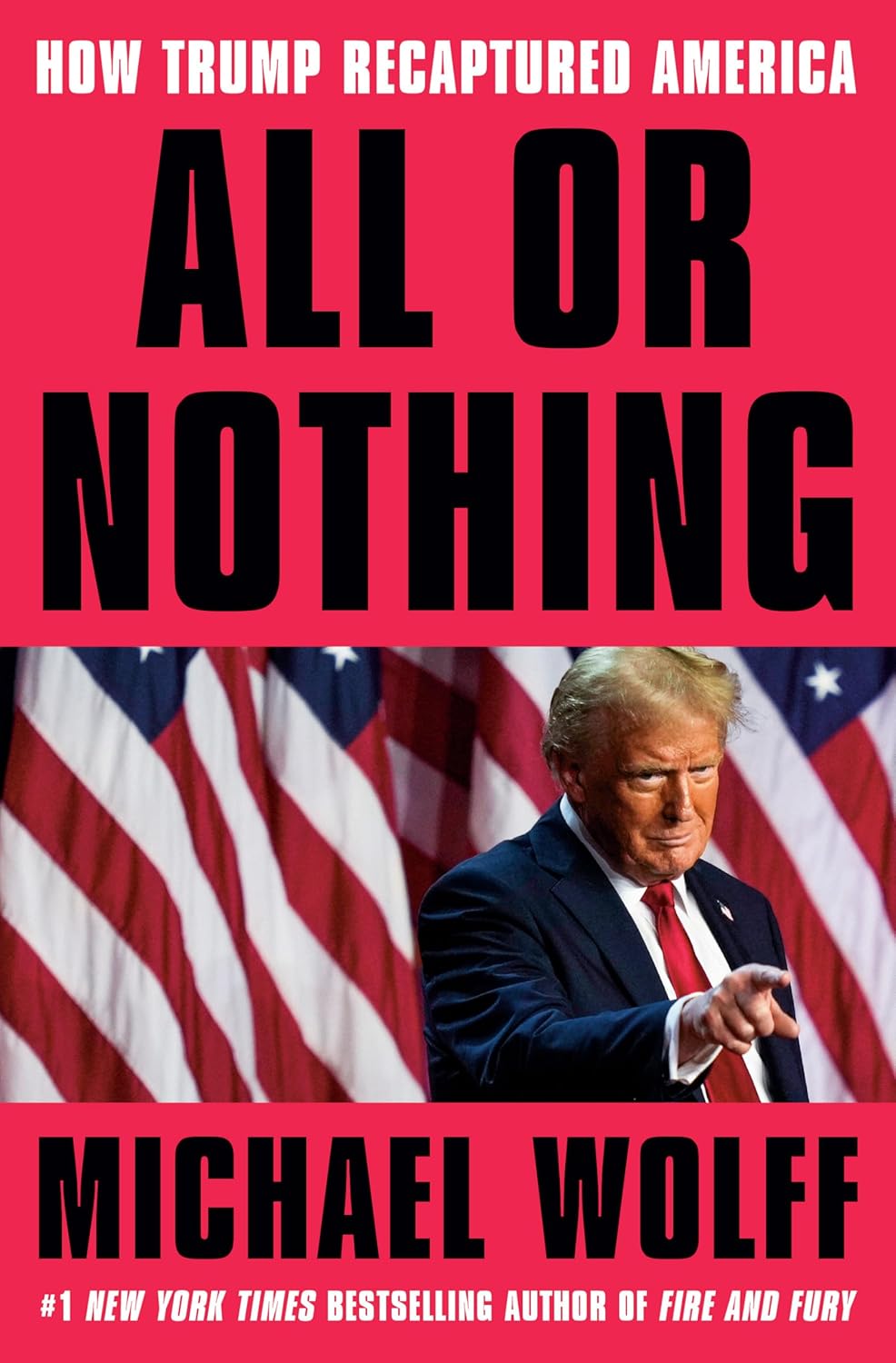
"All or Nothing: How Trump Recaptured America" - Michael Wolff (2025)
The book delivers an intense insider look at Donald Trump’s 2024 campaign, one of the most chaotic and unpredictable in modern American history. With direct access to Trump’s inner circle, the author weaves together two striking narratives: a suffocating legal battle alongside a remarkable political rise in the party and the polls. Balancing tragedy and farce, it portrays the “All or Nothing” struggle between Trump and the establishment as a fight over the very future of American democracy, exposing the contradictions of power and chaos in contemporary politics.
"Pope Leo XIV: The First American Pontiff" - Paul Kengor (2026)
Catholic historian Paul Kengor offers the first comprehensive and authoritative biography of the first American pope. He delves deeply into Pope Leo XIV’s spiritual and intellectual formation, tracing his journey from priesthood to the papacy and exploring his relationships with predecessors and cardinals. The book uncovers the intrigues of the conclave and the surprising election that brought him to power, while also offering insight into the challenges ahead, presenting a portrait that highlights both the American and global dimensions of the papacy.

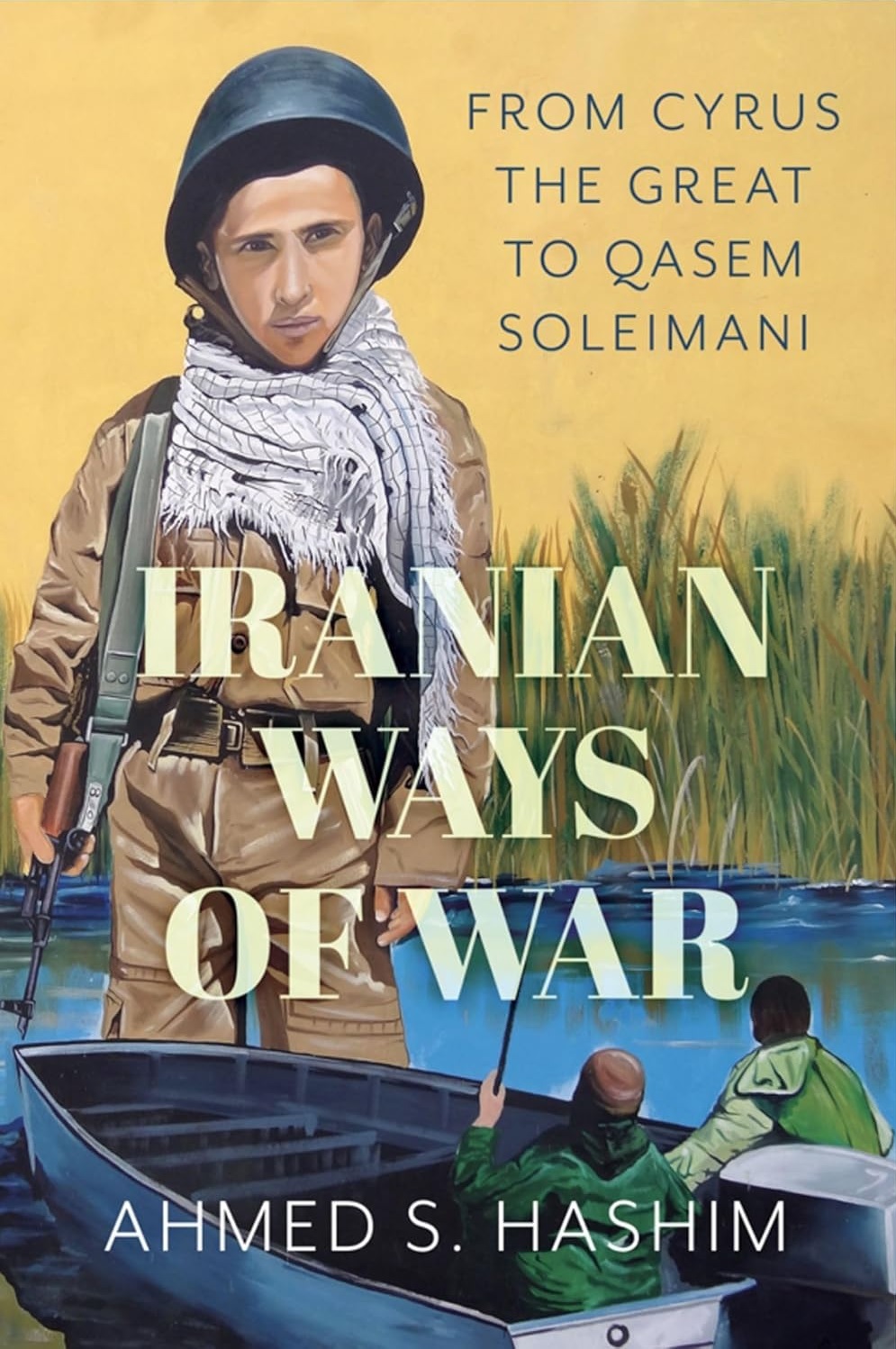
"Iranian Ways of War: From Cyrus the Great to Qasem Soleimani" by Ahmed Hashim (2026)
The book offers a detailed historical and analytical study of how Iran conducts war, from the era of empires to the Islamic Republic. Drawing on Persian, Arabic, and European sources, the author traces the evolution of Iranian military doctrine since 1979, through the Iran-Iraq War, and into Tehran’s involvement in Syria and Iraq. Moving beyond common portrayals of Iranian “aggression,” the book reveals the country’s strategic logic, sense of grievance, and pursuit of self-defense and influence, providing crucial insight into potential future confrontations - direct or proxy - in a volatile region.
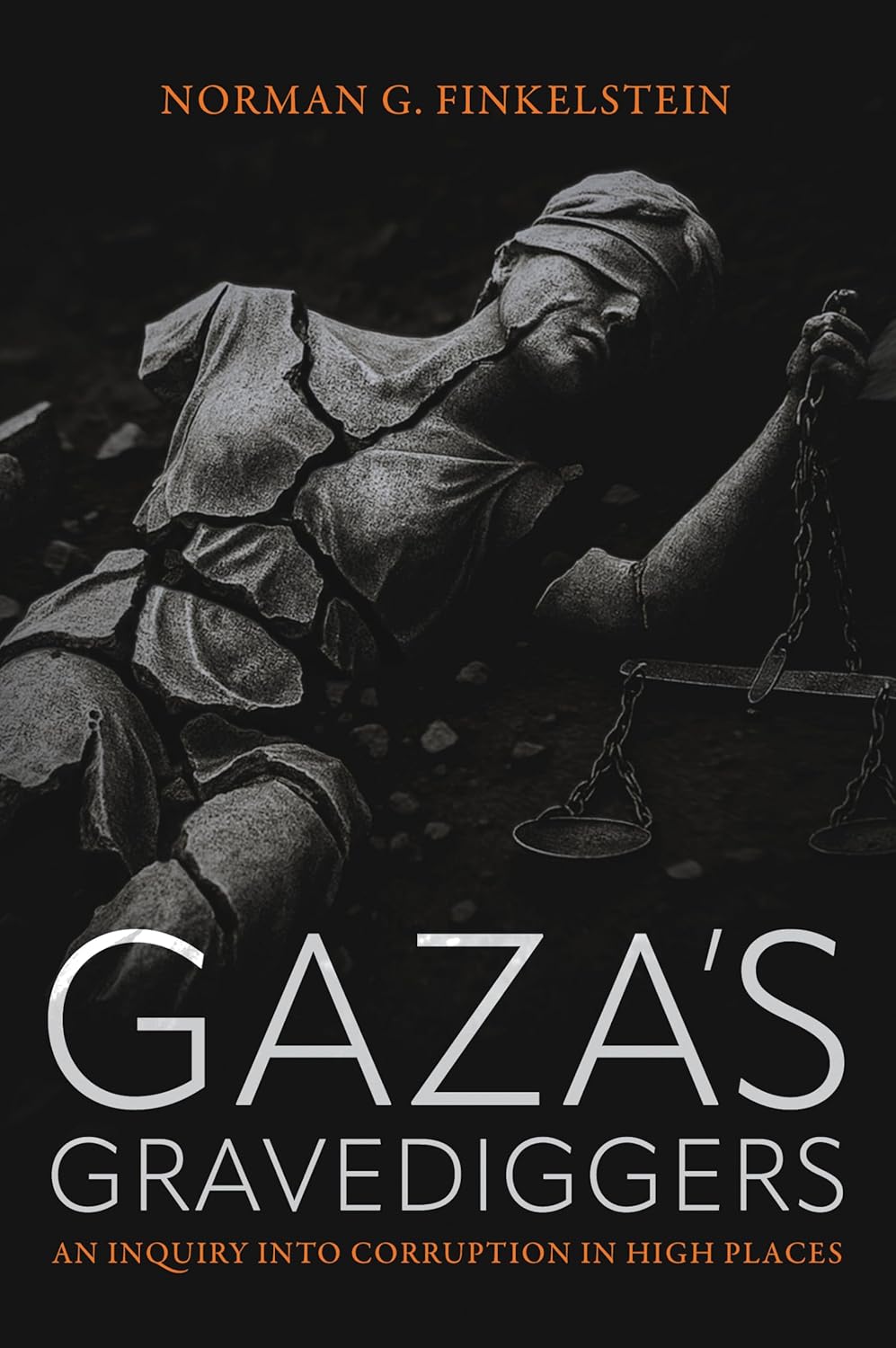
"Gaza's Gravediggers: An Inquiry into Corruption in High Places" by Norman Finkelstein (2026)
The book presents a rigorous investigation into what scholar Norman Finkelstein calls the “international complicity accompanying events in Gaza” since October 2023. Drawing on meticulous research and incisive legal and political analysis, Finkelstein challenges narratives defending Israeli operations, shifting scrutiny from the battlefield to the global decision-making bodies. The book examines the role of international institutions, legal authorities, and intellectuals in distorting facts and whitewashing violations, offering a sharp moral and political indictment of those who abused their power, and reminding readers that history is neither erased nor easily forgiven.