

Lebanon
11-12-2025 | 13:23
Fairuz elevates Lebanon’s voice at Red Cross appeal
Fairuz’s performance at the 50th anniversary of the Geneva Convention became a reminder to the world of Lebanon’s pain and enduring hope


 Messenger
 Whatsapp
 Threads
 Email
Email
 Print
Print
 X
X
 Facebook
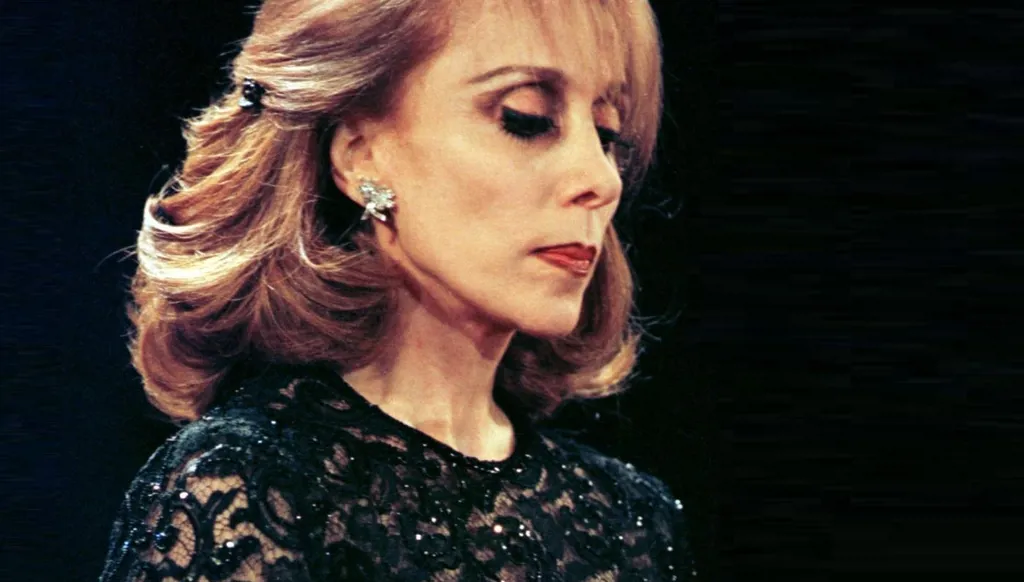
Fairuz (Archive)


On 12 August 1999, Fairuz arrived in Geneva, representing Lebanon and the Arab world with her characteristic composed grace. She had accepted the International Red Cross’s invitation to take part in launching the 12 August Appeal in support of the Geneva Conventions.
From her home in Rabieh, Fairuz had previously received Henri Fournier, head of the ICRC mission, and handed him a handwritten message to Cornelio Sommaruga, president of the International Committee. In a few elegant lines, she expressed her gratitude at the invitation:
“Dear Mr. Cornelio Sommaruga, President of the International Committee of the Red Cross,
I am truly pleased by your invitation to join the distinguished group selected by the International Red Cross to support its appeal in remembrance of the Geneva Conventions of 1949. It is with great honor that I confirm my participation in the launch of this important initiative.”
Marking the 50th anniversary of the Geneva Conventions, foundational rules meant to protect victims of war,Fairuz’s presence stood apart. While the other fourteen invitees carried written statements, she came with only her voice–one that conveyed emotion, empathy, and hope.. Her performance offered a song rooted in homeland, humanity, and solidarity.
Fairuz appeared on the Geneva stage dressed in black, with a conviction she has never abandoned: that art is a form of prayer. In a May 1999 interview with The New York Times after her Las Vegas concert, she put it simply: “If you look at my face when I sing, you will see that I am not there.”
When the host introduced Fairuz that evening, he began by recalling how one of her compatriots once described her as a “living legend”—a sentiment, he noted, that resonates not only with the Lebanese, but with all those who cherish Arab culture.
He understood what Fairuz represents to her people, telling her that “the poetry you sing draws its power from your love for your country and your defiance of the wounds war inflicted upon it.” After Fairuz’s concert in the United States, he added, many said that her songs “had become, for your people, their homeland itself.”
Although Fairuz had signed the 12 August appeal,she chose to convey its message through music. “You chose to express it in song,” the host said, “in our joy and our hope.”He concluded by promising that the audience would listen “with gratitude—and, without doubt, with deep emotion.”
“The Land Is Yours” reflects Fairuz at her essence—gentle, steady, and quietly moving. Her voice suspends listeners between earth and sky, guiding them across distances before they return in wonder. When she finished singing that evening, the president of the International Committee rose to his feet, applauding with unmistakable warmth.
His applause echoed the hope that filled the hall, one rekindled by Fairuz’s presence, the dream she stirred, her message of peace transformed into a melody that reached beyond conflict.. Fairuz, in that moment, embodied Lebanon’s longing for peace.
Outside the auditorium, the reaction was no less powerful. The audience stood as one, captivated by a language foreign to many of them, yet somehow speaking on their behalf. When her voice reached the final line—“This is my hand, give me yours”—their applause felt like an answer: Here are our hands.
“I can make them remember us.”
Fairuz found her comfort in speaking about Lebanon, the country she has carried in her voice for decades. In her songs, Lebanon becomes a refuge and lifeline in times of war. Her voice is a reminder to hold on, what makes us believe in “the land is yours,” as if echoing the spirit of Kahlil Gibran’s The Prophet.
When Fairuz finished singing in Geneva, she carried “our Lebanon” with her, as she always does. In an interview with Radio Monte Carlo, she acknowledged that our country is small, often forgotten, and that its suffering rarely enters global conversations. “Whenever the suffering of people around the world is mentioned, ours is forgotten,” she said. “I felt that by participating, I could make them remember us.” She expressed gratitude to the International Red Cross, noting that it was among the few international organizations that remembered Lebanon and its pain.
For Fairuz, art transcends borders. “The song touched people’s hearts,” she said, “and as long as it reached them, the message got through.” She ended with a simple wish for the West and for the world as a whole: “It is time for the world to rest.”
As she awaited the dawn of the third millennium, Fairuz held onto that hope. And we are still waiting for her wish to come true.
From her home in Rabieh, Fairuz had previously received Henri Fournier, head of the ICRC mission, and handed him a handwritten message to Cornelio Sommaruga, president of the International Committee. In a few elegant lines, she expressed her gratitude at the invitation:
“Dear Mr. Cornelio Sommaruga, President of the International Committee of the Red Cross,
I am truly pleased by your invitation to join the distinguished group selected by the International Red Cross to support its appeal in remembrance of the Geneva Conventions of 1949. It is with great honor that I confirm my participation in the launch of this important initiative.”
Marking the 50th anniversary of the Geneva Conventions, foundational rules meant to protect victims of war,Fairuz’s presence stood apart. While the other fourteen invitees carried written statements, she came with only her voice–one that conveyed emotion, empathy, and hope.. Her performance offered a song rooted in homeland, humanity, and solidarity.
Fairuz appeared on the Geneva stage dressed in black, with a conviction she has never abandoned: that art is a form of prayer. In a May 1999 interview with The New York Times after her Las Vegas concert, she put it simply: “If you look at my face when I sing, you will see that I am not there.”
When the host introduced Fairuz that evening, he began by recalling how one of her compatriots once described her as a “living legend”—a sentiment, he noted, that resonates not only with the Lebanese, but with all those who cherish Arab culture.
He understood what Fairuz represents to her people, telling her that “the poetry you sing draws its power from your love for your country and your defiance of the wounds war inflicted upon it.” After Fairuz’s concert in the United States, he added, many said that her songs “had become, for your people, their homeland itself.”
Although Fairuz had signed the 12 August appeal,she chose to convey its message through music. “You chose to express it in song,” the host said, “in our joy and our hope.”He concluded by promising that the audience would listen “with gratitude—and, without doubt, with deep emotion.”
“The Land Is Yours” reflects Fairuz at her essence—gentle, steady, and quietly moving. Her voice suspends listeners between earth and sky, guiding them across distances before they return in wonder. When she finished singing that evening, the president of the International Committee rose to his feet, applauding with unmistakable warmth.
His applause echoed the hope that filled the hall, one rekindled by Fairuz’s presence, the dream she stirred, her message of peace transformed into a melody that reached beyond conflict.. Fairuz, in that moment, embodied Lebanon’s longing for peace.
Outside the auditorium, the reaction was no less powerful. The audience stood as one, captivated by a language foreign to many of them, yet somehow speaking on their behalf. When her voice reached the final line—“This is my hand, give me yours”—their applause felt like an answer: Here are our hands.
“I can make them remember us.”
Fairuz found her comfort in speaking about Lebanon, the country she has carried in her voice for decades. In her songs, Lebanon becomes a refuge and lifeline in times of war. Her voice is a reminder to hold on, what makes us believe in “the land is yours,” as if echoing the spirit of Kahlil Gibran’s The Prophet.
When Fairuz finished singing in Geneva, she carried “our Lebanon” with her, as she always does. In an interview with Radio Monte Carlo, she acknowledged that our country is small, often forgotten, and that its suffering rarely enters global conversations. “Whenever the suffering of people around the world is mentioned, ours is forgotten,” she said. “I felt that by participating, I could make them remember us.” She expressed gratitude to the International Red Cross, noting that it was among the few international organizations that remembered Lebanon and its pain.
For Fairuz, art transcends borders. “The song touched people’s hearts,” she said, “and as long as it reached them, the message got through.” She ended with a simple wish for the West and for the world as a whole: “It is time for the world to rest.”
As she awaited the dawn of the third millennium, Fairuz held onto that hope. And we are still waiting for her wish to come true.