

Cluttered home, Cluttered mind: How letting go restores calm and control


 Messenger
 Whatsapp
 Threads
 Email
Email
 Print
Print
 X
X
 Facebook


Have you ever thought that the clutter around you might be of your own making? Have you ever felt that your home is full of chaos and that your belongings keep piling up without stopping? Clutter is not merely physical disorder; it is often a reflection of your relationship with yourself and your current life. Organizing your belongings is not just about moving things from one place to another, but an opportunity to reorganize yourself and choose what serves you today. Every item you let go of is not only extra physical space, but also a calm psychological space that gives you a sense of freedom and control.
The psychological state behind adapting to clutter
The psychotherapist and consultant with Médecins Sans Frontières (an international humanitarian medical organization), Dr. Mario Abboud, explains in an interview with Annahar that attachment to objects is often not due to their material value, but to what they symbolize: a memory, a past stage of life, or a version of ourselves that we miss or hope to return to, and that we keep in order to feel in control. Letting go of an object therefore becomes an emotionally charged experience, as if the person is being asked to give up a part of their identity, not just a material thing. Holding on to possessions thus becomes an unconscious psychological mechanism to resist change and the fear of loss.
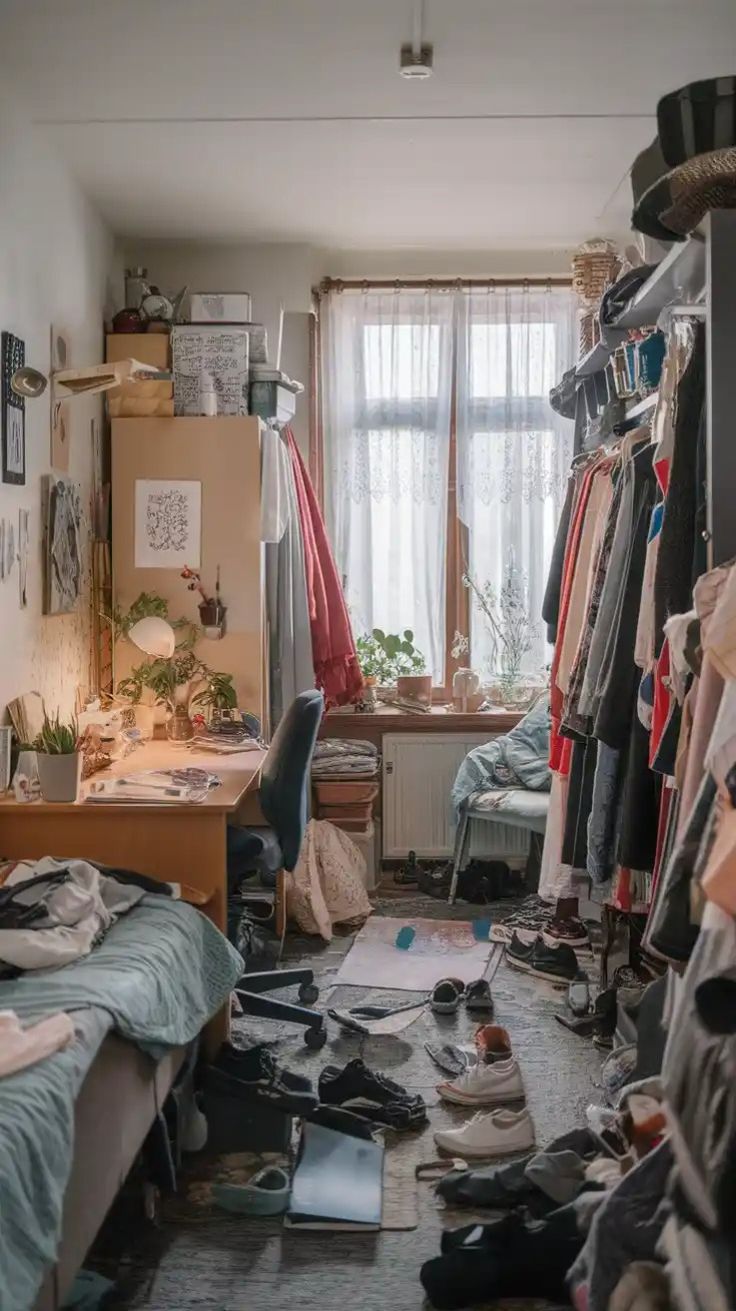
Clutter in the home often reflects a deeper psychological state related to a person’s relationship with themselves, their history, and their fears, which in turn shapes their relationship with their belongings. While holding on to objects is linked to fear of making decisions, the process of organizing is, at its core, a series of small decisions: what do I keep? what do I let go of? and why? When an individual suffers from anxiety or mental exhaustion, postponing decisions becomes easier than making them. As a result, clutter accumulates as a temporary solution that eases immediate anxiety but intensifies stress in the long term. Keeping things “just in case” provides a false sense of control over the future, as if the object’s presence guarantees safety or reduces the likelihood of regret.
In the same context, a study titled "Hoarding Among Patients Seeking Treatment for Anxiety Disorders" indicates that 12 to 25 percent of people who suffer from anxiety show significant hoarding symptoms, meaning difficulty discarding items or excessive accumulation, particularly among those with generalized anxiety disorder or obsessive compulsive disorder. The symptoms were also linked to higher levels of anxiety and depression and poorer daily functioning, suggesting that hoarding does not appear only with obsessive compulsive disorder, but can also be associated with other types of anxiety.

How can you get rid of clutter for a calmer, more balanced home?
In an article published by The Washington Post, professional home organizers explain what you should do when you are surrounded by clutter in your home.
Do not buy organizing products at the wrong time. You cannot know what you truly need before you start organizing, sorting, and getting rid of excess items, otherwise these tools themselves can turn into additional clutter.
Learn to identify what is truly “special” to you. If everything is special, then nothing is special. You cannot honor memories by cramming them into a closet, so choose the best and let the rest go.
Recognize that you may be decorating your home out of guilt. We often keep an item because we loved the person it belonged to, even though that person is often no longer present.
Keep in mind that even if you lose weight, the old clothes you kept from the last time will not fit you as they should. It is better to donate them so someone else can use them now and reward yourself with new clothes once you lose the weight.
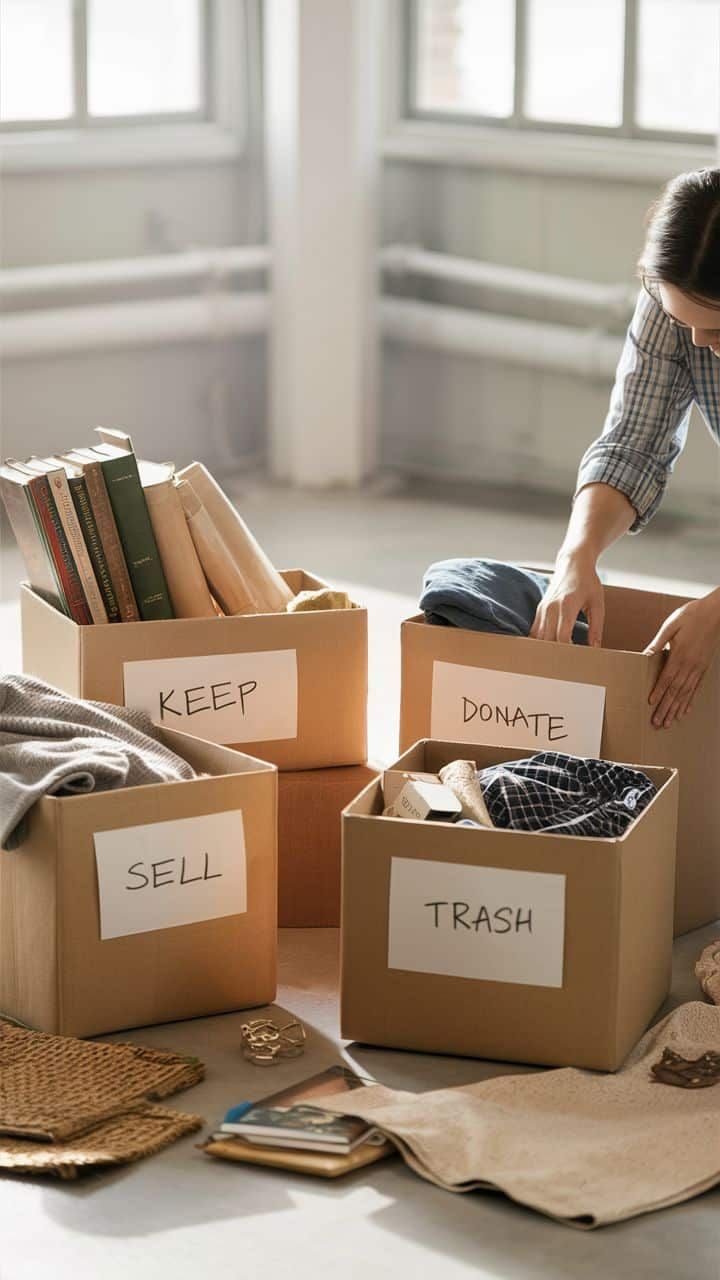
Prioritize your current version, and ask yourself: When the closets and garages are filled with who you used to be or who you might become someday, where does your current version live? When you let go of what doesn't serve your life now, you'll live in a home, not a storage. Unused old hobby supplies, for example, are not future investments but costly reminders of the person you wish to be, taking up space you actually need.
Think about how and where you actually use your belongings. Stop storing things wherever there is space and start storing them where they are used. Ease of finding and putting items back always defeats clutter, and much clutter results from poor placement rather than laziness.
Do not treat the surfaces in your home as waiting areas. If everything has a temporary place, then nothing has a real place. Put each item in its final destination the first time.
Do not pile items on the floor, as this makes cleaning and finding what you need harder and allows clutter to multiply. Use vertical storage instead, such as wall systems and tall cabinets, to lift clutter off the floor and reclaim space.
Do not keep things “just in case.” If an item has not been used recently and you cannot imagine using it in the future, it is time to let it go.
The problem is not a lack of storage space but buying more than you need. People often buy a lot before getting rid of broken, old, or unwanted items, including bulk buying, impulse purchases, and buying trivial things, then buy random boxes to store it all so they can keep buying more.
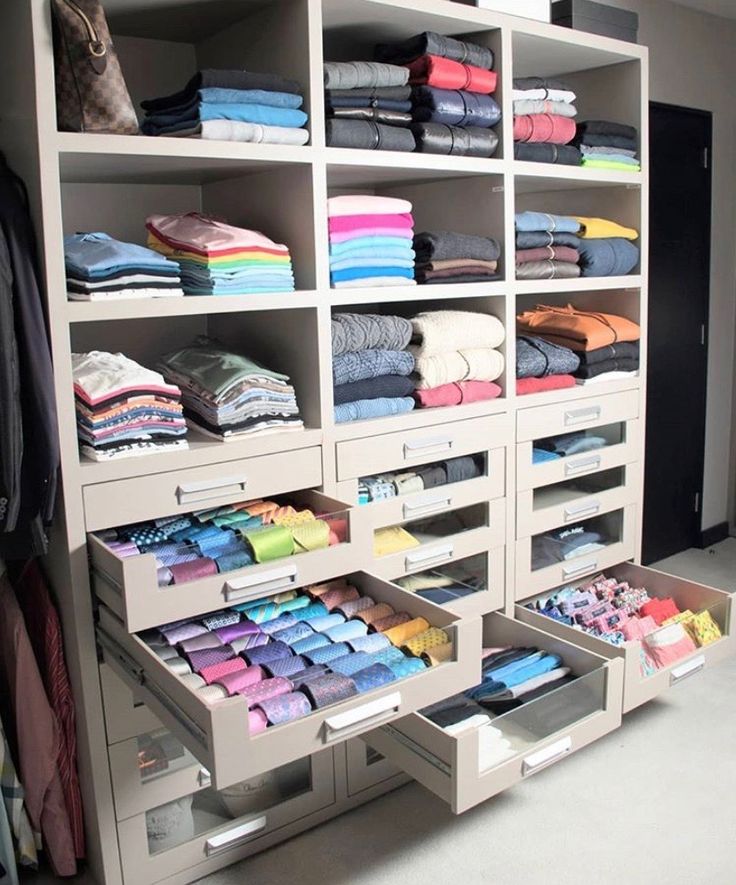
Do not avoid making the decision to organize and let go, because this is where clutter accumulates. Getting rid of clutter is not cruelty, but mindful presence and knowing what truly serves you.
Do not keep your adult children’s belongings in your home; they are responsible for their own things.
Do not strive for perfection; choose “good enough,” because done is better than perfect.
Unpack your shopping bags as soon as you get home