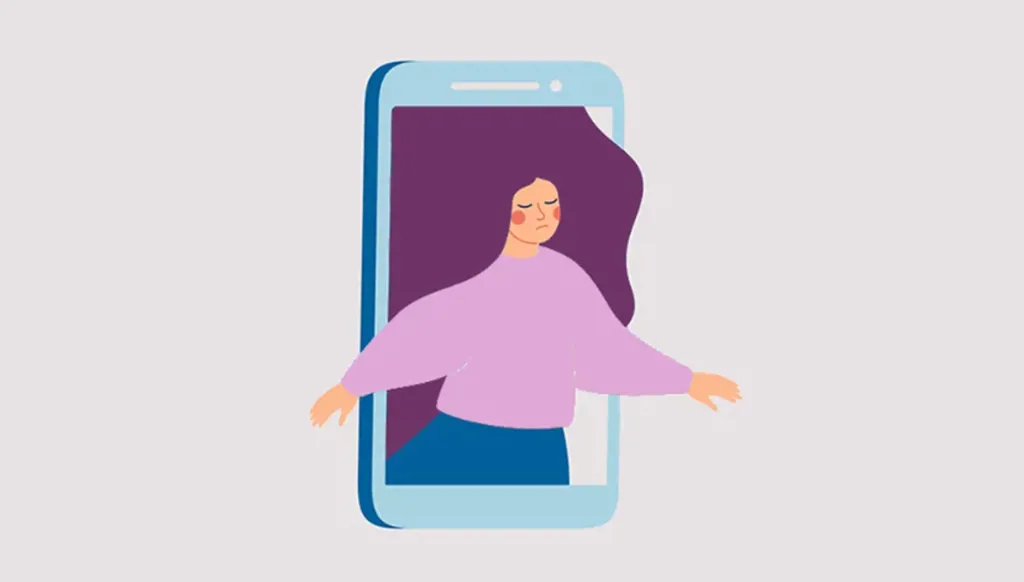
As smartphones become inseparable from daily life, the rise of the
“digital diet” reflects a growing struggle to disconnect and reclaim mental
balance in an age of constant online pressure.
A new kind of “diet” is attracting attention, one that seems harder than any traditional food regimen: staying away from your phone. The smartphone has become almost like a part of the body, impossible to easily give up. Yet, some are attempting what is known as the “digital diet.”
One young woman, Amani, was among them. She decided to impose strict rules on herself and shared the idea with her friends, setting a 21-day period as an experiment in phone abstinence. She began the “diet” enthusiastically, describing the first days as a “real challenge.” Yet she admits to Annahar: “Despite the strictness of my rules, I knew deep down that I could return to my phone at any moment… and that’s exactly what happened after just three days, without any guilt.”
We can’t blame Amani, she is not an exception. The reality is that disconnecting from the digital world has become increasingly difficult, as the smartphone has become an integral part of our daily lives and even our personalities. Recent studies indicate that the average user checks their phone around 96 times a day, roughly once every ten minutes, which makes any attempt to stay away extremely challenging, and explains why many fail to maintain a long-term “digital diet.”
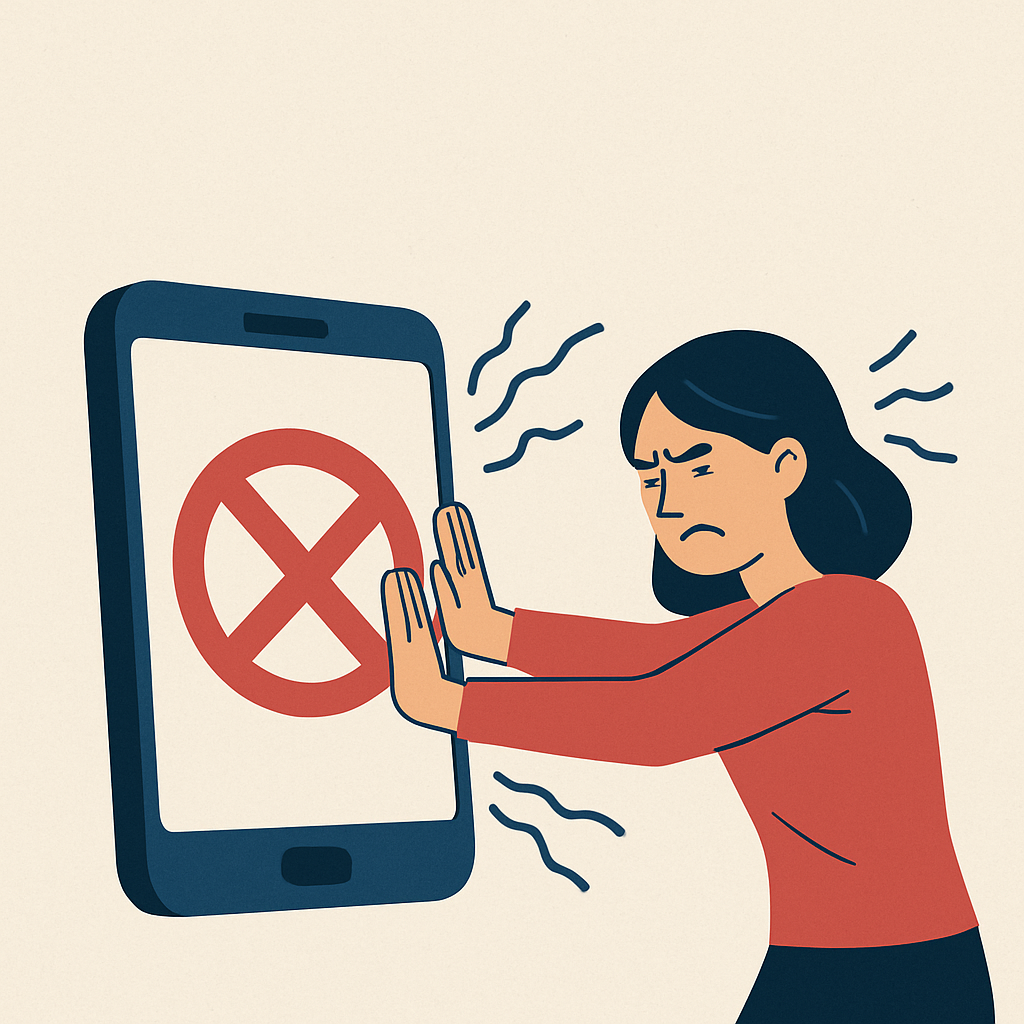
Trying to break free from the grip of the smartphone (Artificial Intelligence)
Rawiya Itani, a specialist in self-image relationships, says that we are living in a time where “something is stealing us from ourselves without us realizing it.” She adds: “Social media is no longer just a means of communication; it has become a space for comparison, depletion, and reprogramming our minds according to standards that aren’t ours. Every image that enters your brain, every ‘like’ that touches your subconscious, every scroll leaves a tiny mark on your self-image.”
She explains that this helps clarify the rise of terms like “Mental Detox” or “Digital Diet:” “It’s a conscious decision in which we filter out external noise and regain the ability to hear our inner voice. It’s not about depriving yourself of social media, but about restoring balance. The truth is, every image, every ‘like,’ every scroll programs our brains in a certain way and affects our self-image without us knowing. The result? Constant comparison, internal pressure, and an increasing sense that we are never enough.”





 Messenger
 Whatsapp
 Threads
 Email
Email
 Print
Print
 X
X
 Facebook