Machmoum: The delicate bouquet at the heart of Tunisian heritage
Machmoum—Tunisia’s handcrafted jasmine and gardenia bouquet—remains a cherished cultural symbol, sustaining local livelihoods, enriching celebrations, and preserving a fragrant national heritage passed down through generations.
With the arrival of summer, festivals, cultural events, and wedding celebrations multiply in Tunisia. And with these occasions, the demand for "Machmoum”—the jasmine and gardenia bouquet for which the country is famous—also increases. Its reputation has spread worldwide, to the point that Tunisia has become known as the land of jasmine and gardenia. Night café-goers also frequently enjoy its fragrance.
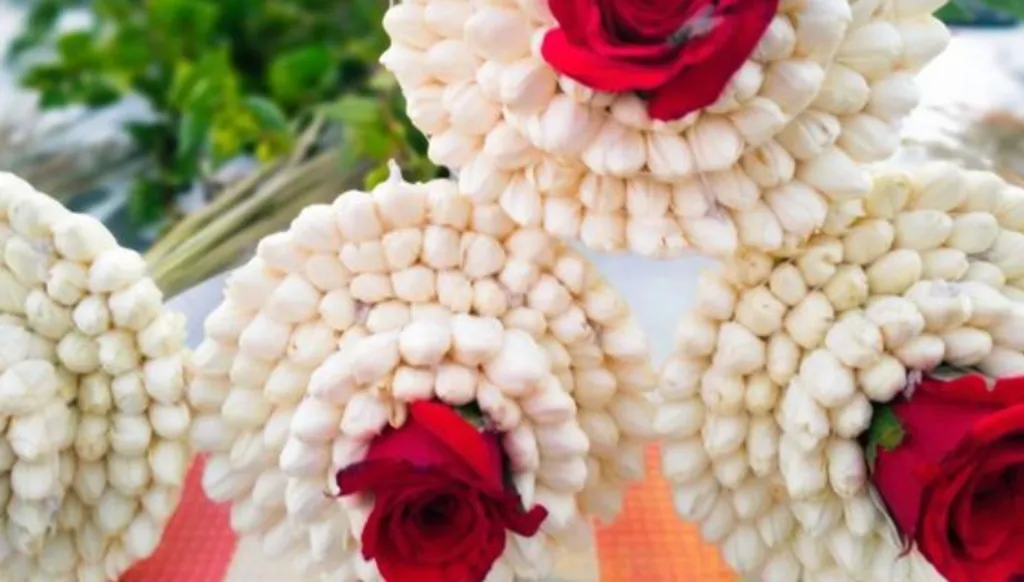
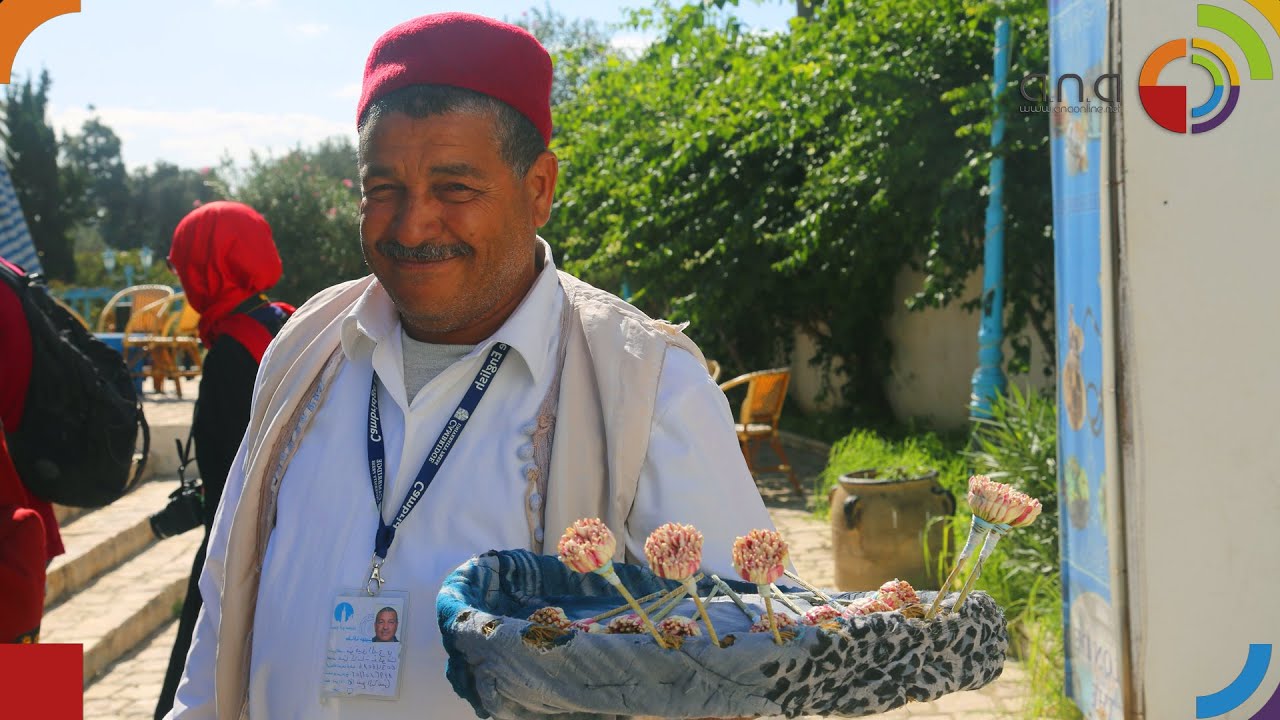
“Machmoum” is a small and beautiful bouquet made of jasmine or gardenia flowers (or both), carefully gathered in a way that Tunisians have mastered and passed down through generations. In recent years, some have even turned it into a tourist product. The making of “Machmoum” passes through several stages: picking jasmine and gardenia flowers from gardens early in the morning before sunrise, then placing the flowers in water to prevent them from wilting. Finally, they are collected and tied with a thread at the top, wound around the petals, while at the bottom they are supported by a thin stem made of small, slender sticks—bound skillfully with threads in a technique that reflects long practice.
A traditional craft The making of “Machmoum” is one of Tunisia’s ancient traditional crafts and is part of the country’s rich heritage. It has been preserved, inherited, and perfected by generations. These large “Machmoun” bouquets have been used at weddings and political events, and the late President Habib Bourguiba allegedly loved holding such bouquets to inhale their scent, especially in summer in the city of Monastir, his birthplace, during events held in his honor.
Tunisia | The fragrance of jasmine and orange blossom, a craft passed down through generations of families
Some regions in Tunisia became especially known for jasmine, including Radès—formerly called Maxula Prates—near the capital. The town holds an annual jasmine festival that has gained local and international fame. It even entered the Guinness World Records after producing the largest “Machmoum” bouquet in the world, made from more than 23,000 jasmine flowers, which helped promote its tourism product.
The coastal tourist city of Hammamet is also known for jasmine. A large tourist resort was established there at the beginning of this millennium, named Yasmine Hammamet. It also became home to an international film festival called the “Jasmine Festival in Hammamet.” The city of Monastir and nearby towns under its governorate—such as Ksar Hellal, Moknine, Téboulba, and Lamta, all part of Tunisia’s eastern coastal region—are also well known for their jasmine.
A source of income The fame of Tunisia’s "Machmoum,”, gardenias, and jasmine has spread beyond the country’s borders, becoming sought after in several European nations such as France and Italy, where it is sold to both expatriate Tunisians and Europeans nostalgic for the fragrant Tunisian summer. “Machmoum” is also popular in some East Asian countries that show particular interest in Tunisian traditional crafts—such as the Sidi Bou Said birdcage, inspired by geometric shapes from Carthaginian architecture, which some of these countries have attempted to register as their own heritage with UNESCO. “Machmoum” has even become an important source of income for an increasing number of Tunisians, whether growers, exporters, artisans who craft these beautiful white bouquets, or sellers.
A national symbol Faisal Al Thawadi, a Tunisian heritage researcher, told Annahar Al-Arabi that “Machmoum” is an authentic traditional craft that will not fade away, given Tunisians’ passion for it. He adds that demand for it continues throughout the year, for both private and official occasions, and it has become customary for those organizing receptions and formal events.
He explains that this popularity—and the association of its scent, for many Tunisians and foreign visitors alike, with the aroma of Tunisia—has made it one of the symbols of national identity, alongside other elements that distinguish the Green Land of Jasmine and Gardenia. Because of this symbolic value, many Tunisian artists have sung about it in famous songs that remain beloved to this day, as have Western artists who fell in love with Tunisia, its greenery, its beautiful summer, its enchanting sea, and its fragrant “Machmoum.”



 Messenger
 Whatsapp
 Threads
 Email
Email
 Print
Print
 X
X
 Facebook