Through daily routines, interactive storytelling, engaging book choices, and mindful use of technology, parents can nurture a genuine love of reading in children
Reading has become an outdated habit among the “social media and AI generation,” as the temptations of technology are far greater than what books offer. But creating a generation that reads, and raising awareness of reading in a digitally driven world, are critical in order to build a cultured, aware generation capable of shaping its prosperous future.
The primary goal of reading should be enjoyment and entertainment,” Samar Mahfouz Barraj, a writer specialized in children's books, emphasized in an interview with Annahar.
Buying the book is not enough Barraj calls for setting aside a specific time each day to read with the child in a calm environment free of distractions. She says: “Parents can encourage their child to connect daily events with what they read in the book, act out scenes from the story, draw elements of it on a separate sheet of paper, or use puppets to bring the story to life. In this way, the child realizes that reading is an enjoyable experience.”
When a parent reads with their child, it fosters a love of books more than reading alone, especially at a young age. “This promotes a love of sharing and interaction, and the dialogue that follows reading nourishes the child's mind, develops their analytical and critical thinking skills, and makes them aware of the issues raised in the book and how to come up with solutions based on their own ideas.”
After the parents, the most important role in creating a child who reads is that of the teacher at school, through activities that accompany story reading. According to Barraj, these activities are no less important than the reading itself.
A bedtime story that lasts Finding an enduring bedtime story is critical for parents. As Baraj notes: “A bedtime story teaches children two things from an early age: reading and listening. It also strengthens the emotional bonds between children and their parents, because children realize that this time is dedicated to them, which makes them feel safe and comfortable.”
Barraj adds: “This is the right time to start a conversation with your child, about the story itself or anything else, because they are in the mood to listen and interact. This narrative dialogue develops their imagination, and they will enjoy hearing the story in their bed, even if it is the same story told every day.”
Which book suits my child? Taking into account the child’s age, interests, and mental and linguistic level is essential. Baraj advises starting with picture-supported books for young children, because illustrations help them understand the content. “As the child moves into higher age stages, the number of pictures in books should be reduced, and the books themselves should be diversified—between realistic and fictional, educational, scientific, and social. It is also important that the book and its stories contain elements of suspense and surprise, without direct preaching.”
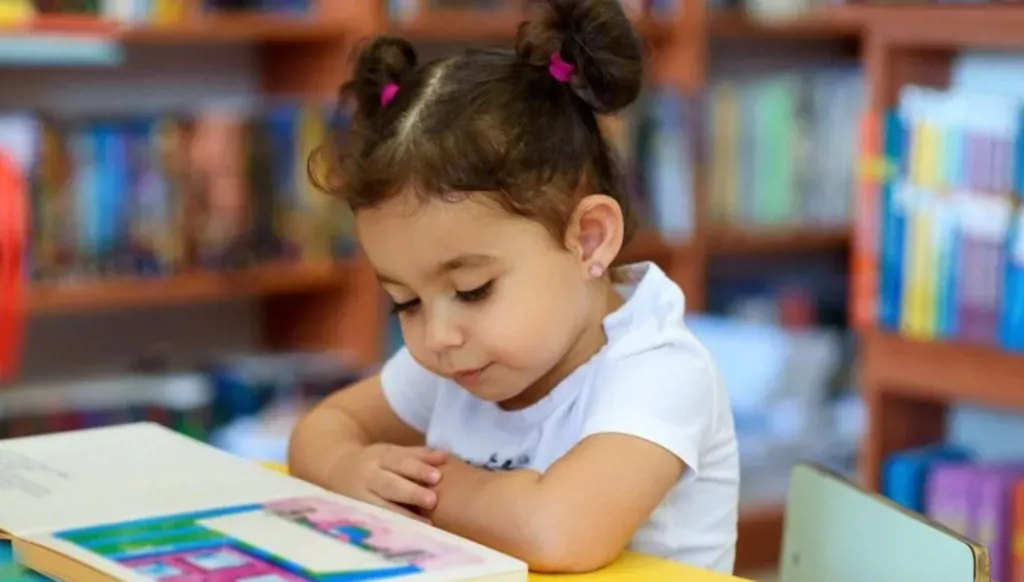
A girl reading (illustrative photo).
Practical tips for raising a child who loves to read: ● Read to your children; you are their role models. ● Get your children used to reading at a very early age, and read aloud to them. ● Buy new books and place them where your children can easily see them. ● Set up a home library for your child from an early age, and build a special bookshelf for them in their room. ● Take your children to the library for a weekly visit, and to book fairs. ● Reward your child by taking them to the library to buy a book, or by reading them a new story, so they understand that reading is not a punishment. ● Encourage your children to share their books with friends. ● Discover your child’s reading interests, and let them choose their own book. How can books beat electronic devices? It's not difficult, and Barraj offers the following tips: ● Do not give these devices to your child at an early age, as becoming accustomed to them deprives them of a sense of interaction and meaningful engagement. ● Choose books with appealing content and illustrations that catch the child's eye and increase their interest in the book. ● Choose interactive books with sound and touch, containing surprises for the child to discover, as this engages their thinking for a long time. ● Organize time between books and electronic devices, and make reading part of your child's daily routine. ● You can combine both: read the story and let the child watch a short video about its main character.
Finally, parents and schools should use technology to encourage reading, rather than replace it with technology. Barraj says: “Children can use the ‘Kindle Kids’ for e-reading and listening to children’s audiobooks. This device serves as a portable library with an electronic ink screen, which is easier on the eyes compared to tablets or phones. It also allows parents to set usage time, manage content, and track reading progress, ensuring that their children have access to age-appropriate material.”



 Messenger
 Whatsapp
 Threads
 Email
Email
 Print
Print
 X
X
 Facebook