

Lifestyle
11-12-2025 | 15:20
Across the world, coffee speaks without translation
Across the world, coffee serves as a shared cultural language, reflecting the traditions, values, and everyday rituals of each place that prepares it.



 Messenger
 Whatsapp
 Threads
 Email
Email
 Print
Print
 X
X
 Facebook
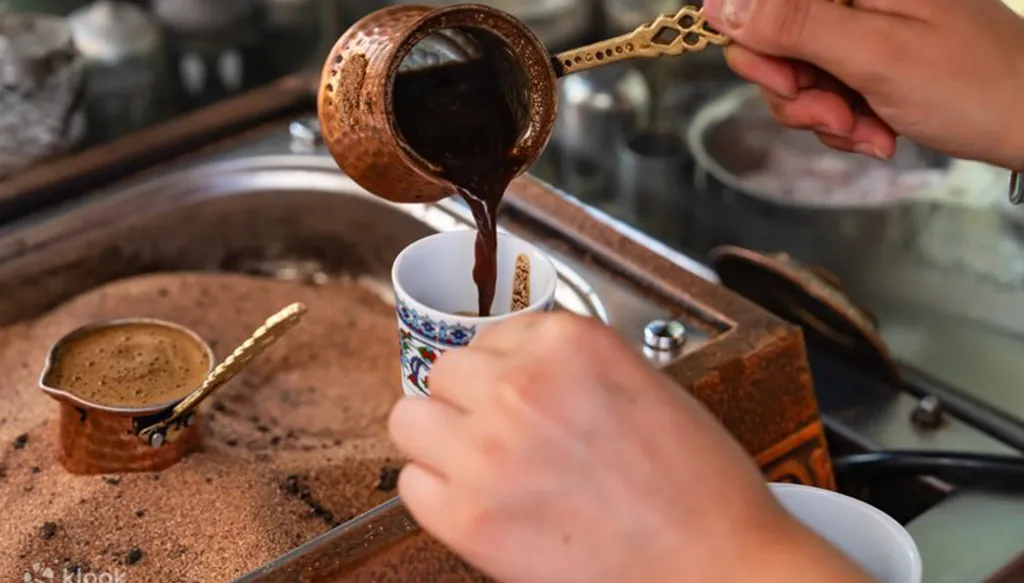
turkish coffee


Coffee is more than a beverage; it is an experience that crosses borders and cultures, uniting people while carrying centuries of history and tradition in every cup.
No matter where you travel, coffee reveals a distinct character that mirrors the soul and authenticity of each place. From Ethiopia–the birthplace of coffee, where its preparation unfolds as a ceremonial act of community--to Italy, which elevated espresso into an art form; from the deeply rooted rituals of Arabic coffee that symbolize generosity and hospitality, to the intimate cafés of Vietnam and Malaysia where stories unfold over quiet sips, every culture leaves its mark on this global drink.
Coffee becomes not merely a daily ritual, but a shared language spoken effortlessly among people around the world.
Arabic Coffee: The Warmth of Hospitality and the Depth of Tradition
When we speak of Arabic coffee, the words that immediately surface are authenticity and generosity. More than a drink, it is a ceremonial gesture, an expression of respect, hospitality, and the host’s commitment to honoring their guests. Made from lightly roasted beans and often infused with cardamom, saffron, or cloves, Arabic coffee carries a fragrance and flavor unmistakably tied to the region’s heritage.
Prepared in the traditional dallah, a graceful copper pot, it is served in small cups called finjān, following time-honored customs that ensure every sip conveys warmth and hospitality. The host alone is entrusted with pouring the coffee, filling only a third of the cup to invite refills—an unspoken sign of appreciation and cordiality. Guests typically drink at least one cup, while taking more than three is considered excessive.
One distinctive gesture is the gentle “shake of the cup,” a polite way for the guest to signal they are satisfied. Without it, the host will continue to pour, reaffirming their duty—and pride—in extending hospitality. This exchange transforms coffee from a simple beverage into a meaningful, shared ritual rooted in tradition and respect.
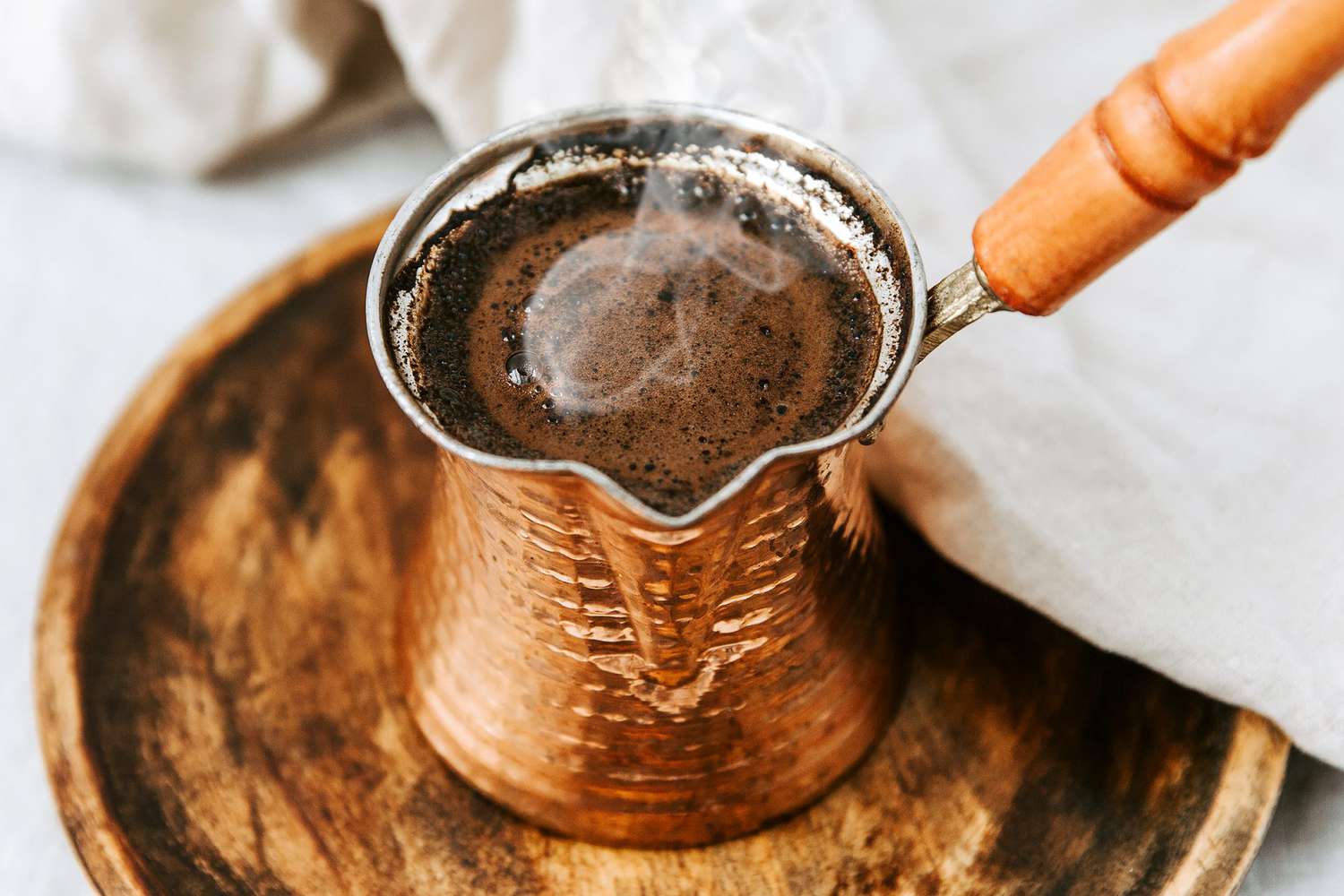
Arabic coffee also holds a special place in poetry and proverbs, where its symbolism is woven into expressions of character, mood, and hospitality. Among the most evocative sayings are:
• “Coffee is the soul’s true mood.”
• “He who does not serve coffee to his guest has no honor.”
• “Coffee should be black as the night, strong as love, and sweet as a smile.”
Ethiopia: Coffee as a Ceremony of Connection
In Ethiopia, coffee is far more than a daily habit, it is a living ritual handed down through generations. The process begins with roasting the beans over an open flame, their aroma filling the air, before they are ground by hand and brewed in a traditional clay pot known as the jibna. The coffee is served in three rounds: the first, Abool, is the strongest; the second, Tuna, offers a balanced, moderate flavor; and the final round, Baraka—meaning “blessing”—is the lightest and smoothest. More than a drink, the ceremony is a time for gathering, storytelling, and strengthening social bonds among family and friends.
Italy: The Art of Espresso and Everyday Elegance
In Italy, coffee is not merely consumed—it is lived. Whether in a tucked-away café in Rome or on a bustling Milan sidewalk, Italians drink espresso quickly, savoring a brief surge of energy before diving back into the rhythm of life. At home, the moka pot remains the beloved tool for brewing a rich, full-bodied cup. Coffee in Italy is less a beverage and more a language of daily encounters—a moment of connection, routine, and effortless simplicity woven into the fabric of everyday life.
Turkey: Coffee and the Secrets It Reveals
In Turkey, coffee carries you into an entirely different world. Brewed slowly in a cezve over low heat until a velvety foam forms, it is served unfiltered—inviting traditions such as reading fortunes from the grounds that settle at the bottom of the cup. Turkish coffee remains a symbol of hospitality, typically accompanied by water and sweets during social visits, as if extending an open invitation to conversation, contemplation, and shared moments.
Sweden: “Fika” – The Art of the Coffee Pause
In Sweden, coffee is more than a beverage; it is a cultural ritual known as fika—a deliberate pause from the rush of daily life to enjoy coffee alongside cinnamon or cardamom buns. Fika is a moment for connection, whether among friends or colleagues, where the simple act of sharing a cup becomes an opportunity to talk, unwind, and reconnect with others.
Vietnam: Coffee With a Character All Its Own
Vietnamese coffee stands apart in every respect. Brewed using a metal drip filter known as a phin, it is meant to be savored slowly, allowing its bold, concentrated flavor to unfold. The most iconic variety, cà phê sữa, blends strong coffee with sweetened condensed milk, creating a striking contrast of sweetness and intensity—an experience that lingers long after the cup is empty.
Malaysia: Kopitiam – Echoes of an Earlier Time
In Malaysia, traditional Kopitiam cafés are social hubs where people gather to talk, read, and enjoy coffee in its many forms—from the robust black Kopi-O to the creamy Kopi enriched with condensed milk. More than a morning ritual, coffee here is woven into the nation’s cultural fabric, carrying the charm of a bygone era and the warmth of everyday community life.
Mexico: The Warmth of Café de Olla
In Mexico, coffee is infused with cinnamon and brown sugar, then simmered in a clay pot to create a warm, aromatic brew known as Café de Olla. It is shared during family gatherings and festive occasions, often accompanied by stories, laughter, and connection. More than a drink, it becomes part of the social fabric—an expression of comfort, hospitality, and togetherness.
Brazil: Cafezinho – Coffee, Everywhere and Always
Brazil, the world’s largest coffee producer, lives in a constant rhythm of coffee. Cafezinho is the beloved national staple, served in small cups almost everywhere—from bakeries and offices to homes and even gas stations. It is woven into daily life, offered with a welcoming smile, as if it were an informal greeting extended to anyone who walks by.
A Journey Across Cultures, Cup by Cup
From Ethiopia to Brazil, and from Italy to Vietnam, coffee takes on a distinct character in every corner of the world—yet at its heart, it is more than a beverage. It is a universal language and a quiet bridge that brings people together and offers moments of warmth amid the rush of daily life. Each cup tells a story; each sip carries a legacy handed down through generations. And in that shared ritual, coffee remains a simple yet powerful thread of human connection—one that effortlessly transcends borders, cultures, and languages.
No matter where you travel, coffee reveals a distinct character that mirrors the soul and authenticity of each place. From Ethiopia–the birthplace of coffee, where its preparation unfolds as a ceremonial act of community--to Italy, which elevated espresso into an art form; from the deeply rooted rituals of Arabic coffee that symbolize generosity and hospitality, to the intimate cafés of Vietnam and Malaysia where stories unfold over quiet sips, every culture leaves its mark on this global drink.
Coffee becomes not merely a daily ritual, but a shared language spoken effortlessly among people around the world.
Arabic Coffee: The Warmth of Hospitality and the Depth of Tradition
When we speak of Arabic coffee, the words that immediately surface are authenticity and generosity. More than a drink, it is a ceremonial gesture, an expression of respect, hospitality, and the host’s commitment to honoring their guests. Made from lightly roasted beans and often infused with cardamom, saffron, or cloves, Arabic coffee carries a fragrance and flavor unmistakably tied to the region’s heritage.
Prepared in the traditional dallah, a graceful copper pot, it is served in small cups called finjān, following time-honored customs that ensure every sip conveys warmth and hospitality. The host alone is entrusted with pouring the coffee, filling only a third of the cup to invite refills—an unspoken sign of appreciation and cordiality. Guests typically drink at least one cup, while taking more than three is considered excessive.
One distinctive gesture is the gentle “shake of the cup,” a polite way for the guest to signal they are satisfied. Without it, the host will continue to pour, reaffirming their duty—and pride—in extending hospitality. This exchange transforms coffee from a simple beverage into a meaningful, shared ritual rooted in tradition and respect.
Arabic coffee also holds a special place in poetry and proverbs, where its symbolism is woven into expressions of character, mood, and hospitality. Among the most evocative sayings are:
• “Coffee is the soul’s true mood.”
• “He who does not serve coffee to his guest has no honor.”
• “Coffee should be black as the night, strong as love, and sweet as a smile.”
Ethiopia: Coffee as a Ceremony of Connection
In Ethiopia, coffee is far more than a daily habit, it is a living ritual handed down through generations. The process begins with roasting the beans over an open flame, their aroma filling the air, before they are ground by hand and brewed in a traditional clay pot known as the jibna. The coffee is served in three rounds: the first, Abool, is the strongest; the second, Tuna, offers a balanced, moderate flavor; and the final round, Baraka—meaning “blessing”—is the lightest and smoothest. More than a drink, the ceremony is a time for gathering, storytelling, and strengthening social bonds among family and friends.
Italy: The Art of Espresso and Everyday Elegance
In Italy, coffee is not merely consumed—it is lived. Whether in a tucked-away café in Rome or on a bustling Milan sidewalk, Italians drink espresso quickly, savoring a brief surge of energy before diving back into the rhythm of life. At home, the moka pot remains the beloved tool for brewing a rich, full-bodied cup. Coffee in Italy is less a beverage and more a language of daily encounters—a moment of connection, routine, and effortless simplicity woven into the fabric of everyday life.
Turkey: Coffee and the Secrets It Reveals
In Turkey, coffee carries you into an entirely different world. Brewed slowly in a cezve over low heat until a velvety foam forms, it is served unfiltered—inviting traditions such as reading fortunes from the grounds that settle at the bottom of the cup. Turkish coffee remains a symbol of hospitality, typically accompanied by water and sweets during social visits, as if extending an open invitation to conversation, contemplation, and shared moments.
Sweden: “Fika” – The Art of the Coffee Pause
In Sweden, coffee is more than a beverage; it is a cultural ritual known as fika—a deliberate pause from the rush of daily life to enjoy coffee alongside cinnamon or cardamom buns. Fika is a moment for connection, whether among friends or colleagues, where the simple act of sharing a cup becomes an opportunity to talk, unwind, and reconnect with others.
Vietnam: Coffee With a Character All Its Own
Vietnamese coffee stands apart in every respect. Brewed using a metal drip filter known as a phin, it is meant to be savored slowly, allowing its bold, concentrated flavor to unfold. The most iconic variety, cà phê sữa, blends strong coffee with sweetened condensed milk, creating a striking contrast of sweetness and intensity—an experience that lingers long after the cup is empty.
Malaysia: Kopitiam – Echoes of an Earlier Time
In Malaysia, traditional Kopitiam cafés are social hubs where people gather to talk, read, and enjoy coffee in its many forms—from the robust black Kopi-O to the creamy Kopi enriched with condensed milk. More than a morning ritual, coffee here is woven into the nation’s cultural fabric, carrying the charm of a bygone era and the warmth of everyday community life.
Mexico: The Warmth of Café de Olla
In Mexico, coffee is infused with cinnamon and brown sugar, then simmered in a clay pot to create a warm, aromatic brew known as Café de Olla. It is shared during family gatherings and festive occasions, often accompanied by stories, laughter, and connection. More than a drink, it becomes part of the social fabric—an expression of comfort, hospitality, and togetherness.
Brazil: Cafezinho – Coffee, Everywhere and Always
Brazil, the world’s largest coffee producer, lives in a constant rhythm of coffee. Cafezinho is the beloved national staple, served in small cups almost everywhere—from bakeries and offices to homes and even gas stations. It is woven into daily life, offered with a welcoming smile, as if it were an informal greeting extended to anyone who walks by.
A Journey Across Cultures, Cup by Cup
From Ethiopia to Brazil, and from Italy to Vietnam, coffee takes on a distinct character in every corner of the world—yet at its heart, it is more than a beverage. It is a universal language and a quiet bridge that brings people together and offers moments of warmth amid the rush of daily life. Each cup tells a story; each sip carries a legacy handed down through generations. And in that shared ritual, coffee remains a simple yet powerful thread of human connection—one that effortlessly transcends borders, cultures, and languages.