Across the walls of the world: Graffiti’s stories of freedom and identity
What began as a protest movement to give marginalized communities a voice has evolved into a universal language, tackling social, political, and humanitarian issues with a unique creative energy.
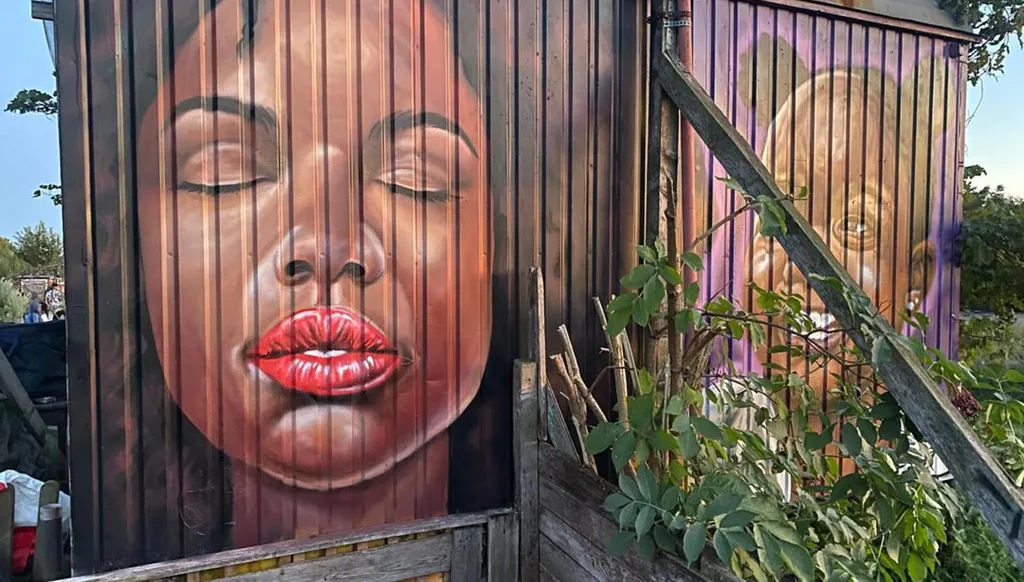
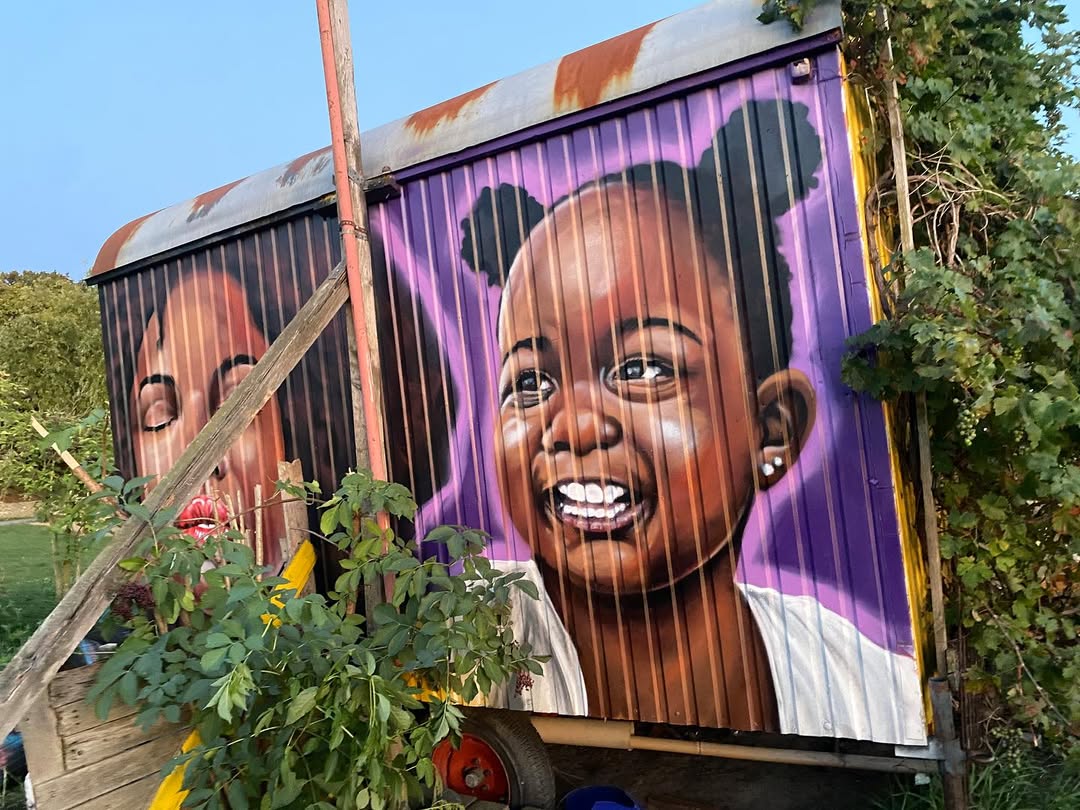
Berlin-based graffiti artist Eme Freethinker (instagram)
From Beirut to Berlin, São Paulo to Cape Town, graffiti has transformed bare walls into living canvases, carrying messages, colors, and voices that transcend borders. What began as a protest movement has evolved into a universal language, channeling social, political, and humanitarian struggles through creative energy .
Today’s graffiti is no longer just spray of paint on a hidden wall but rather a global art movement that sparks debate and attracts attention, entering museums and auction houses and drawing cultural tourists to cities around the world.
Berlin-based graffiti artist Eme Freethinker (instagram)
The movement began in New York in the 1970s, where young people from underprivileged neighborhoods used graffiti to claim identity and resist marginalization. Once considered vandalism punishable by law, it gradually earned recognition for its aesthetic value, with murals finding their place in major art exhibitions. Today, figures like Banksy and JR show that street art can grow into a universal visual language.
Europe: Murals that Speak History Berlin’s famous wall is an open-air museum that blends political slogans, faces of victims, and symbols of freedom to tell the story of a divided city now reunited.Meanwhile in Paris, Belleville’s streets reflect debates on identity and immigration, where colors merge with political poetry. London’s Shoreditch fuses industrial heritage with visual innovation, turning alleys into daily exhibitions on social justice, climate change, and urban life.
Latin America: Colors That Speak Truth São Paulo’s skyscrapers host massive murals that amplify the struggles of the poor and call for justice and environmental awareness. Bogotá has transformed its walls into colorful memory books, recounting decades of civil war through murals which feature the faces and stories of its victims.
The Middle East: Memory and Resilience Beirut’s walls tell the story of war, crisis, and resilience, with murals of martyrs, slogans of uprisings, and symbols of hope transforming the streets into living archives of collective memory. In Gaza, murals painted on rubble speak of identity and endurance, where art is inseparable from politics and everyday life—a striking testament to the city’s perseverance and unyielding spirit.
Africa: Cities Reborn in Color Cape Town blends heritage with modern energy to create street art celebrating cultural diversity. In Lagos, walls explode with life, showcasing proud African faces and city stories. The mix of tradition and modernity gives African street art a unique character, turning neighborhoods into open air museums that draw tourists worldwide.
Street art has evolved from a local expression into a global attraction. Guided tours now lead visitors through the stories behind each mural, offering an experience as memorable as visiting the Eiffel Tower or the Pyramids. Beyond visual appeal, these tours provide insight into local identities and the social, political, and cultural challenges that shape each city.
Graffiti strikes a balance between rebellion and beauty, memory and imagination. It transforms silent walls into storytellers, accessible to all without admission. Crossing continents and cultures, it mirrors universal human emotions, showing that when art takes to the streets, it becomes a shared treasure for everyone.





 Messenger
 Whatsapp
 Threads
 Email
Email
 Print
Print
 X
X
 Facebook