

Is living in Lebanon going to give you cancer?



 Messenger
 Whatsapp
 Threads
 Email
Email
 Print
Print
 X
X
 Facebook
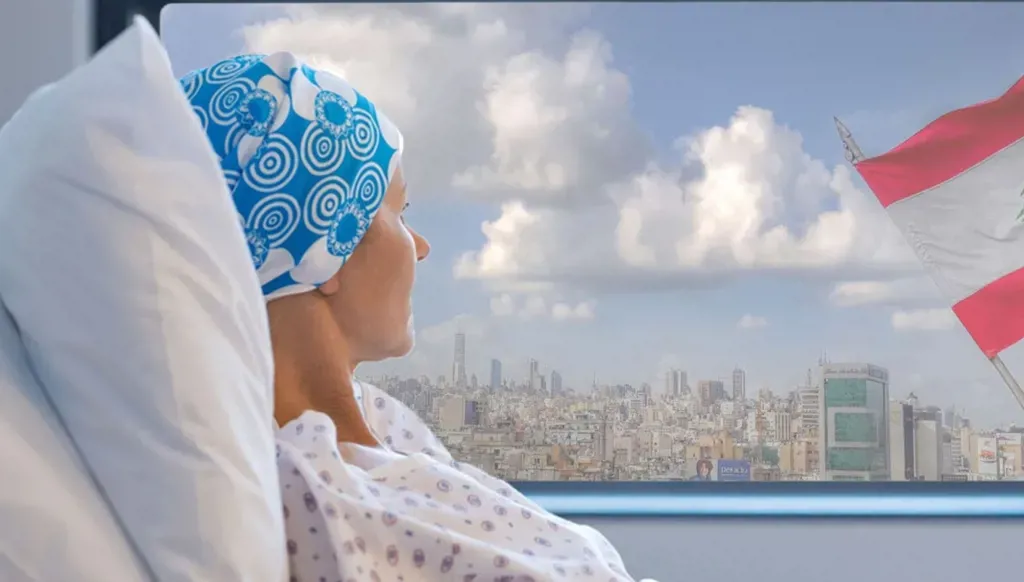


When Dr. Ali Mokdad, a professor of health metrics sciences and strategic population health manager at the University of Washington, visited Lebanon months ago to present the results of his study, he knew he was delivering more than just research papers. This was a serious health alarm. The irony? These findings were not surprising to anyone halfway involved in monitoring the health situation in the country.
For years, doctors and experts have been voicing warnings about the rapidly rising cancer rates without translating these warnings into concrete changes on the ground. Pollution continues to spread unchecked, carcinogenic pesticides keep infiltrating vegetables and food, and the electricity generators show no mercy to the lungs of the Lebanese, while the smoking ban law remains mere ink on paper, failing to enforce itself in cafés and restaurants.
In vain, we try to draw a picture of a nation as we wish it to be, while the reality shows that Lebanon has become, harshly, a silent graveyard for premature deaths. The challenge does not lie in producing or publishing information, but in the subsequent executive steps capable of rescuing the country from the cancer quagmire that has infiltrated its body to the core.
Unless those involved take serious action to address the roots of this disease, the study results published in The Lancet medical journal will not remain just a speculative scenario but will turn into a painful reality, with the possibility of cancer mortality rates soaring by up to 80 percent by 2050.
An interconnected system of health and environmental factors
The question we must begin with today is what follows receiving these figures? How can we approach the interwoven factors responsible for them in a country where health issues are often embroiled in the whirlpool of political conflict?
The head of the parliamentary health committee, Dr. Bilal Abdullah, does not hide the fact that the study results published in The Lancet align with the data available and stored at the Ministry of Health. Regardless of the accuracy of the figures mentioned, what is certain is that Lebanon is among the countries with the highest cancer incidence in the region, especially breast, prostate, and lung cancer.
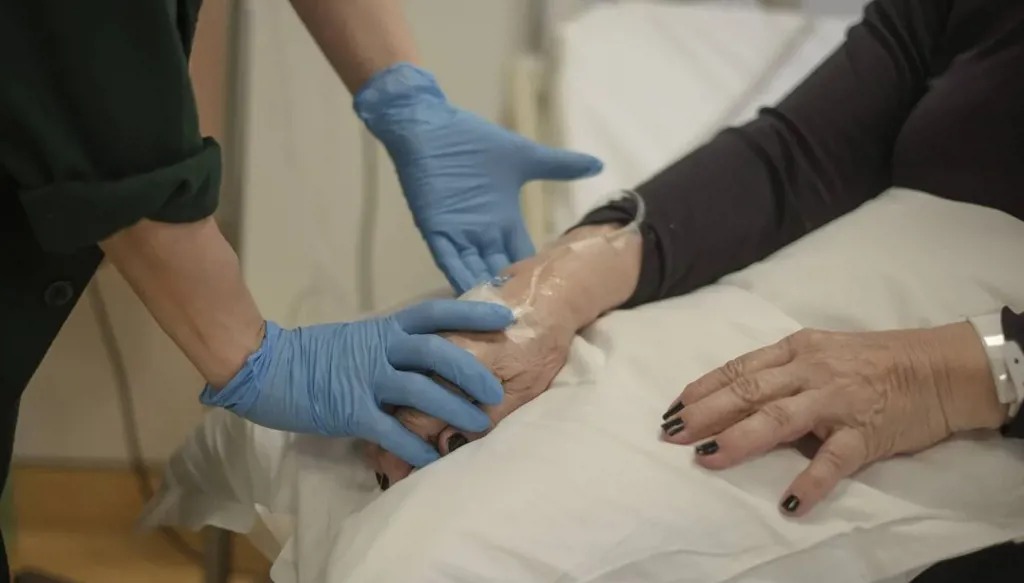
In a diagnostic approach to the reasons for the spread of cancer, the scientific readings intersect around a set of main factors behind this alarming rise, foremost among them pollution and smoking, which are today dominating the Lebanese scene. In this context, Abdullah affirms that "Lebanon ranks very high among countries with the highest tobacco consumption, in addition to the massive pollution resulting from electricity generators that invade the country in a worrying manner."
Abdullah adds that the absence or weakness of monitoring regarding the use of agricultural pesticides poses an additional risk factor, given its direct impact on food safety and the health of citizens. He concludes that Lebanon faces an interconnected system of health and environmental factors that deeply penetrate society, yet remain, overall, modifiable and preventable factors, provided that the necessary preventive policies are implemented and committed to.
In short, the state's weakness over many years has contributed to creating widespread environmental and food chaos, accompanied by a parallel disorder in drug use, especially counterfeit and smuggled ones, which have become key factors for the continuous rise in cancer rates.
The head of the parliamentary health committee acknowledges that there is "real apprehension regarding this file. Nevertheless, work is ongoing with the concerned parties to ring the alarm," adding, "While it is true that we receive the results, the reasons for where we are lie elsewhere and require a comprehensive approach at the national level with all parties involved."
In this context, the parliamentary health committee is preparing to hold a conference in the coming two months, dedicated to discussing responsibilities and ways to confront this alarming health reality, and to come up with serious recommendations that contribute to enhancing preventive medicine. Abdullah proposes a set of urgent proposals to reduce cancer-causing risk factors, most notably the activation of the Food Safety Authority and the enhancement of the National Drug Agency, alongside other measures that require serious funding and actual commitment to ensure their implementation.
According to figures from the Lebanese Ministry of Health published on its website, Lebanon recorded about 17,483 confirmed cancer cases during 2024. Yet, these figures do not reflect the complete reality, due to cases that have not been diagnosed or entered the treatment path, which means that the actual number of cases may be much higher than the announced statistics.
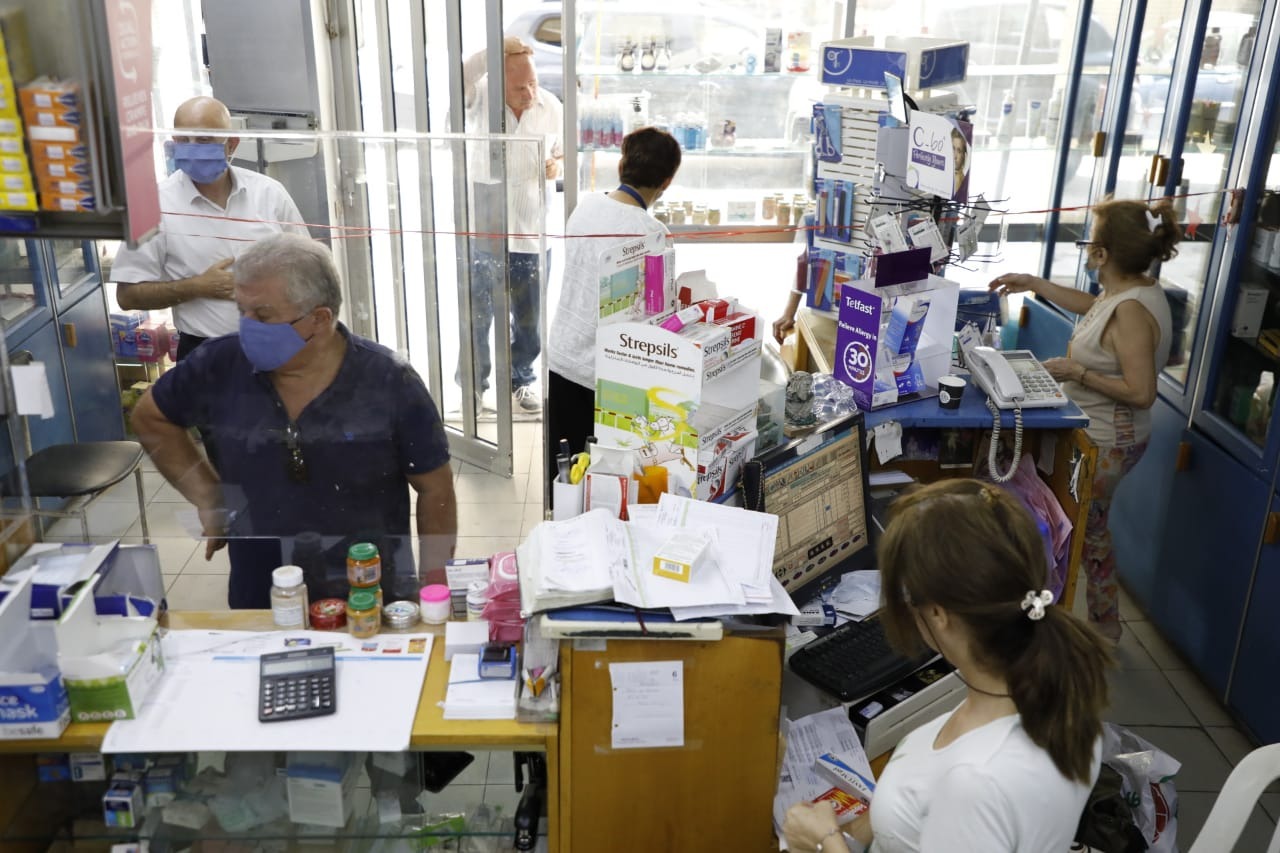
Cancer Causes Linked to Politicians' Interests
To address the cancer crisis in Lebanon, it is necessary to address and tackle the roots of the problem. But this path, according to Hani Nassar, president of the Barbara Nassar Association for Cancer Patient Support, faces a complex reality, as "most cancer causes are tied to the interests of influential politicians."
In deconstructing the risk factors, environmental pollution stands prominently, whether through sewage waste discharged into the Litani River, or industrial plants polluting water used for irrigation, transferring toxins from the environment to food.
Carcinogenic agricultural pesticides, amid a lack of oversight and rampant smuggling, pose an additional danger, clearly affecting villages adjacent to the river, where high infection rates are recorded. The risk posed by the cement factories in Salalah and Siblin, linked to mesothelioma cases among neighboring residents, is no less than those recorded in Salalah.
Furthermore, pollution from private electricity generators, estimated at about 9,000 in administrative Beirut alone, most working without filters, increases toxic emissions nationwide.
The second factor is smoking and hookah, amidst the almost complete absence of enforcing the smoking ban law in public places, making this habit socially acceptable with phrases like: "All we have left is the hookah to vent." Nassar says, "I invite them to visit our center to see the damage this habit causes to patients firsthand."
"A Cancer Growing in My Lungs"
After forty years of smoking cigarettes, Fadia Haidar, 61, found herself face-to-face with cancer. During a regular annual x-ray, as she diligently underwent, a cancerous mass was found growing in her lung. That day, the examination marked a turning point, placing her directly in front of a harsh battle with the disease.
Today, Fadia shares her story in an attempt to raise awareness about the dangers of pollution, smoking, and declining food safety, factors she believes significantly contribute to the increased risk of cancer. She recounts to An-Nahar, "The moment I was told there was a cancerous mass in my lungs was shocking. But I made a clear decision not to give up or despair." Fadia decided to go ahead with treatment, quickly undergoing surgery, marking the first step in her treatment journey.
The journey wasn't easy; each patient has their unique experience with treatment. This is what Fadia experienced during her treatment journey. She said: "I struggled a bit with chemotherapy, but immunotherapy was the hardest, causing me extreme fatigue, body aches, and a constant feeling of lethargy." Nevertheless, she constantly told herself: "God can change everything in a moment," refusing to acknowledge defeat or succumb to the thought of death.
Fadia completed her cancer treatments ten months ago, after a phase she described as filled with "ups and downs," affirming that the true nature of this struggle is only known to those who have tasted the same cup. She points out the financial burden of the treatment by saying, "I was able to afford the cost of treatment thanks to the insurance I committed to throughout my working years, but I witnessed the suffering of many in securing treatment and medications."
Fadia was determined to defeat cancer, having known this enemy well after her father contracted it twice, overcoming it both times. She admits that "this disease is strange and puzzling, as you cannot pinpoint why it grows in bodies. Some live a healthy and disciplined life and still get it, while others have unhealthy lifestyles and harmful behaviors, yet everyone remains at risk of this malignant disease." She concludes, hoping, "God willing, a day will come when cancer disappears from this world."
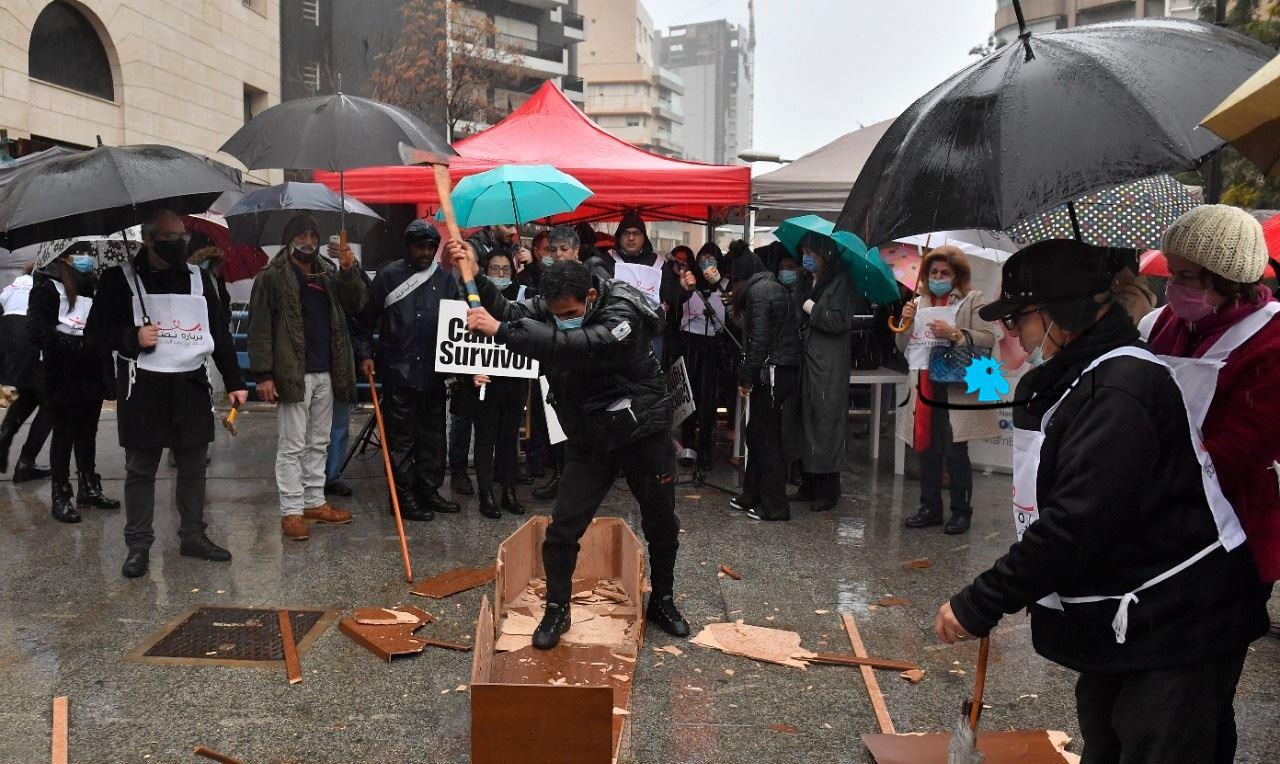
Ministry of the Interior Agrees to Access Civil Records
Head of the Blood and Oncology Department at the American University of Beirut, and chair of the committee tasked with following up on the implementation of the national cancer control plan, Dr. Arafat Tufayli, explains based on The Lancet study, which sparked widespread controversy about its accuracy, that the ongoing discussion about the reality of cancer in Lebanon mixes between two different types of data: cancer incidence from one side and death rates from it on the other.
In his conversation with An-Nahar, Tufayli stresses the need to distinguish between the indicators, starting with the number of cases, which is currently the most documented indicator. The national cancer register records it in detail. He reminds us that this register had been inactive since 2016 before it was recently reactivated, with the relaunch of its website including data for the years 2022, 2023, and 2024.
Based on this documented data, Tufayli confirms a slightly continuous increase in the number of cancer cases in Lebanon.
On the other hand, the Ministry of Health still does not have precise numbers on cancer deaths, due to previously not being able to access civil records, making the available figures partial and limited to hospital deaths alone. However, Tufayli reveals a recent development with the Ministry of the Interior agreeing to make these records accessible, a step expected to fill a crucial gap in national health statistics.
He adds that what was previously available was no more than partial numbers limited to cancer patient deaths within hospitals, which remain limited and not comprehensive, not reflecting the full national mortality reality.
Thus, he clarifies that the study published in The Lancet did not rely on verified national figures but depended on predictive models of the rise in cancer deaths in Lebanon between 2000 and 2050. These predictions are based more on analyzing risk factors that increase cancer likelihood, rather than on actual accurate data backed by complete official records.
Unpacking the Risks
The study's results uncovered that Lebanon ranks among the fastest-growing countries in cancer incidence rates globally, with an increase of 162 percent between 1990 and 2023. Despite many question marks accompanying these results as estimates rather than real numbers, the outcome requires serious and urgent handling to avoid reaching this horrific scenario, especially amid interlinked risk factors that bolster this grim destiny.
In this context, a vast array of concerns arises among a large segment of the Lebanese regarding the health implications of toxic waste and environmental pollution, especially concerning their link to the rising cancer incidence rates. This concern is based not on mere impressions but on documented facts and information whose roots trace back to the Lebanese civil war period when imported industrial chemical waste from Europe was buried in several areas.
Additionally, chronic pollution from diesel generators, extensive use of agricultural chemicals, as well as toxic residues and remnants of bombs dropped by Israel for over two years are significant environmental factors leaving long-term, cumulative effects on public health and the environment amid the absence of effective preventive and regulatory policies.
Since cancer is not linked to a single risk factor but is the result of an accumulation of several factors, the impact of each factor contributes to varying degrees in raising the probability of exposure and infection.
We approach, along with experts and doctors, a systematic breakdown of the cancer-related risk factors in Lebanon, analyzing this complex reality away from exaggeration, seeking realistic approaches and applicable solutions to combat this malignant disease that infiltrates silently and rapidly within Lebanese society.
In this context, Tufayli clarifies that the first factor highlighted in the study's results, as reflected by the Lebanese reality today, is smoking. This conclusion is not surprising but aligns with what numerous international studies have found.
This view is confirmed by Dr. Ali Mokdad, a professor of health metrics sciences and strategic population health manager at the University of Washington, as he emphasizes in his study that tobacco is the main factor and driving force for the rising cancer incidence rates in Lebanon.
Why smoking? Because, as Tufayli explains, "Cigarettes and hookah contain over 70 carcinogenic substances resulting from the burning process and charcoal use, which react among themselves producing highly toxic compounds."
The dangers of smoking are not limited to lung cancer but extend to include cancers of the larynx, nose, ear, pharynx, and even the urinary tract, expanding the health risk far beyond the common stereotype.
It is known that the younger a person starts smoking, the higher their chances of developing cancer significantly. The national cancer register clearly reflects this reality as lung cancers rank second among the most widespread cancers in Lebanon, with about 1595 cases recorded annually.
This year, the Ministry of Health launched its national campaign against lung cancer under the slogan "With Every Breath... You Lose a Life." This campaign is based on real numbers confirming the dangers of smoking. Health Minister Dr. Rakan Nasr al-Din stated during the campaign that "the numbers indicate a steady rise in lung cancer cases, along with a continuous increase in deaths, making lung cancer the leading killer among men and the second among women."
The danger is not confined to adults alone, as revealed by the Ministry of Health's study on adolescent health in Lebanon, showing that about 28% of adolescents have become smokers, placing a new generation before significant health challenges.
Global health indicators show over two million (2.2 million) new lung cancer cases annually, with about 1.8 million deaths, making it one of the deadliest cancers.
In Lebanon, the data points to a concerning increase in incidence rates, linked to the growing tobacco consumption and the spread of smoking in public places. Lebanon ranks third globally in cigarette consumption, with Lebanese consuming about 55 million cigarette packs monthly, while the economic burden of tobacco is estimated at about 1.9% of the GDP annually.
In an earlier conversation with An-Nahar, the head of the Tobacco Farmers' Union in Lebanon, Hassan Faikh, confirmed that "350 million cigarette packs were sold annually before the crisis. Today, the number has risen to between 500 and 600 million packs." As for molasses, "there is also a rise in consumption by about 5 million kilos annually by Lebanese, a 10% increase."
Air Pollution: A Hopeless Reality?
While discussing pollution, memory recalls the study led by the American University of Beirut under the leadership of chemistry professor and air pollution specialist Dr. Najat Saliba. It examined the impact of emissions from electricity generators in Beirut and observed the alarming rise in carcinogenic materials in the air. The study's results were shocking, scientifically confirming what had long been circulated without documented evidence, and what residents observe daily: a black cloud hovering over Beirut and its suburbs.
This study is the first of its kind regarding the duration of the follow-up, which spanned 13 years, and the rigorous scientific standards applied. Yet, despite its scientific weight, it failed to effect an actual breakthrough in confronting the "generator mafia" or changing its operational mechanisms.
Research did not stop there. Dr. Najat Saliba conducted another study that involved collecting samples from over 258 individuals admitted to the hospital with "heart twinges," revealing through medical tests the presence of carcinogenic materials from diesel generators and smoke, specifically polycyclic aromatic hydrocarbons, in urinary test results.
Saliba confirms that the levels of these materials were significantly higher than those recorded in other countries, providing clear evidence of their infiltration into our bodies and interaction with them. Although the body can expel some of these materials, the remaining quantities can still interact with cells, contributing to the growth of cancerous tumors.
Najat Saliba highlights that addressing air pollution exposure requires focusing on three main factors:
The first factor is quantity
The size of pollutants inhaled by a person and whether they exceed globally permitted levels, which are standards set primarily to determine health risk levels.
The second factor involves the duration of exposure
Prolonged life in a polluted environment raises cancer risks compared to limited or fleeting exposure.
The third factor lies in the body’s ability to react with these substances
Not all bodies react the same way with pollutants, making their health impact vary from one person to another.
Breathing in the face of existing pollution leads to inhaling fine particles entering the body, particularly lung cells, before finding their way into the bloodstream, where they interact with circulation and reach various organs, preparing for the emergence of cancerous tumors. Saliba describes this mechanism as a "complete interactive process. What we see with the naked eye is what we inhale as tiny particles," adding that particles smaller than 2.5 micrometers are more capable of penetrating the body and rapidly affecting lung cells, causing not only respiratory and cardiac diseases but also cancerous illnesses.
As for solutions, amid the state's inability to provide electricity, there are mitigation measures to reduce carcinogenic emissions, notably implementing directives from relevant ministries, the latest being the circular obliging generator owners to install electronic meters and filters meeting approved standards. In this framework, the Ashrafieh district succeeded in installing filters for about 400 generators, a step that reduced air pollution.
The number of diesel-powered generators has surpassed 9,000 within the administrative scope of Beirut alone, with it estimated at about 450,000 across various Lebanese regions, highlighting the dense reliance on generators by citizens due to the state's failure to supply electricity.
Israeli War Residues
Certainly, Lebanon faces a serious environmental and health challenge resulting from accumulated war remnants. In this context, Saliba explains that "the bombs and shells dropped by Israel released heavy metals into the air." Lebanon faced extremely serious exposure during 2023 and 2024 due to the extended period of exposure, the density of discharged materials, and the severity of the emitted toxins.
The greater danger today, Saliba sees, lies in war residues and remnants, particularly the demolition and debris removal operations and the resulting dust if not carried out according to the required environmental conditions and standards, potentially spreading the toxins extensively in the air. She expresses hope that the state assumes its role in monitoring contractors and ensuring their compliance with conditions during execution. She concludes that "the legislations exist, but they need to be activated and applied seriously on the ground."
In light of this disastrous environmental reality, Lebanon is exposed to additional threats from hazardous chemicals, notably white phosphorus and the herbicide "glyphosate," which are issues not only concerning vegetation but open a sensitive environmental and food file.
Conversely, the head of the Blood and Oncology Department at the American University of Beirut, Dr. Arafat Tufayli, points out two factors partly explaining the rise in recorded cases: improved early diagnosis, particularly in breast cancer, which tops the cases with about 3,800 annually, and the rising average age in Lebanon, which automatically increases the risk chances.
Regarding confrontation methods, Tufayli reveals the imminent launch of the National Cancer Program at the Ministry of Health, stressing that its success remains dependent on comprehensive governmental cooperation, involving ministries concerned with pollution, civil records, and activating laws, foremost among them the anti-smoking law. He concludes that any genuine confrontation with cancer begins first with a clear political decision addressing the root of the problem, not just its outcomes.
Challenges Facing Patients
At the patient level, significant challenges arise, most notably the seasonality of early detection campaigns. The Ministry of Health's breast cancer detection campaign, announcing the provision of 30,000 x-ray images within three months, raises questions when compared to the actual capacity of the equipped public hospitals, as the number of beneficiaries in the best scenarios does not exceed a small part of the announced number.
Based on simple calculations, if one hospital receives 15 women daily for x-rays over 60 days or 3 months, the number of beneficiaries won't exceed 1,000 per hospital, a number much less than the announced figure.
Starting from this, Nassar believes that distributing the budget over the year and fulfilling the promises to equip hospitals are actual entrances for early diagnosis.
The suffering worsens with the high initial cost of diagnosis, as patients must pay about $2,000 for the necessary tests before any coverage from the Ministry of Public Health, creating a barrier for many patients and leading to treatment delays.
Despite the increased health ministry budget and expanded treatment protocols, affirming that the file rejection rate doesn't exceed 6 percent, many patients still struggle to secure drugs not covered. In this context, the Barbara Nassar Association supported about 2,000 patients during 2025, distributing drugs worth over two million dollars in just one year.
In the same framework, the Ministry of Health confirmed raising spending on cancer drugs from $32 million in 2024 to $103 million in 2025, managing to secure 200,000 drug packs in 2025 compared to securing 64,000 packs in 2024.
In conclusion, Nassar emphasizes that confronting cancer in Lebanon remains reliant on a clear political decision, forming the main gateway to transition from crisis management to a real prevention and healing path.