

Inside Trump’s Peace Council: Power, veto, and a redefined role in global conflicts


 Messenger
 Whatsapp
 Threads
 Email
Email
 Print
Print
 X
X
 Facebook
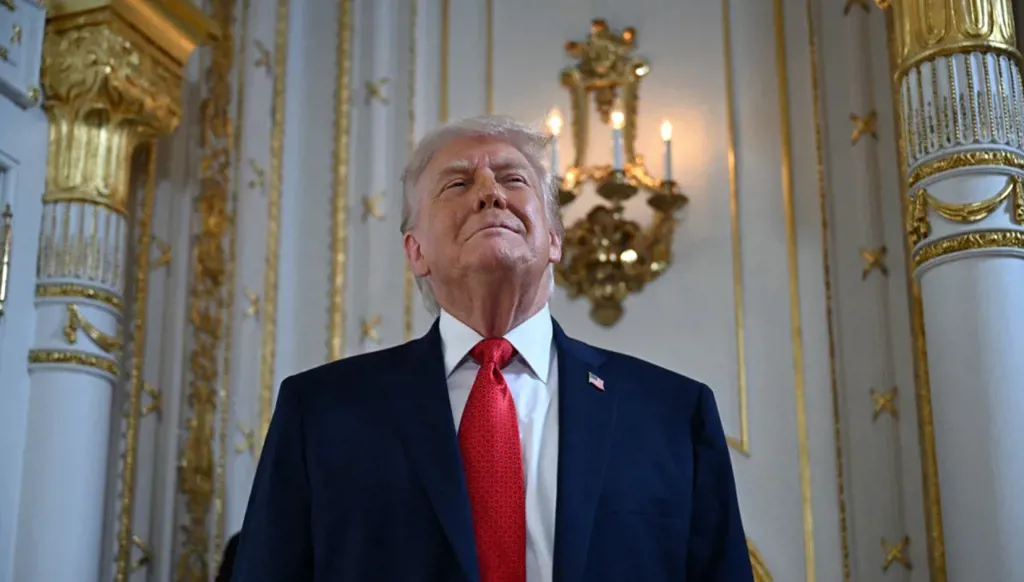


The 'Peace Council' announced by U.S. President Donald Trump on Friday, as part of the second phase of his plan for Gaza, has sparked a flood of questions about the role assigned to this council. Particularly since some aspects of the announcement include a role extending beyond Gaza to international conflicts, appearing as an attempt by Trump to create an alternative to the existing United Nations, which he never hid his disdain for.
As president of the council, Trump concentrated most powers in his hands. He decides who qualifies as a member and divided membership into two categories: regular membership for three years and permanent membership for which countries are required to pay a billion-dollar entry fee, without specifying where exactly these funds will go. It will be his sole right to manage these. Decisions in the council are made by voting, however, Trump retains the right to veto. A two-thirds majority is required to override this veto.
While the founding charter does not mention Gaza, the White House quickly clarified on Sunday that the council is part of Trump's plan to oversee the rebuilding of the Gaza Strip. However, invitations to leaders from countries far from the Israeli-Palestinian conflict led some to speculate that the U.S. president intends to use the council to address other international conflicts, such as Ukraine and Sudan. In addition to leaders from Egypt, Jordan, Israel, Turkey, France, the United Kingdom, Hungary, Russia, and Italy, invitations were also extended to India, Kazakhstan, and Argentina.
The charter stated that the mission of the 'Peace Council' is to 'promote stability, restore dependable rule of law, and secure lasting peace in areas affected or threatened by conflict.' It also emphasized 'the need for a smarter and more effective international body for peacebuilding' and called for 'an alliance of willing nations committed to practical cooperation and effective action.'
This appeared as an implicit criticism of the UN and its handling of the Middle East conflict or other crises.
An offshoot of the 'Peace Council' is the 'Founding Executive Council,' which included Secretary of State Marco Rubio, Jared Kushner the president's son-in-law, envoy Steve Witkoff, Deputy National Security Advisor Robert Gabriel, World Bank President Ajay Banga, and billionaire Marc Rowan, with British Prime Minister Tony Blair being the only non-American member.
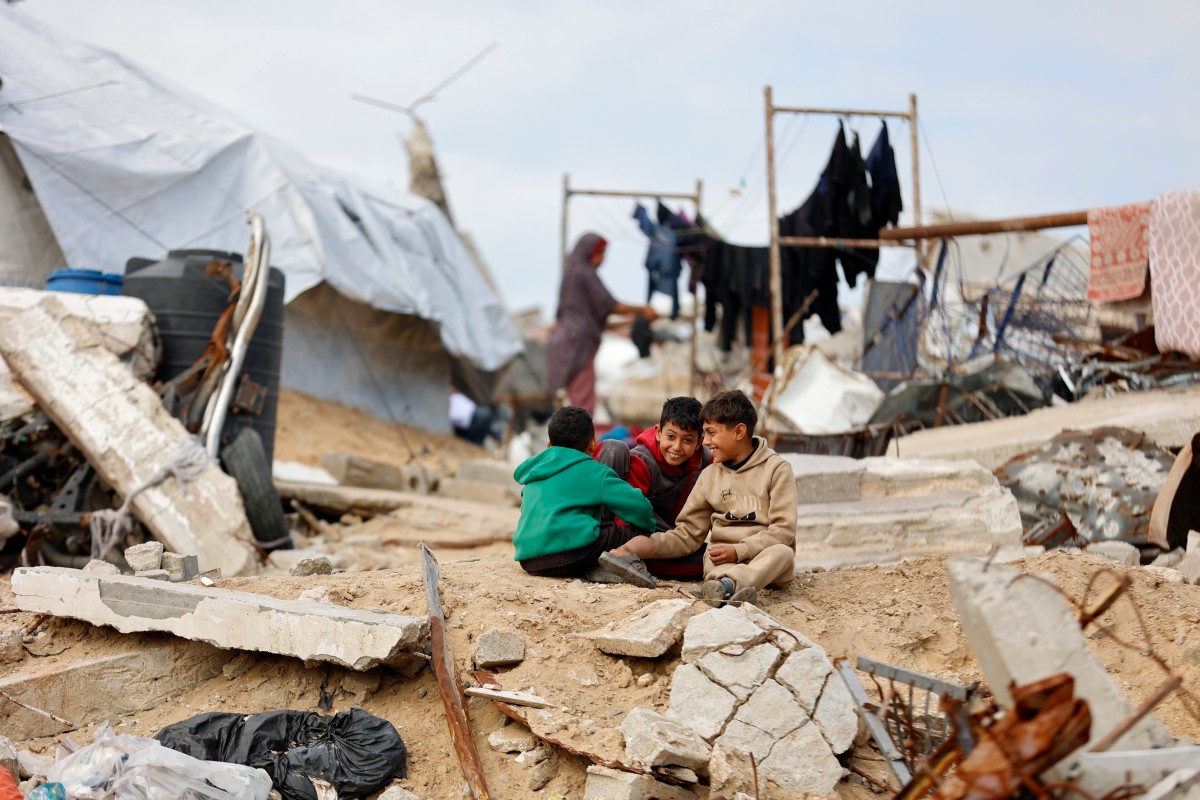
Another branch is the 'Gaza Executive Council,' which includes Kushner, Witkoff, Blair, Turkish Foreign Minister Hakan Fidan, and Qatari diplomat Ali Al-Zawadi.
Israeli Prime Minister Benjamin Netanyahu's office quickly objected publicly to the inclusion of Turkey and Qatar in the 'Gaza Executive Council.' They stated that the announcement of this body 'was not coordinated with Israel,' and 'doesn't align with its policies.' Israel views Turkey and Qatar as key supporters of Hamas.
Notably, none of the mentioned councils include any Palestinians, while Bulgarian diplomat Nikolay Mladenov has been tasked with coordinating between these bodies and the 'National Committee for Gaza Management' which includes Palestinian technocrats.
European countries have not shown enthusiasm for Trump's move, despite their sensitivity that the 'Peace Council' might turn into an alternative to the United Nations. Nonetheless, these countries prefer not to provoke the U.S. president at a moment when relations with the United States are increasingly tense, particularly due to Trump's insistence on controlling Denmark's Greenland and the White House's threat of a 10% tariff increase on eight European countries starting February 1 due to their opposition to the island joining America.