Netanyahu's road to Florida is paved with doubts... Trump is showing signs of impatience


شارك على
 مسنجر
مسنجر
 واتساب
 ثريدز
ثريدز
 بريد إلكتروني
 الطباعة
شارك على


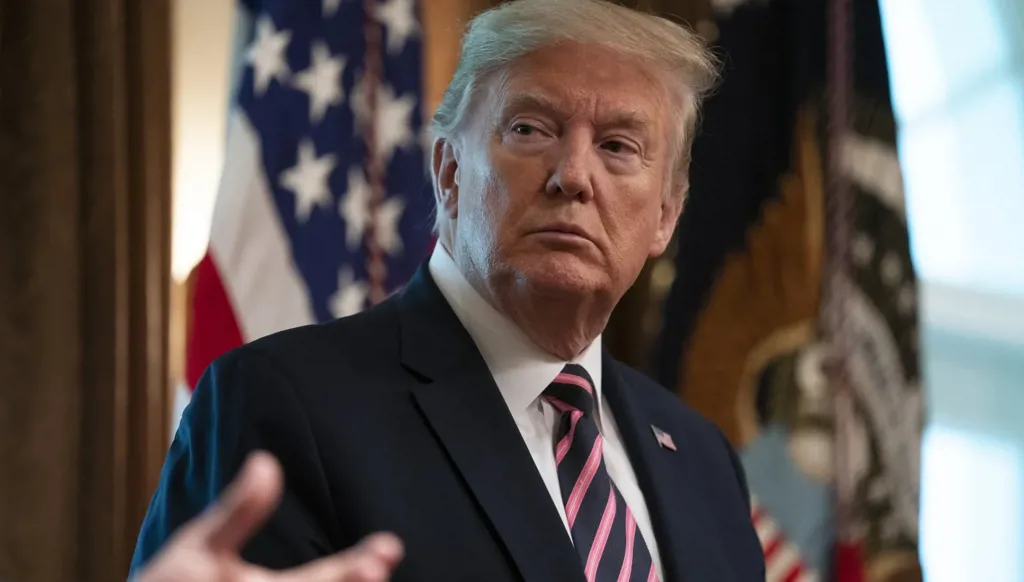


As soon as U.S. President Donald Trump says that the United States is looking into whether Israel's assassination of the prominent Hamas leader Raed Saad in Gaza on Saturday constitutes a violation of the ceasefire, it implicitly indicates American dissatisfaction with Israeli Prime Minister Benjamin Netanyahu's action, which could lead to the complete collapse of the Gaza truce.
The assassination of Saad was not the sole source of tension between Trump and Netanyahu.
U.S. officials had previously turned a blind eye to past Israeli violations of the ceasefire or pretended to understand the excuses Netanyahu offers for continuing the bombardment in Gaza.
However, Trump, who prides himself on halting eight wars worldwide, will not permit the truce in the Middle East to collapse and the war to resume there, similar to what is happening between Cambodia and Thailand, and between the Democratic Republic of the Congo and Rwanda, thus challenging his credibility.
Resuming the war in Gaza endangers Trump's entire Middle Eastern agenda and undermines his claim of being a "peace president," rather than one who manages wars globally.
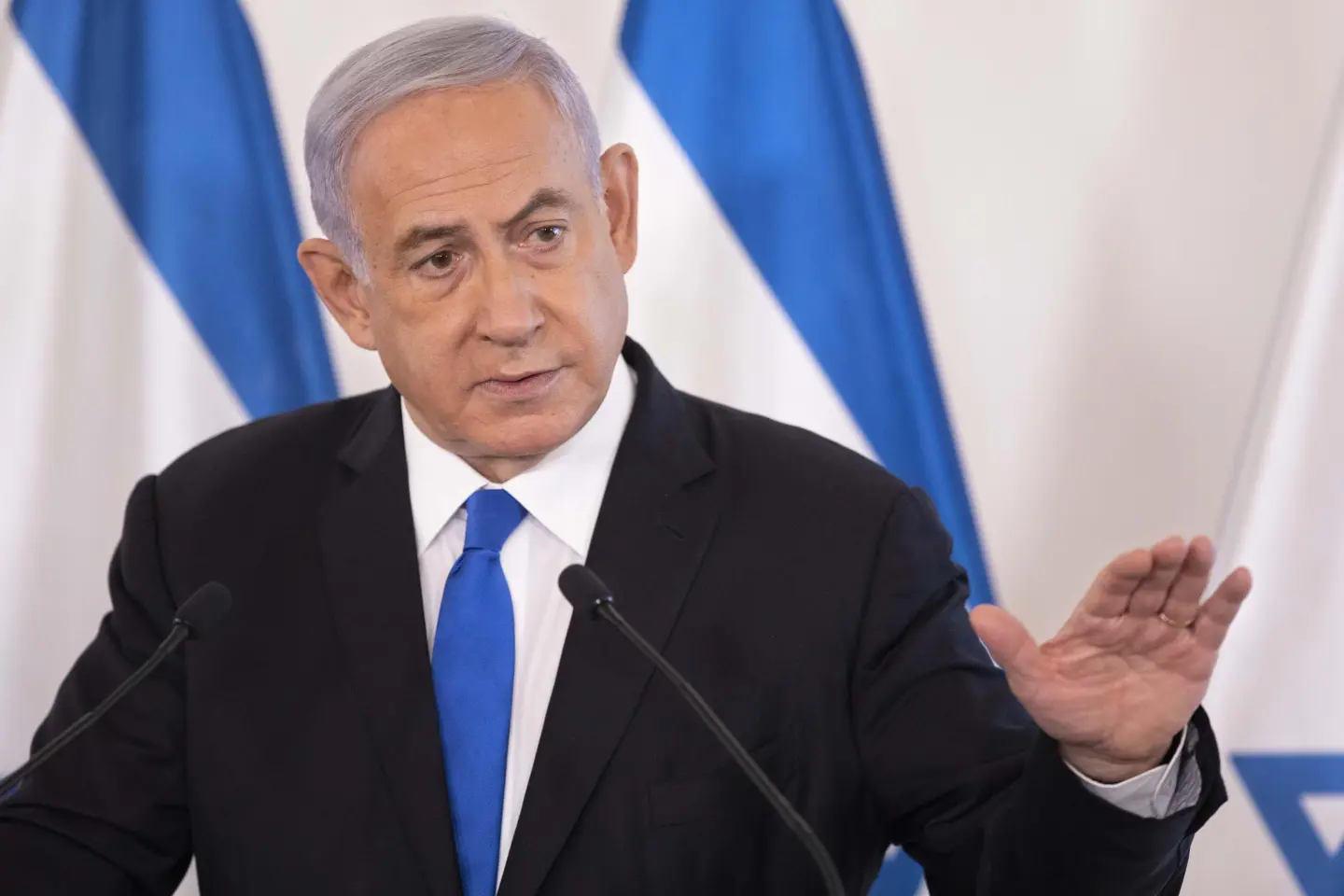
Against this background fraught with doubts, Trump dispatched U.S. Ambassador to Ankara, Tom Barrack, to Israel on Monday, in an attempt to curb Netanyahu's rush to undermine the ceasefire and resume the full-scale war in Gaza, as occurred in two previous truces during Joe Biden's presidency.
Trump has started noticing Israeli dissatisfaction with the U.S.
administration's determination to move on to the second phase of the Gaza plan. The White House finds no convincing reason for the Israeli government to reject Turkey's participation in the international stabilization force.
In contrast, Washington believes that Turkish participation may encourage other countries to join this force, which the fate of the U.S. plan relies on entirely.
Trump wagers on the good relations between Turkey and Hamas, hoping the movement will show flexibility regarding disarmament, a measure that facilitates access to the rest of the plan’s provisions, including the Israeli withdrawal to a narrower strip of the border, starting reconstruction, and creating favorable regional conditions to advance toward regional peace.
Attention should be paid to Trump’s remarks on Monday about the international force for Gaza having begun its work and that other countries will join it. This practically means announcing the transition to the second phase of the U.S. plan.
Where does Netanyahu stand in Trump's vision?
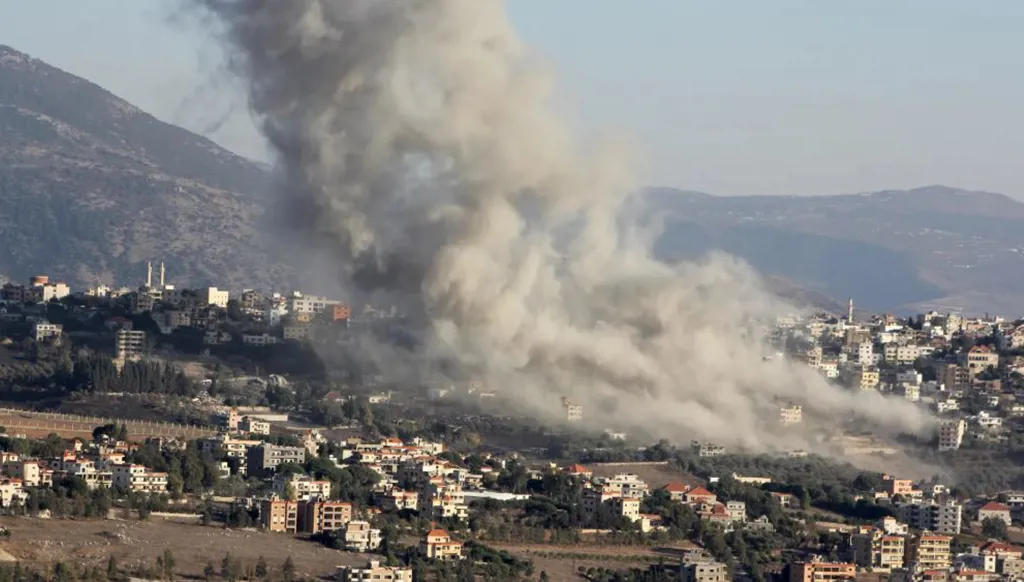
The facts, after more than two months of the Gaza ceasefire, indicate that Netanyahu, who reluctantly accepted the cessation of the war, has not shown commitment to the ceasefire. Israeli attacks continued, albeit at a lower rate than before October 10, and Israel has not allowed the Rafah crossing to open for humanitarian aid, while proceeding with measures to annex the West Bank by de facto.
In addition to Gaza, American officials do not hide their surprise at Israel's escalation into Syrian territories, endangering Syrian President Ahmed Al-Shara’s U.S.-backed efforts to consolidate his rule.
There is American discontent with Israel's refusal to withdraw from territories occupied following the fall of Bashar al-Assad's regime on December 8 last year, hindering a security agreement between Damascus and Tel Aviv that would later pave the way for Syria to join the Abraham Accords.
At the same time, Washington sees no need to resume the war on Lebanon, as the Israeli government suggests.
The escalation in Gaza, Lebanon, and Syria prompts U.S. officials to wonder whether Netanyahu really wants to proceed with Trump's agenda or if he believes that the time has come to resume the eternal wars.
This question is expected to be answered by Netanyahu at the Florida summit with Trump on December 29.
العلامات الدالة
الأكثر قراءة