

The Middle East under the lens of the new US National Security Strategy


 Messenger
 Whatsapp
 Threads
 Email
Email
 Print
Print
 X
X
 Facebook
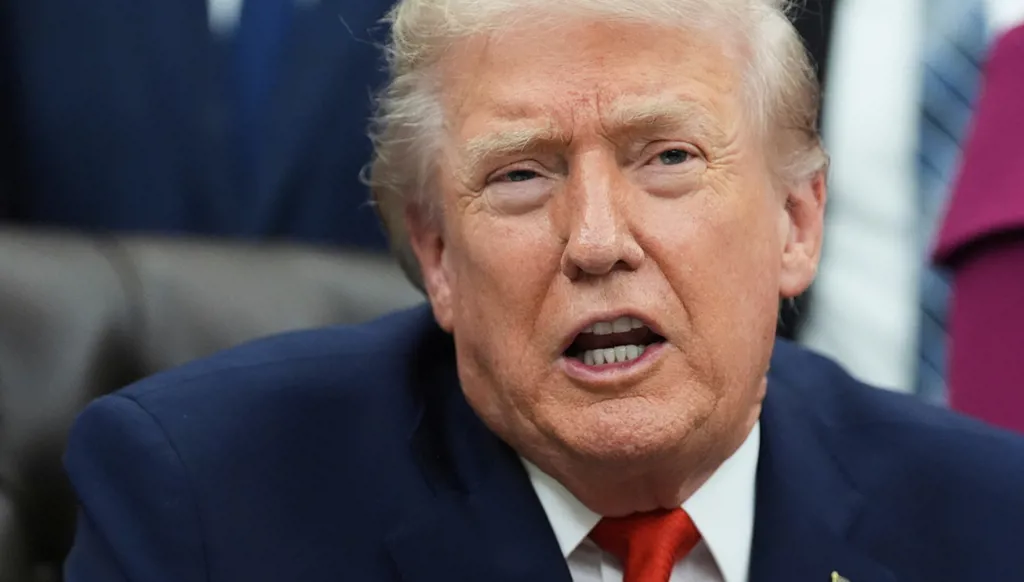


The administration of US President Donald Trump announced the new US national security strategy on December 4, 2025, closing the chapter on the previous strategy of 2022.
The 33-page plan includes a roadmap different from its predecessor, particularly concerning foreign policy pillars in Europe and the Middle East. The primary goal is to maintain military, technological, and economic superiority, keeping the United States as the greatest country in history (as the plan states verbatim).
While the most standout feature of the new strategy emerged in its approach to relations with European allies, emphasizing their responsibility in the partnership and describing the continent as in constant decline. However, the features of the new American security policy towards the Middle East are no less significant, presenting choices different from before. It acknowledges that the region is no longer the primary source of fossil energy nor as competitive as it once was, although maintaining the security of Israel remains a priority in the new American approach, as has always been the case.
The strategy refers to Arab allies whose relations with the United States can be relied upon to serve American trade interests and to help establish a virtual security barrier between rising Eastern powers, specifically China, that oppose US policy, and the so-called free world (or the West), according to the document The strategy mentions several Gulf countries, despite their maintained balanced relations with major Asian powers, preserving some leeway amidst ongoing international tensions.
Notably, the strategy addressing the Middle East announces abandoning regime change in favor of deterrence against forces that may challenge the public order or threaten American interests, using affordable advanced "Lucas" drones from afar, without increasing financial expenses on ground and naval military interventions or unnecessary military bases. This reference clearly targets Iran, among other groups or countries that might threaten Israel's security in the future.
The new U.S. strategy does not outline any approach toward a political settlement, nor does it address a peace process or mention a Palestinian state. Instead, it discusses a solution for managing the Gaza Strip consistent with the ceasefire project enforced by President Trump. This is concerning as it does not consider Palestinians' legitimate rights nor address Arab aspirations to implement a settlement project based on the principle of land for peace. Thus, the American stance does not accommodate the allies mentioned in the plan, most of whom agreed at the recent Gulf Manama summit on resolving the crisis by establishing an independent Palestinian state with East Jerusalem as its capital, in exchange for activating the Abraham Accords and the process of normalization and peace.
The “America First” strategy, implemented through a flexible and pragmatic policy that avoids heavy financial burdens and achieves objectives at minimal cost by striking enemies from a distance using advanced aircraft, may not align with the realities of Arab and Middle Eastern states in general. Washington is a key player in the region's crises and provides necessary support to Israel. This position detracts from U.S. neutrality in the ongoing conflict, carrying responsibility for major disruptions due to continued Israeli aggression against Palestinians and neighboring peoples. The American strategy cannot overlook this position, as approaching the American stance related to the region's diminished oil wealth importance necessitates adopting a new peaceful approach concerning the Palestinian issue and curbing Israel's alarming tendencies.
The United States seeks to preserve its strategic influence in the region, given the role of such influence in reinforcing its international standing. However, this does not align with the new visions that will alter the rules of the game, resorting to remote military intervention and reassessing military aids and grants. Meanwhile, its policy foundations towards Israel will remain steadfast in providing substantial support and supplying it with the latest advanced American weapon innovations, ensuring its military superiority over neighboring countries.
A frank dialogue is needed between Arabs and policymakers of the greatest state.
-The approach presented does not necessarily reflect the views of Annahar Media Group.