

Inside Trump’s Peace Council: The quiet erosion of global governance


 Messenger
 Whatsapp
 Threads
 Email
Email
 Print
Print
 X
X
 Facebook
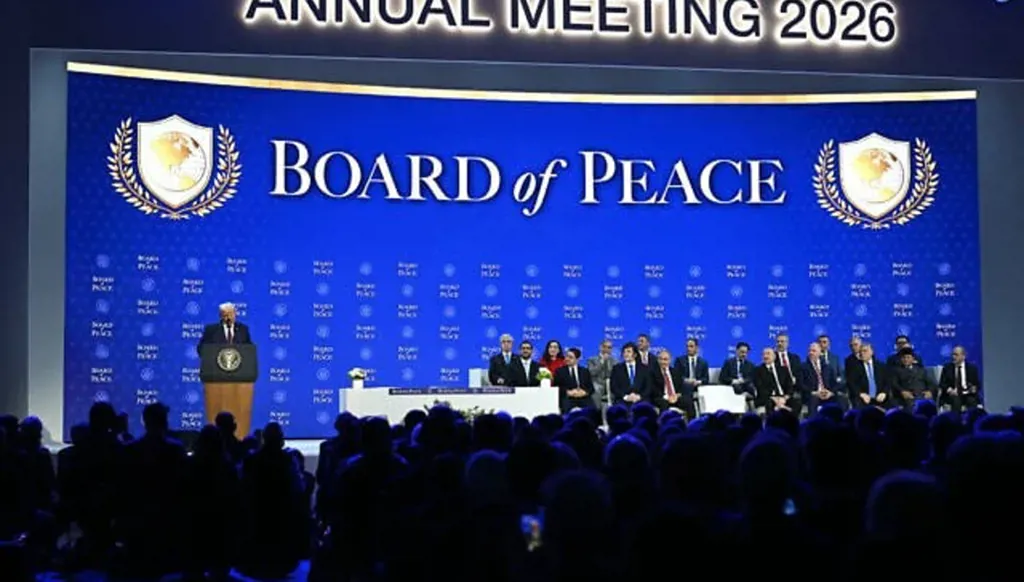


Dag Hammarskjöld, former UN Secretary-General, once said that "the United Nations was not created to take people to heaven, but to save them from hell." We may soon lose this safety net. When institutions become "decor" for transactional deals, their preventive role diminishes, and threats become increasingly pressing.
Institutional orders generally arise from open wounds—wars on the cusp of exhaustion—then expand under the pressure of interests until their facade outlasts the mission that made them useful in the first place.
Thus appeared the "Peace Council" proposed by U.S. President Donald Trump. It began ostensibly as a post-war management tool in Gaza, but appears to be gradually transforming into a parallel international organization—lending legitimacy to a select "club" led by Washington, in which the voice of power outweighs the law.
The story begins with Security Council Resolution 2803 regarding Gaza arrangements. From a purely legal perspective, there is nothing astonishing; the UN has approved transitional arrangements in exceptional crises throughout its history. But if Gaza's mandate is used as a bridge to launch a new charter, we face a transition from an discreet solution to a governance model, and from a mechanism to a system. We may soon have to ask unthinkable questions. Without the laws of the UN charter, who has the final say in peace and war? Who has the right to change borders?
Trump has hinted on multiple occasions that the Council might assume functions traditionally attributed to the UN, even openly expressing the Council's ability to "do largely what we want… in conjunction with the United Nations."
Such statements cannot only be seen as domestic rhetoric; they are key to understanding the dilemma: Are we facing an institution "nested" within a limited UN mandate, or will the US find a reason to redefine, expand, and eventually supersede that mandate?
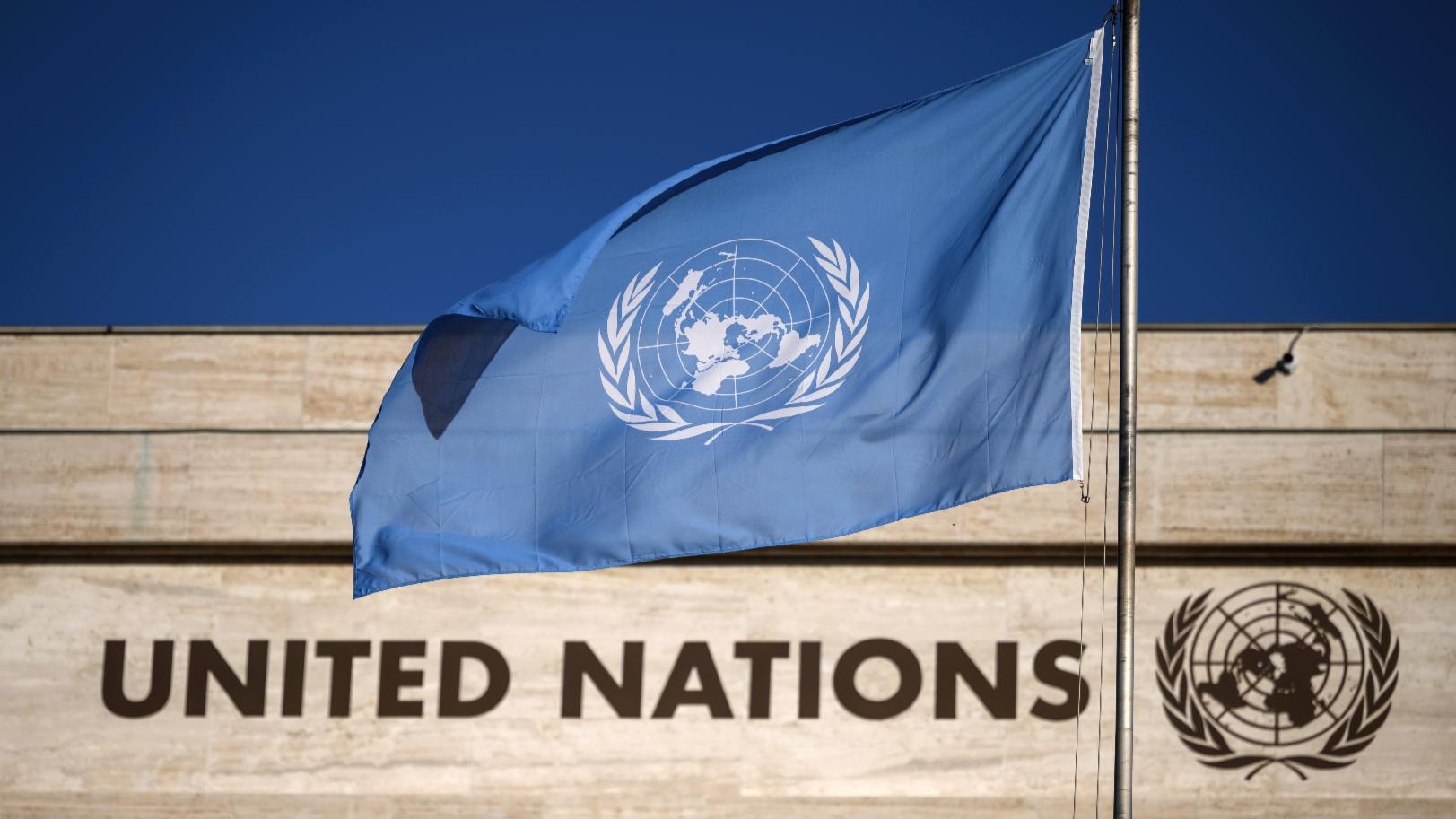
The legitimacy of the international system since 1945 relies on a well-known triangle: international law, which limits the use of force and affirms sovereignty and self-determination; multilateral institutions, which make solutions generalizable; and procedural legitimacy, which produces trust through inclusivity and transparency. The problem with the "Peace Council," in its current form, is that it puts this triangle to a severe test: it borrows legitimacy from a Security Council resolution, yet—according to widespread concerns—seeks to retain executive decision-making far from UN constraints, while opening the door to "club governance" managed by the logic of deals rather than rules.
The most striking aspect of this new governance is the idea of "entry for payment." If membership is granted on the condition of financial contributions, we are effectively shifting from "one state, one vote" to the old logic of dominance: influence weighted by financial capacity and proximity to the center of power.
While it is widely acknowledged that the UN has suffered from structural imbalances—veto rights, enforcement disparities, limited resources, politicized funding. But the organization’s poor performance has fundamentally stemmed from the United States and its allies misusing veto powers and leveraging their financial might. International law is not a moral luxury; it is a necessary condition for global peace. When constraints are weakened, the cost of deviation drops, and decisions are made arbitrarily, producing broader international conflicts than those we see today.
Researchers identify three paths by which the "Peace Council" could become more than a title. First, it could gradually replace the UN’s practical role, with disputes referred to the council rather than established UN channels, and funds and political attention shifting to the new platform. Second, it could weaken legal constraints, establishing a precedent that "legitimacy is bought," or that guardianship is treated as a political-financial contract rather than a framework grounded in peoples’ rights and guarantees of self-determination. Third, it could imprint a model of competing "clubs," where major powers select decision-making platforms according to their preferences, rendering the UN one arena among many others, rather than a unifying core.
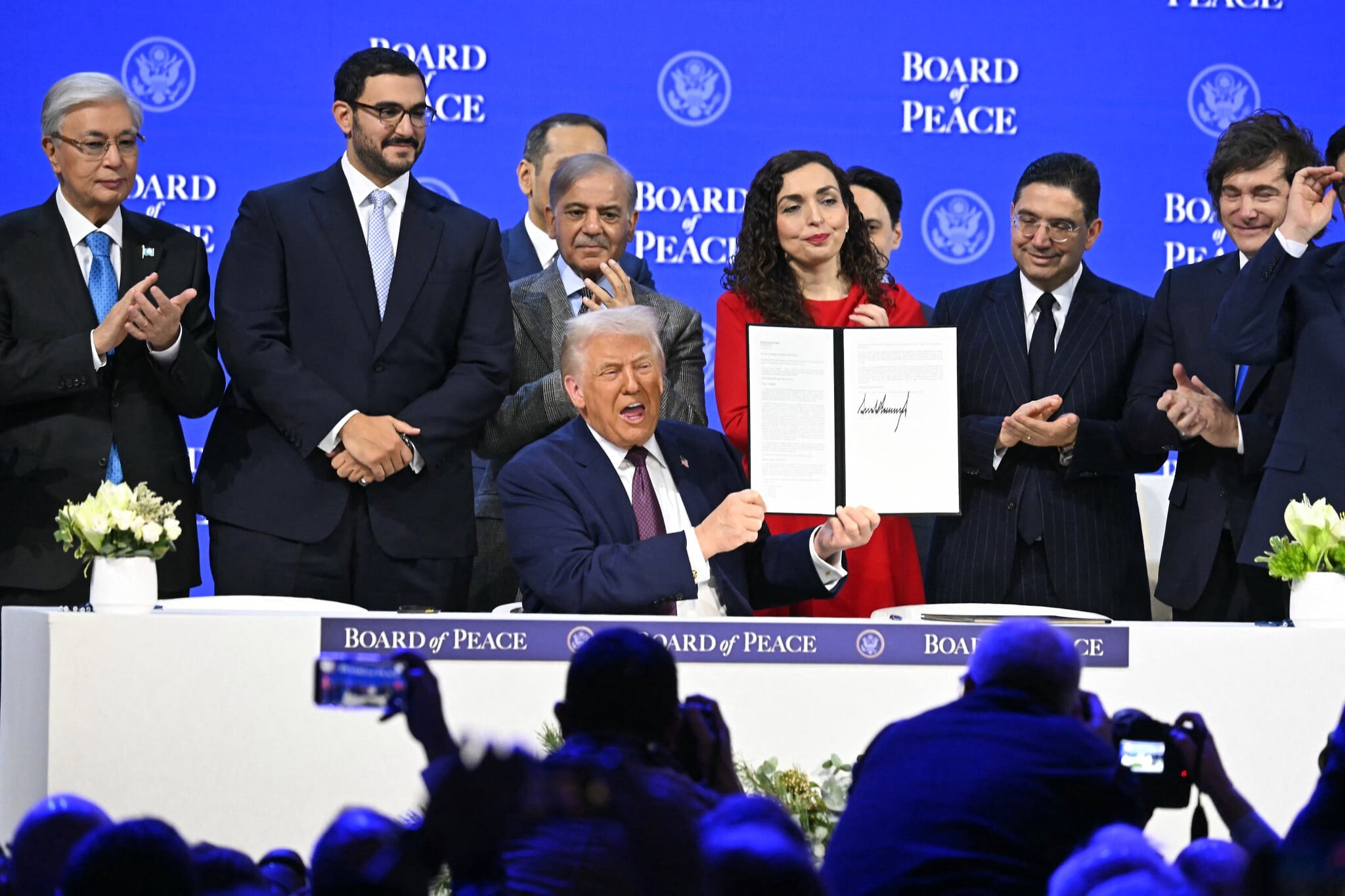
Today’s world differs from the early 20th century's hard power competition; nuclear deterrence, broader institutional networks, and economic codependence make fundamental crackups less likely. And yet, structural similarities appear in alarmingly familiar ways: Trump’s unchecked drive to generate formal legitimacy, a tendency toward temporary arrangements that bypass inclusive institutions, and growing institutional and economic fragmentation.
Europe's response has been fragmented. Some countries refuse to engage, hoping not to legitimize a competing structure, while others engage conditionally, trying to impose governance guarantees that keep the council's mandate within its Gaza focus, prevent the concentration of power, and require transparent reporting and UN oversight. It is an effort to keep the new institution inside the old house.
When the stakes are this high, changing institutions amounts to playing at the edge of a cliff. It is a perilous path for all humanity: a quiet transition from a world governed by rules to a world of clubs, and from legitimacy created through procedure to legitimacy rented through deals. In international politics, the most dangerous shifts are those that happen without noise.
Disclaimer: The opinions expressed by the writers are their own and do not necessarily represent the views of Annahar.