

Beyond Oil: How the Strait of Hormuz Crisis Drives Up Everything
From fuel and food to electronics and electricity, experts warn of a 30–50% rise in everyday expenses as prolonged disruptions ripple across the world.


 Messenger
 Whatsapp
 Threads
 Email
Email
 Print
Print
 X
X
 Facebook
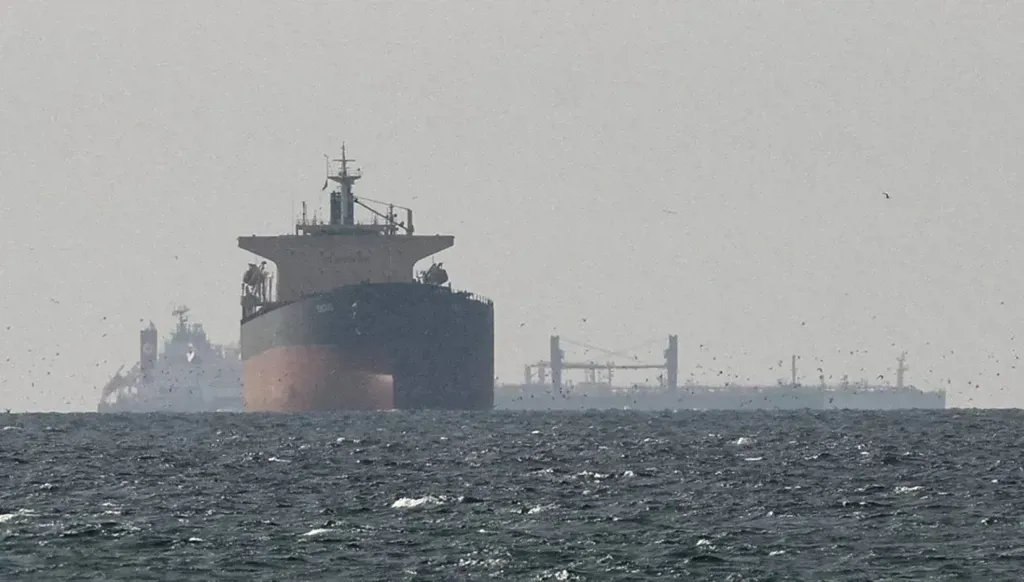


If the closure of the Strait of Hormuz continues for an extended period, it will no longer remain just a piece of news in the political or economic sections; instead, it will gradually bring tangible changes to daily life—affecting car fuel, food prices, electricity bills, the cost of electronics, and even shopping and storage habits.
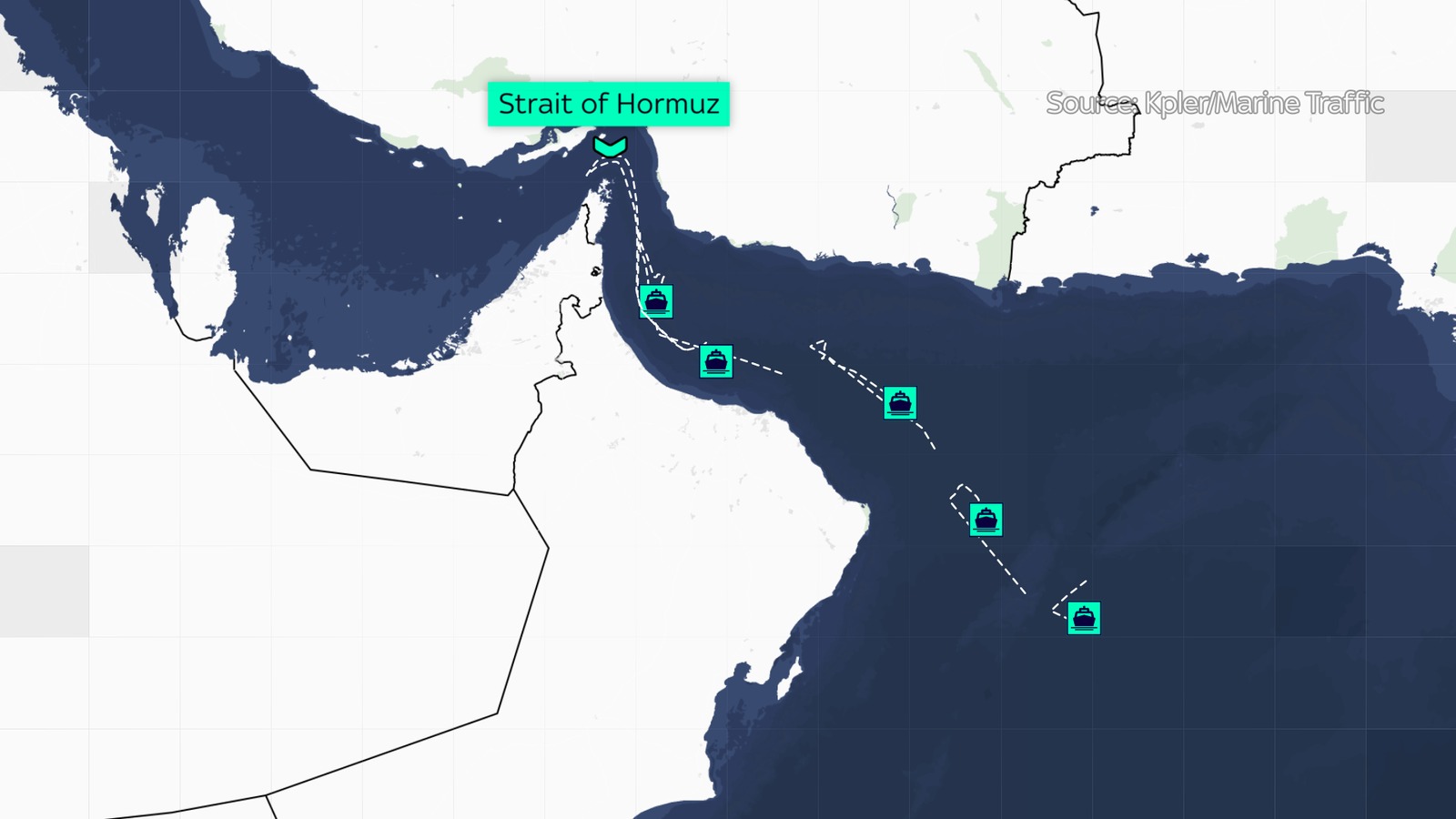
This narrow strait handles about a fifth of the world’s oil trade, along with vast amounts of gas and goods from Asia. When this crucial artery is disrupted, the impact is felt not only by oil-producing nations but also by importing countries and ordinary people first.
First: Gasoline and transport
The first thing people usually notice is the rising cost of fuel. If the flow of oil from the Gulf is disrupted, global prices climb immediately, along with higher shipping and insurance costs, which in turn push fuel prices up for importing countries.
The typical scenario in such cases begins with a gradual rise in gasoline prices, followed by shortages at some stations, long queues, and eventually rationed sales. People’s daily routines change as well: driving less, consolidating errands into a single trip, and relying more on public transport.
Second: Food and basic goods
The greatest impact does not come from shortages of goods, but from the cost of transporting them. As fuel prices and maritime insurance rise, so do shipping costs, which in turn drive up prices for most imported goods, particularly:
•Rice
•Sugar
•Oils
•Wheat
•Canned goods
•Coffee and tea
•Imported meats
There is a rule governing this: transport and energy account for between 4 and 10% of food prices. In previous crises, the prices of these items rose by 10 to 40%, led by vegetable oils and meats, which depend heavily on shipping, refrigeration, energy, and processing—making them more sensitive to oil price hikes than staples like rice and sugar.
Prices may not rise all at once but tend to increase gradually, week by week. Some goods may temporarily vanish from the market due to shipment delays, prompting people to hoard, which adds further pressure and pushes prices even higher.
Third: Winter supplies and energy
If the strait remains closed for months, the impact on energy and winter supplies becomes clear. Diesel and gas are directly tied to oil prices, and as they rise, the costs of heating, private electricity, and generators also increase.
Prices also rise:
•Batteries
•Inverters
•Solar panels
•Firewood
•Gas cylinders
Not only because of energy, but also because most of this equipment is manufactured in Asia and transported by sea, meaning higher shipping costs are directly reflected in their market prices.
Fourth: Electronics and cars
Any device from China, Korea, Japan, or India will be affected, as maritime trade becomes slower, costlier, and riskier. This translates into higher prices for:
•Mobile phones
•Refrigerators
•Washing machines
•Computers
•Cars
•Car parts
will gradually rise, not only due to shortages but also because of higher transport and insurance costs. Electronics are expected to increase by 15 to 40%, meaning a mobile phone that costs $1,000 could reach $1,200. Car prices and parts may climb by 20 to 50%.
Fifth: Electricity
With global oil and gas prices rising, electricity production costs are expected to increase by 30 to 50% in most countries, particularly those relying on private generators or fuel oil. This translates into higher electricity bills—whether from the state or private sources—and increased per‑kilowatt costs, placing a heavier burden on households.
How does daily life change?
If the closure of the Strait of Hormuz continues, its impact is felt not as a single shock but through a series of gradual changes in daily life, typically beginning with:
•Rising gasoline prices
•Rising supermarket prices
•Rising electricity and generator bills
•Rising electronics prices
•Delayed shipping and orders
Over time, people’s behaviors shift: consumption drops, hoarding rises, big purchases are postponed, and daily conversations focus on prices, fuel, and electricity—not just politics and war.
Conclusion
A prolonged closure of the Strait of Hormuz doesn’t just signal a global oil crisis or military tensions in the Gulf; it also brings something more immediate and tangible: rising daily living costs—from fuel and food to electricity and electronics—essentially, higher overall expenses.
Experts estimate that living costs could increase by 30 to 50%. While strong economies may absorb this rise, weaker ones could struggle, putting their social safety nets at serious risk.