

2,500 ships stuck at sea: How delays at the Strait of Hormuz ripple through global markets
Thousands of traders are left waiting as shipments remain stranded, driving up costs and leaving markets in limbo.


 Messenger
 Whatsapp
 Threads
 Email
Email
 Print
Print
 X
X
 Facebook


"Abu Kareem" doesn’t start his day by reading the news or checking the dollar exchange rate. These days, he starts by opening the maritime shipment tracking app on his phone. He studies the map carefully, looking for the ship carrying the container with his goods shipped from East Asia. The blue dot has stayed in the same spot for 20 days—it hasn’t moved.
Abu Kareem told Annahar: "My goods were supposed to arrive two weeks ago. I paid for them, borrowed money to cover them, and rented a warehouse to store them… and today, neither have the goods arrived, nor do I know when they will. And if they do arrive, I don’t know how much extra shipping costs I will have to pay, and I don’t know how to minimize my losses."
Abu Kareem isn’t a major trader; he is a small importer of household items. He ordered a shipment months ago when shipping costs were reasonable, and the sea journey normally takes about ten days. Today, more than 25 days have passed, and the ship still hasn’t arrived. Every additional day of delay means another loss: "I have to pay $1,200 in warehouse rent and repay debts of over $10,000 because I borrowed to pay for the shipment. The season I planned to sell in is almost over, and the market may be flooded with other goods before mine arrive."
He adds: "The problem isn’t just that the goods are delayed. The problem is that I can’t sell, I can’t buy new goods, and I don’t know how to price my products when they arrive. Everything is in limbo."
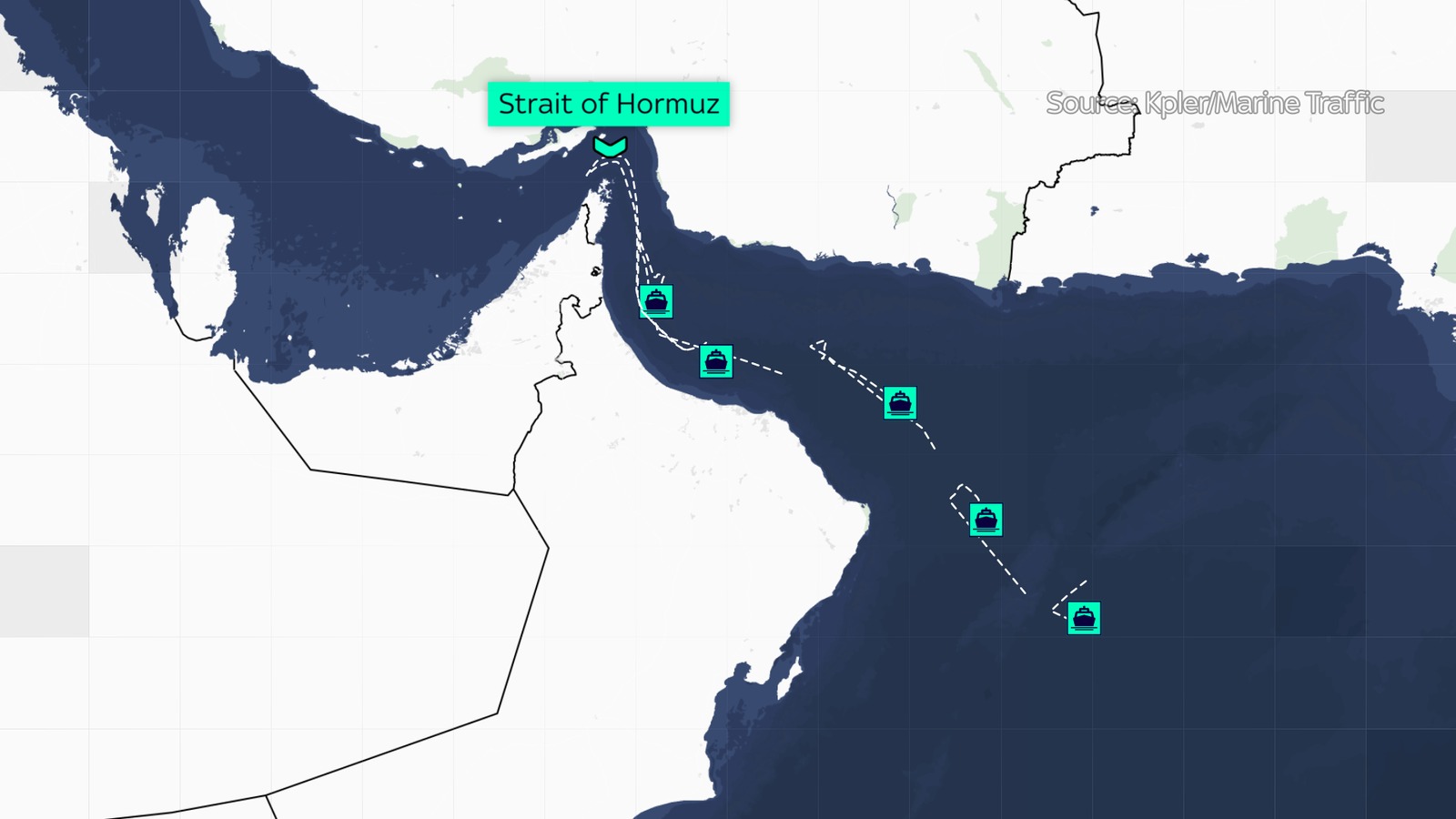
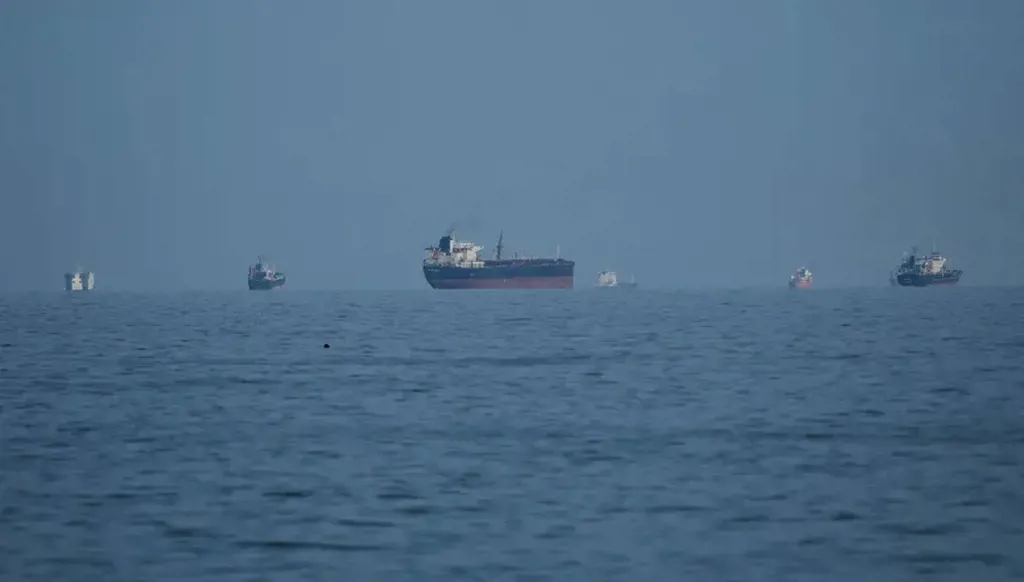
This man is not alone in his ordeal; there are thousands like him around the world. And the problem isn’t just one ship or one shipment—it’s part of a much bigger picture. As of mid-March, an estimated 2,000 to 2,500 commercial ships were either stuck, anchored, or facing major delays near the Strait of Hormuz due to regional security tensions and Iranian naval blockades, carrying around 20,000 sailors. Shipping traffic through this waterway has dropped by 95 percent.
The buildup in the strait includes about 178 crude oil tankers and 137 container ships, representing a significant portion of global trade. Notably, the Strait of Hormuz is effectively “closed,” with daily passage having fallen from over 100 tankers before the tensions to only one or two today. Only ships connected to Iran, China, or Russia are still navigating it.
Thus, when ships are delayed, it’s not just goods that are delayed—entire markets are delayed. Stores wait for the goods, distributors wait for the stores, consumers wait for the products, and prices rise because every day at sea costs extra money. In trade, the rule is simple: delays mean costs, and costs mean higher prices.
So when Abu Kareem talks about ships stuck at sea, it might sound like distant news. But these ships aren’t far removed from everyday life—they are reflected in the price of your phone, your fridge, your shoes, even the sandwich you buy. The story isn’t just about 2,500 ships stranded in the strait; it’s about thousands of traders waiting for relief. Maybe the real question isn’t how many ships are stuck at sea, but how many people are waiting on land for them to arrive.