Oil climbs above $100 as Hormuz disruption fears deepen and allies refused Trump’s naval escort call
Brent and WTI climb over 2% amid Middle East tensions, fires in Fujairah, and cuts by UAE’s ADNOC, while global markets brace for rising energy costs and inflation.
Oil prices rose by more than two percent on Tuesday, recovering part of the previous session’s losses amid concerns over supply, following the near-complete closure of the Strait of Hormuz and the refusal of U.S. allies to send warships to help tankers navigate this vital waterway.
Brent crude futures rose by $2.74, or 2.7 percent, to $102.95 per barrel by 03:57 GMT, while U.S. West Texas Intermediate crude climbed $2.45, or 2.6 percent, to $95.95 per barrel.
In the previous session, Brent futures dropped 2.8 percent at settlement, while U.S. West Texas Intermediate fell 5.3 percent after some ships passed through the strait.
The Strait of Hormuz — through which 20 percent of the world's oil and liquefied natural gas trade passes — is facing major disruptions due to the U.S.-Israeli war on Iran, now in its third week, raising concerns about supply shortages, higher energy costs, and inflation.
Tony Sycamore, a market analyst at IG, said in a note, "The risks remain high: it only takes one armed Iranian group firing a missile or planting a mine on a passing tanker to escalate the situation again."
Several U.S. allies rejected President Donald Trump's call on Monday to send warships to escort vessels through the Strait of Hormuz, prompting his criticism and accusing Western partners of ingratitude despite decades of their support.
Attack on an oil tanker in the Strait of Hormuz (AFP).
Priyanka Sachdeva, a senior market analyst at Phillip Nova, said, "Currently, oil markets are focused on the duration of the conflict, the halt of supplies through the Strait of Hormuz, and, ultimately, the damage this turmoil will inflict on Gulf oil infrastructure."
At the same time, traders said prices received additional support after a fire broke out in the Fujairah petroleum industrial area following a drone attack during morning trading in Asia, although no injuries were reported.
Benchmark crude prices produced in the Middle East rose to their highest levels ever, becoming the most expensive oil in the world, with traders attributing this to the reduced supply available for delivery.
Two sources told Reuters that oil production in the UAE, the third-largest producer in the Organization of the Petroleum Exporting Countries (OPEC), has dropped by more than half due to the near-complete closure of the Strait of Hormuz, forcing the Abu Dhabi National Oil Company (ADNOC) to sharply reduce output.
Meanwhile, three informed sources told Reuters that Iran asked India to release three oil tankers seized in February as part of talks aimed at ensuring the safe passage of ships flying the Indian flag or heading to India from the Gulf through the Strait of Hormuz.
To curb rising energy costs, the head of the International Energy Agency proposed that member countries release additional oil on top of the 400 million barrels they had already agreed to draw from strategic reserves.



 Messenger
 Whatsapp
 Threads
 Email
Email
 Print
Print
 X
X
 Facebook


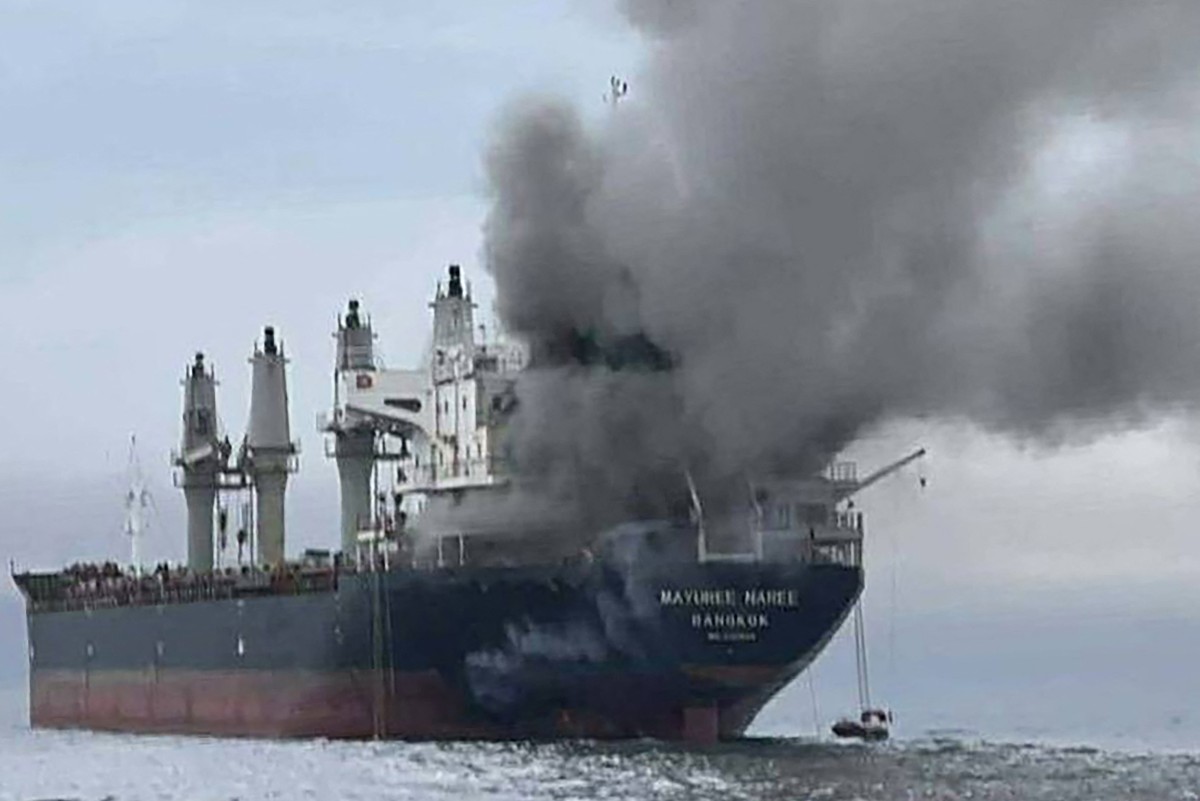 Attack on an oil tanker in the Strait of Hormuz (AFP).