

Thousands of flights grounded, stranding tourists and costing billions


 Messenger
 Whatsapp
 Threads
 Email
Email
 Print
Print
 X
X
 Facebook
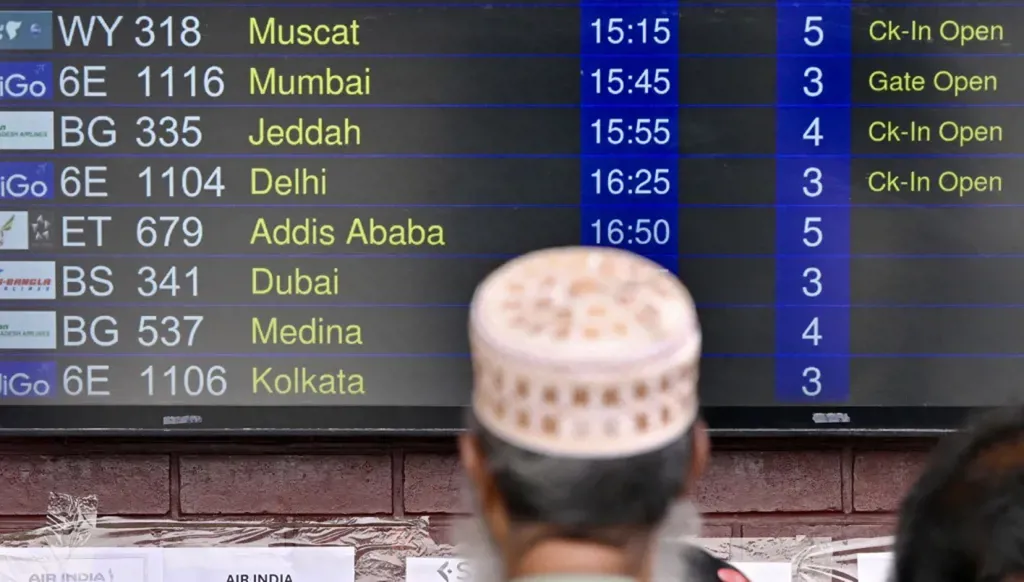


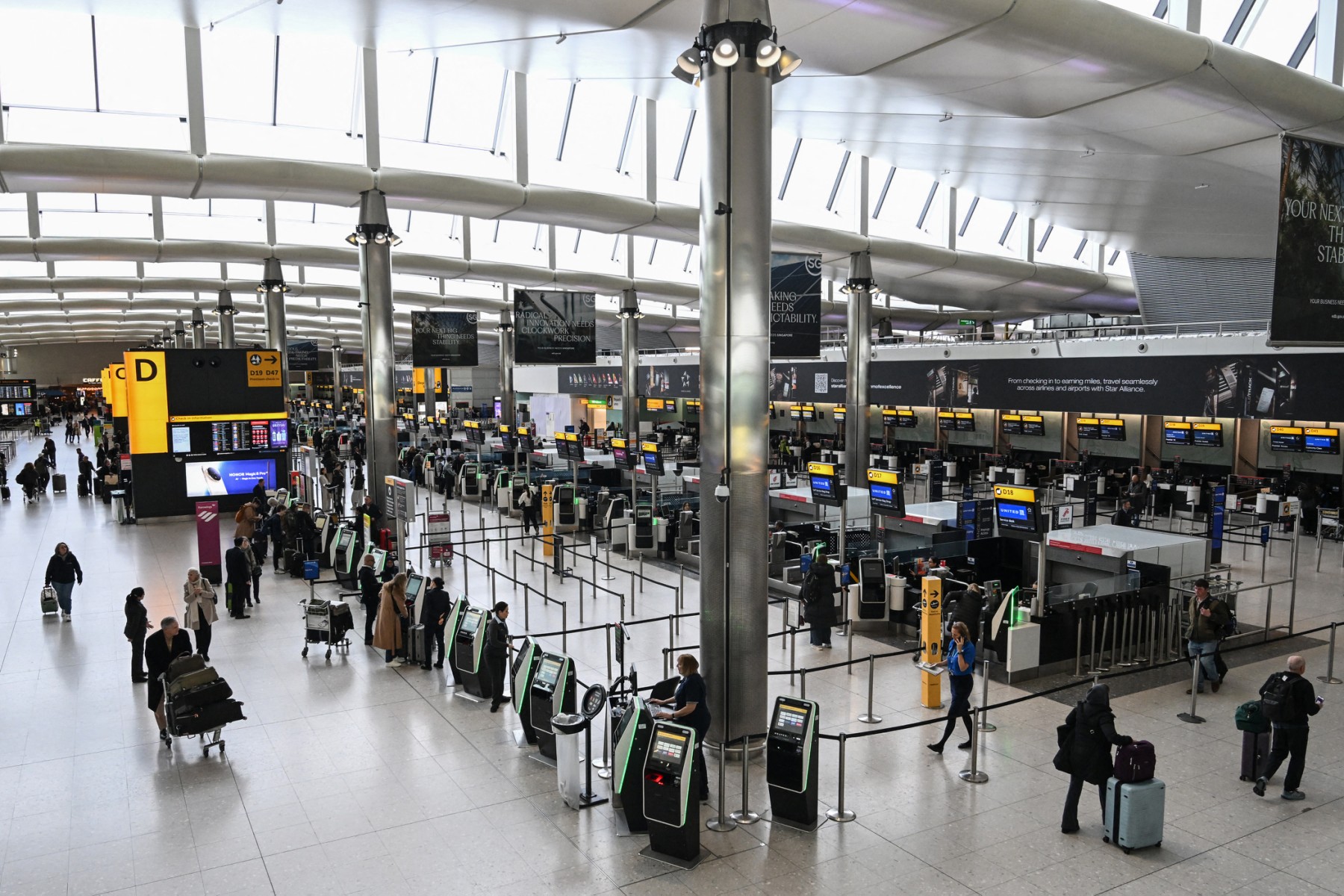
Stranded travelers across the Gulf rushed to book seats on a limited number of flights organized by governments to return their citizens home as explosions rocked Tehran and Beirut amid the broadening conflict. Emirates, flydubai, and Etihad have been operating a limited number of flights since Monday, mostly to repatriate stranded passengers.
Paul Charles, CEO of the luxury travel consultancy The PC Agency, said, “This is certainly the largest shutdown we’ve seen since the COVID pandemic,” adding that the impact on cargo will reach “billions of dollars” in addition to disrupting passenger traffic.
Passenger planes also carry packages on board, meaning air freight has also been disrupted. FedEx said in an email that it is resorting to “emergency measures,” which it did not specify, in its Middle East operations, after earlier stating that it is resuming pickup and delivery services in the region where possible.
Emergency evacuations
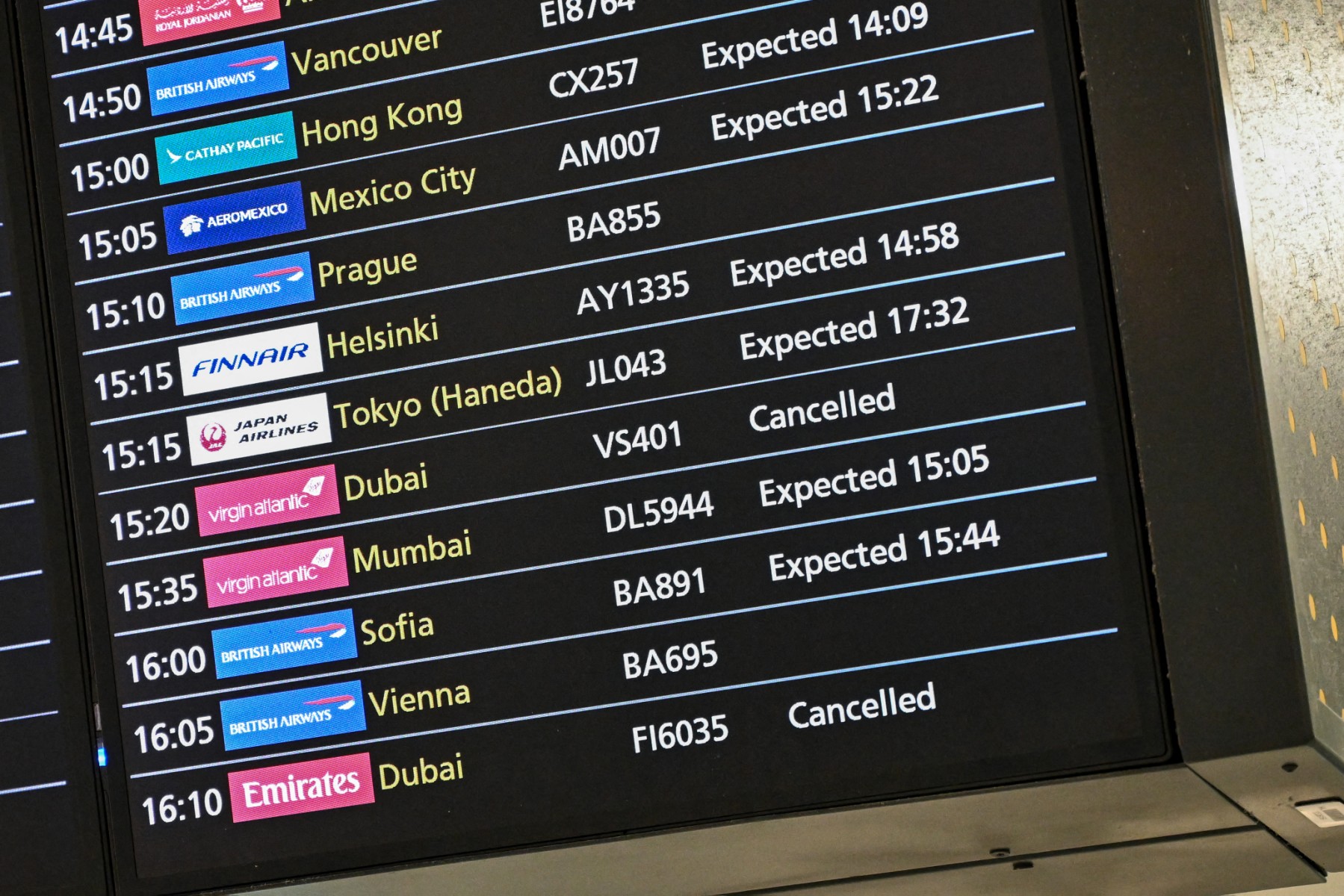
The Government of the United Arab Emirates said that 60 flights have taken off, operating through emergency air corridors. The next phase will include operating more than 80 flights.
An official from the United States Department of State said on Tuesday that the United States is preparing military and chartered flights to evacuate its citizens from the Middle East, adding that the department is in contact with nearly 3,000 American citizens.
The department is facing criticism from lawmakers who said the administration of Donald Trump should have advised citizens to leave before the attacks began.
Delta Air Lines said on Tuesday that it had suspended flights between New York and Tel Aviv until March 22 due to the conflict, and is offering rebooking and travel fee waivers for affected customers through the 31st of the month.
Reuters investigations on Tuesday showed a surge in demand for Gulf airline alternatives, with increased bookings and ticket prices on routes such as Hong Kong–London. Analysts estimate that tourism revenue losses could amount to billions of dollars for the Middle East if the conflict continues.
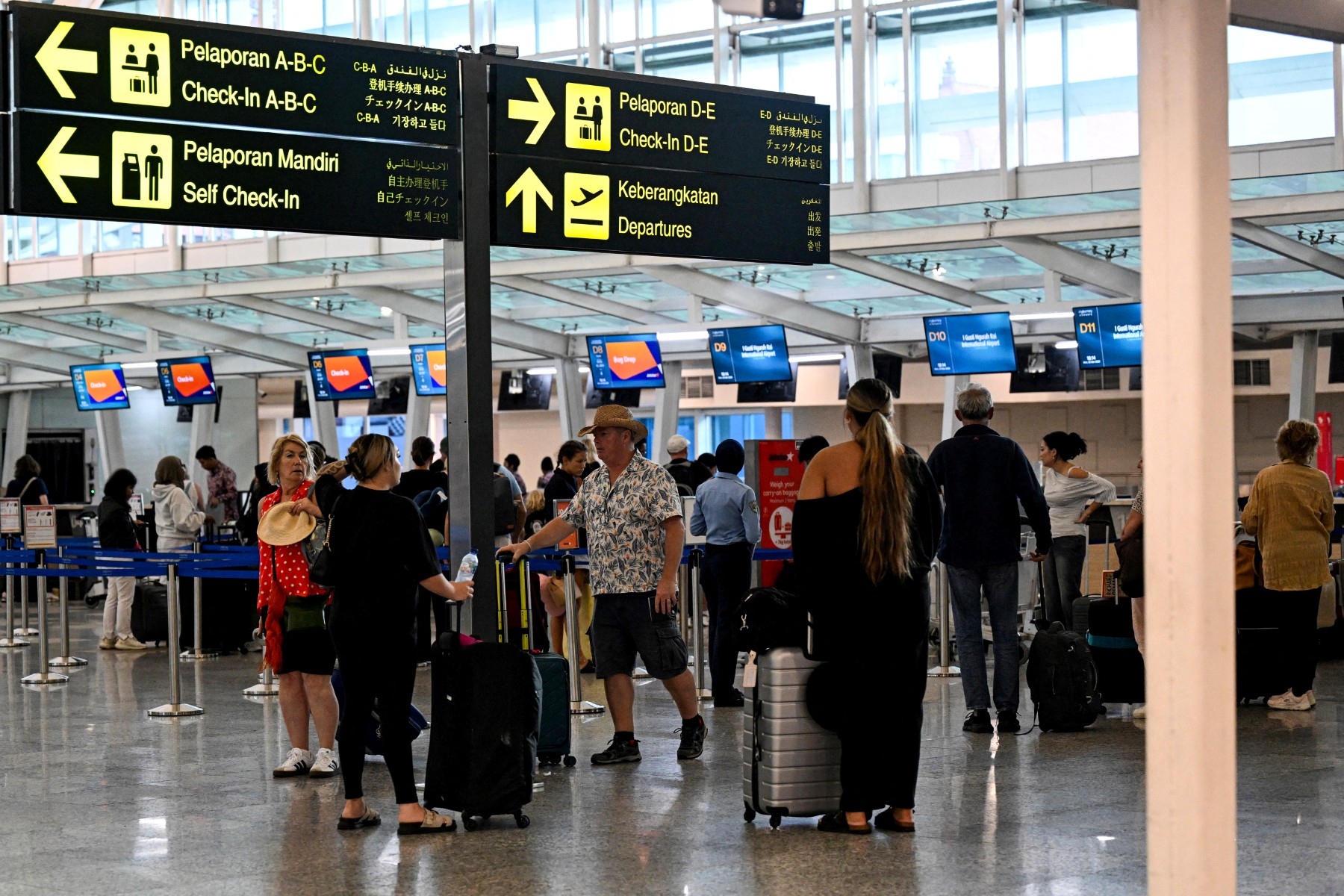
Meanwhile, Tatiana Leclerc, a French tourist stranded in Thailand whose journey was planned through Middle Eastern airports—considered major connecting hubs between Asia and Europe—said, “We cannot return home, we cannot return to work, and we cannot send our children back to school.”
In an early sign of a breakthrough, Virgin Atlantic announced on Tuesday that it would resume services as scheduled between London Heathrow Airport and Dubai or Riyadh.
Airline stocks fell globally on Tuesday.
Oil prices rose amid the escalating conflict. The price of benchmark crude oil has jumped by about 30 percent so far this year, threatening to raise jet fuel costs and put additional pressure on airline profits.