

What to expect from next week's Paris Conference to support Lebanese military


 Messenger
 Whatsapp
 Threads
 Email
Email
 Print
Print
 X
X
 Facebook
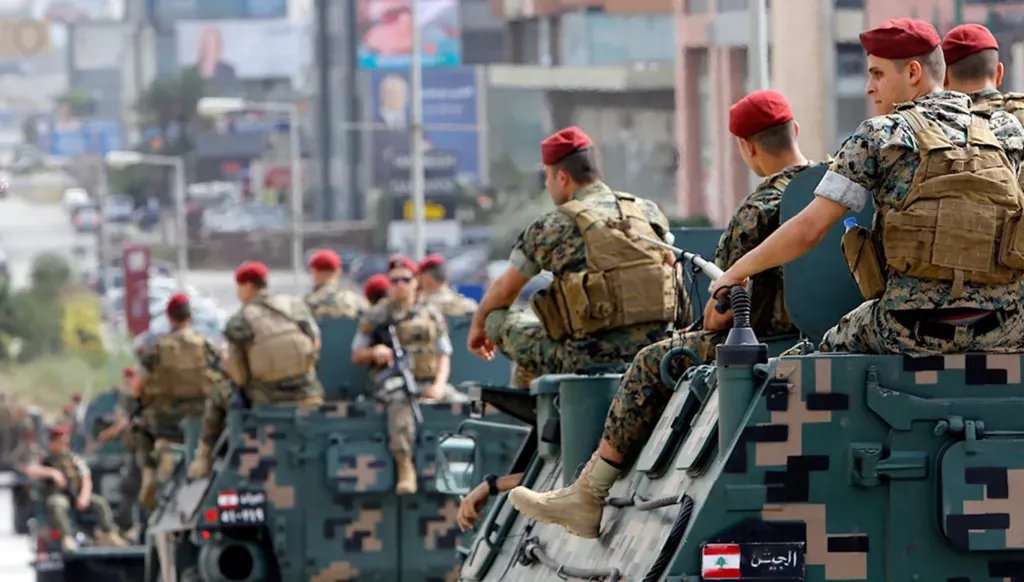


Former French minister Jean-Yves Le Drian is preparing for the Army Support Conference on March 5 in Paris, with many countries are expected to participate. During the preparatory conference in Cairo on February 24, he noted that the level of participation was good, although the U.S. ambassador to Lebanon, Michel Ismail, was absent due to extenuating circumstances within his embassy.
Diplomatic sources describe the relationship between Le Drian and Ismail as good, with ongoing communication and coordination. The Cairo conference included the participation of the Core Group military team led by Italy, along with a French general and representatives from the U.S., Germany, the UK, and several other countries including Canada and Gulf states, responsible for coordinating aid proposals for the Lebanese Army for the past three years.
The five countries tasked with assisting Lebanon, along with Saudi Arabia and the U.S., will work to identify the needs of the Lebanese Army and Internal Security Forces to effectively direct contributions to practical needs. Preparations have been made between political representatives of the five countries and the participating military group for the Paris conference. Diplomatic sources suggest one should not expect billions of dollars for the army, but financial and technical support could be substantial, though no specific amount has been estimated.
The Army Commander, General Rudolph Haykel, estimated the institution's annual needs at $800 million, focusing on implementing the second phase of disarming illegal weapons in the north of the Litani, and requirements following the UNIFIL withdrawal at the end of December this year.
Sources indicate that previous aid to the army was merely unfulfilled promises. However, now several important countries are aware of the necessity to support the Lebanese Army and Security Forces in current circumstances. French President Emmanuel Macron is keen on spotlighting efforts to support the army amid continued ceasefire violations and persistent trouble implementing weapon's containment north of the Litani.
Haykel announced that, post-UNIFIL withdrawal, the army would need two additional battalions, and these needs must be addressed.
French diplomatic sources note that Saudi Arabia has strongly returned to Lebanon by supporting presidents Joseph Aoun and Nawaf Salam, expressing hopes for Salam’s persistence and success. There is high-level Franco-Saudi coordination in supporting the army and current political forces, as Saudi Arabia and other countries remain wary of past corruption and misuse of financial aid provided to Lebanon, prompting scrutiny over management, distribution, and use of funds supporting the army and security forces.
Paris, as echoed by Le Drian, believes that reclaiming state sovereignty involves disarming Hezbollah and implementing economic and financial reforms. French diplomats following the Lebanese file recognize that Lebanese leaders need to find an appropriate approach given the highly sensitive and delicate situation that Presidents Aoun and Salam must manage, as the available margin is extremely tight. They must not show leniency towards Hezbollah while avoiding a slide into civil war.