

Post-World Cup economy: No "white elephants" in Qatar


 Messenger
 Whatsapp
 Threads
 Email
Email
 Print
Print
 X
X
 Facebook
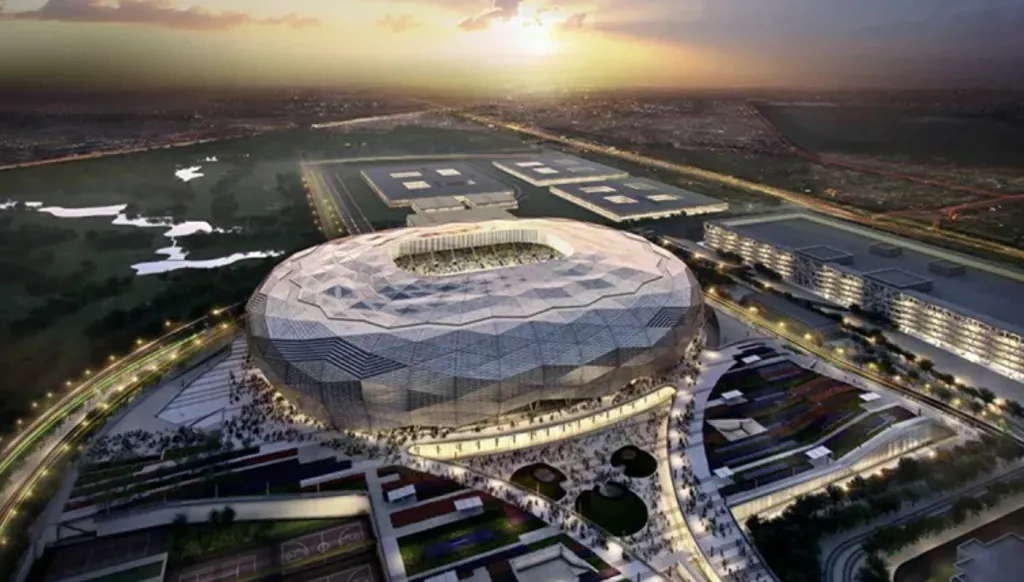


The "mega-event curse" phenomenon has been used to describe the economic history of host countries after the FIFA World Cup. The tournament's end was a sign of economic downturn in South Africa (2010) and Brazil (2014), as evidenced by the rise of "white elephant" stadiums—billion-dollar buildings with astronomical maintenance costs and little use—and a sharp drop in hotel occupancy.
The State of Qatar's 2025–2026 financial data, however, shows a significant divergence from this historical norm. With real GDP growth of 5.4% and the tourism industry reaching a record-breaking 5.1 million visitors, Qatar's economy has proven to be resilient.
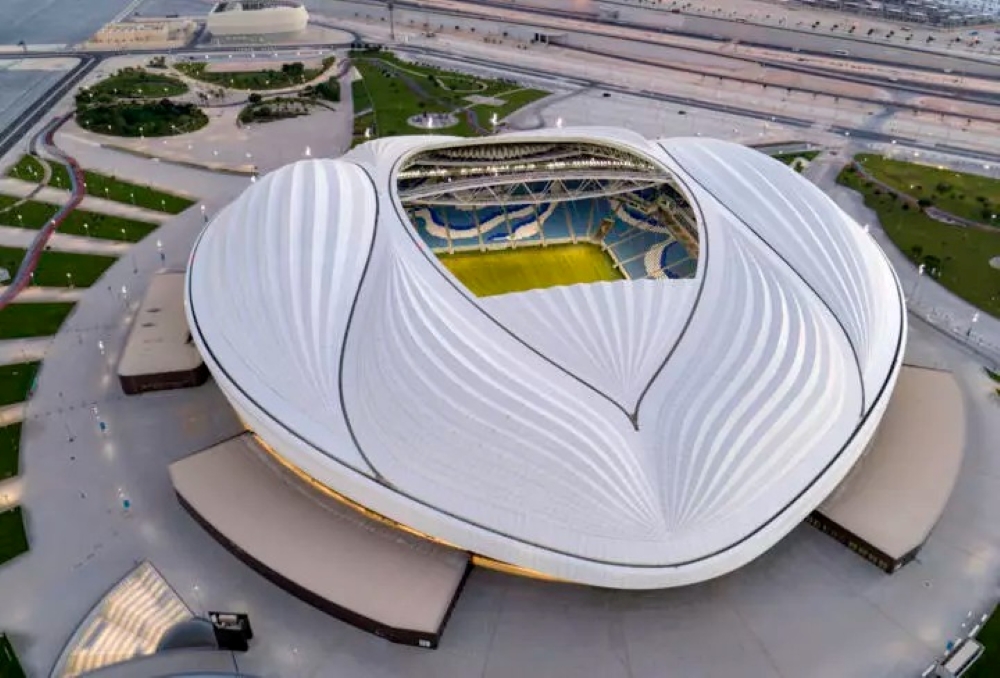
This path is the result of a planned, long-term strategic synthesis called the "events economy". It uses world-class sports infrastructure as a permanent engine for growth within the framework of the Qatar National Vision 2030 (QNV 2030) and the Third National Development Strategy (NDS3).
Sports as a structural growth engine
The "events economy" is a strategic framework that views major sporting and cultural events not as singular occurrences but as ongoing drivers of economic activity. By 2025, this plan had grown into a way to drive growth that could be used by many businesses. In that year, Qatar hosted more than 600 events, ranging from the FIFA Arab Cup 2025 to global innovation summits and elite tennis championships.
By avoiding the depreciation and maintenance pitfalls faced by past hosts, this programming density guarantees that the infrastructure constructed for the "2022 World Cup" stays in a high utilization state.
About QAR 55 billion (≈ US$15.1 billion), or 8%, of Qatar's GDP came from the tourism industry in 2024. This contribution was expected to increase to 15% by 2025, meeting the NDS3 goal of 12% GDP contribution from tourism by 2030. More significantly, the record 5.1 million foreign visitors in 2025 represent a 138% increase over 2019 levels, a 3.7% increase year over year. These tourists' spending habits provide more insight into the financial advantages. Those who travel overnight for sporting events are known as sports tourists, and they often spend up to twice as much per trip as the typical tourist.
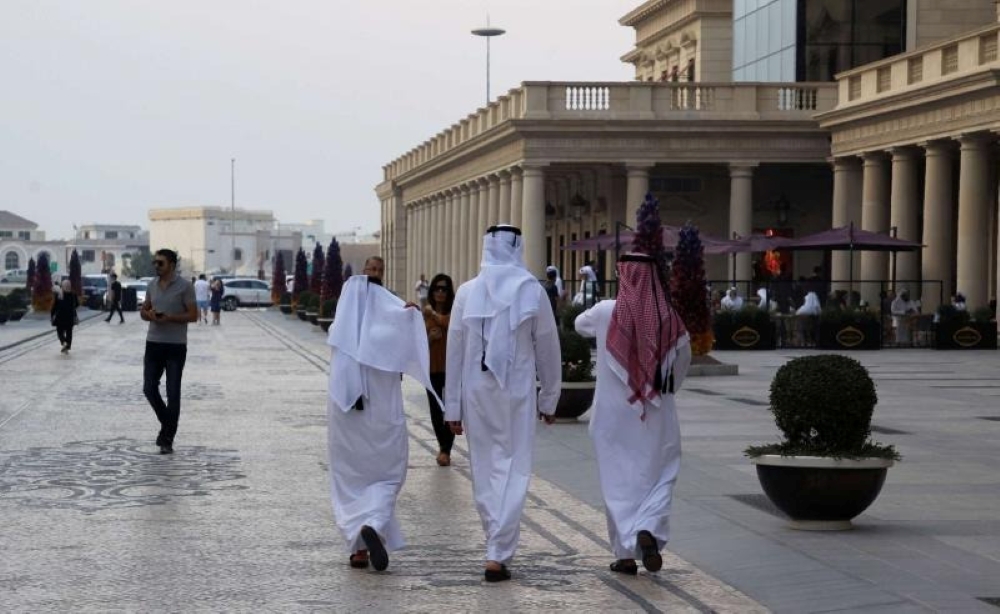
This high-value segment is attracted by Qatar’s blend of world-class facilities and luxury hospitality. The hospitality sector responded with vigor in 2025: accommodation revenues rose 12% to QAR 8.3 billion (≈ US$2.28 billion), and 10.8 million room nights were sold, an 8.6% increase from the previous year.
Repurposing the stadiums
The stadiums' long-term sustainability is the biggest risk for any World Cup host. To guarantee that venues continue to be useful components of the urban fabric, Qatar's strategy was centered on "integrated vision", which included modular design, capacity reduction, and commercial integration.
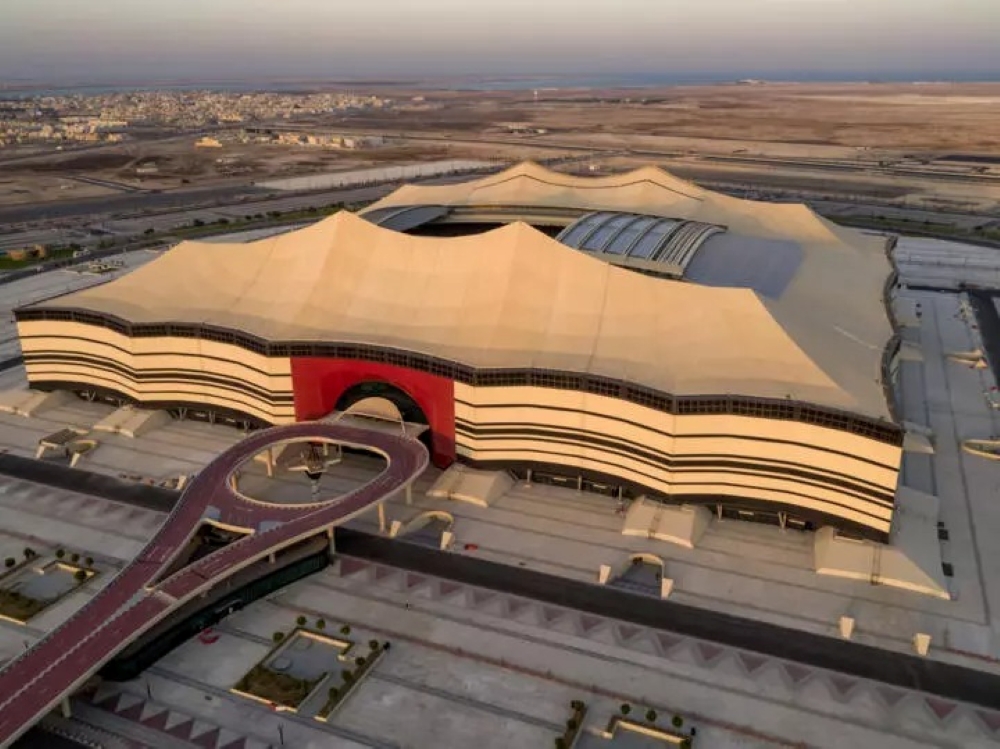
Making Al Bayt and Lusail into multipurpose hubs is an important strategic choice. The state guarantees a steady flow of foot traffic and income that is not reliant on match days by incorporating non-sporting commercial entities, such as the five-star hotel in Al Bayt or medical clinics in Lusail. This model tackles the fundamental flaw in the "white elephant" model, which depends on frequent, large-scale athletic events that are impossible for a small country like Qatar to maintain over time in a domestic league setting.
A key differentiator for Qatar was the "compact" nature of the tournament. All eight stadiums were situated within a 21-mile radius of central Doha and linked by the Doha Metro and Lusail Tram system.
This infrastructure, which cost billions to develop, has transitioned into a permanent public utility that supports the events economy. The seamless connection between Hamad International Airport and the event precincts allows Qatar to function as a "global convening hub", where international delegates attended a conference at the Web Summit and a sporting event in the same day.
The white elephant index: A qualitative comparison
The Qatari model succeeded because it prioritized "post-tournament legacy" from the design stage. In Brazil and South Africa, stadiums were often built as monuments to the event itself, with little consideration for their role in the city's future.
Qatar’s "modular" approach—where 170,000 seats were earmarked for donation even before the first match was played—is a historic first in World Cup planning.
| Feature | Brazil (2014) | South Africa (2010) | Qatar (2022) |
|---|---|---|---|
| Stadium Maintenance | High; several stadiums fell into disrepair or were used as parking lots. | High; maintenance costs exceeded stadium revenue, leading to "white elephants". | Managed; capacity reductions and commercial repurposing (hotels, clinics). |
| Infrastructure Integration | Fragmented; many planned transport projects were abandoned. | Focused on airports; urban transport gains were limited in reach. | Integrated; Doha Metro and Lusail Tram provide year-round public utility. |
| Economic Growth (Year +3) | Recessionary; Brazil entered a severe economic crisis in 2015-2016. | Stagnant; South Africa struggled with structural deficits and low GDP growth. | Resilient; 5.4% projected growth driven by services and gas. |
| Tourism Momentum | Temporary surge followed by a decline to pre-event levels. | Short-term boost; ex-post data showed only 68% of projected tourist arrivals. | Sustained; Record 5.1M visitors in 2025, up 138% from 2019. |
The Qatari experience offers a profound lesson for future host nations: the value of a mega-event lies not in the thirty days of competition, but in the thirty years of development it can trigger if managed as a structural economic engine.
As Doha prepares for its role as the GCC Tourism Capital in 2026, and continues its journey toward 2030, the sports-driven growth model stands as a testament to the power of "integrated vision" in the modern global economy.