

Global energy shift accelerates: Renewables take center stage at Abu Dhabi Sustainability Week 2026



 Messenger
 Whatsapp
 Threads
 Email
Email
 Print
Print
 X
X
 Facebook
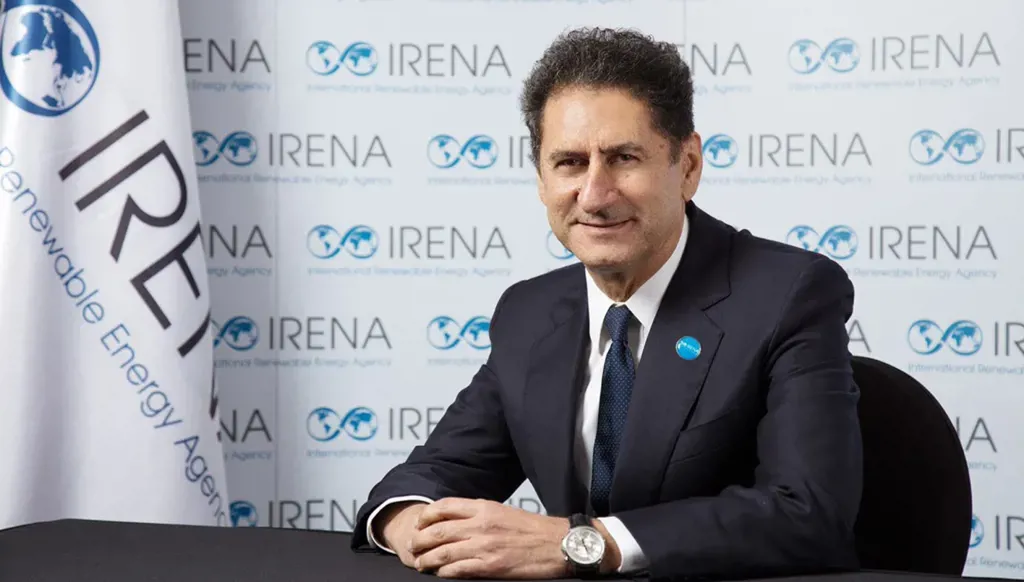


In an era when transforming the global energy sector has become an urgent necessity - driven by climate, economic, and geopolitical challenges - Abu Dhabi Sustainability Week 2026 has emerged as a key platform for bringing together world leaders, decision-makers, and energy experts to turn climate ambitions into concrete, actionable solutions.
In this context, Francesco La Camera, Director-General of the International Renewable Energy Agency (IRENA), told Annahar that the world is experiencing an unprecedented acceleration in renewable energy deployment, signaling a structural transformation of the global energy system.
La Camera stated, “Last year, we reported a record of approximately 470 gigawatts of newly installed renewable capacity in 2023. This figure rose to 582 gigawatts in 2024, and we expect 2025 to set a new record, potentially reaching around 700 gigawatts.”
He added that these numbers clearly demonstrate that renewable energy has become the dominant force shaping the future energy system.
Abu Dhabi Sustainability Week holds special significance for IRENA, as it coincides with its General Assembly. La Camera described this year’s Assembly as a pivotal event, highlighting the record level of participation, particularly among ministers.
He noted, “During bilateral meetings with ministers, it became clear that renewable energy is no longer seen as a secondary option but as an inevitable path. The focus now is on how to accelerate implementation and how IRENA can support countries in this transition.”
However, La Camera noted that this progress is not unfolding evenly across all regions. Certain areas - particularly sub-Saharan Africa, much of the African continent, and parts of Southeast Asia - remain at risk of lagging behind in the energy transition.
He emphasized the need to rethink international cooperation mechanisms, advocating a shift away from "exploitative" approaches toward mineral-rich countries. Instead, he called for building industrial partnerships that enable these nations to process their resources locally and capture a greater share of the added value.
La Camera highlighted that one of the key outcomes of Abu Dhabi Sustainability Week and the IRENA General Assembly was the growing consensus on the importance of strengthening power grids, improving interconnectivity, and enhancing system flexibility and balancing capabilities. These are issues IRENA has long emphasized, and they are now at the forefront of discussions among governments and the private sector.
The week also included specialized events on geothermal energy and nationally determined contributions (NDCs), as well as meetings that brought together private companies and decision-makers to explore ways to accelerate the energy transition.
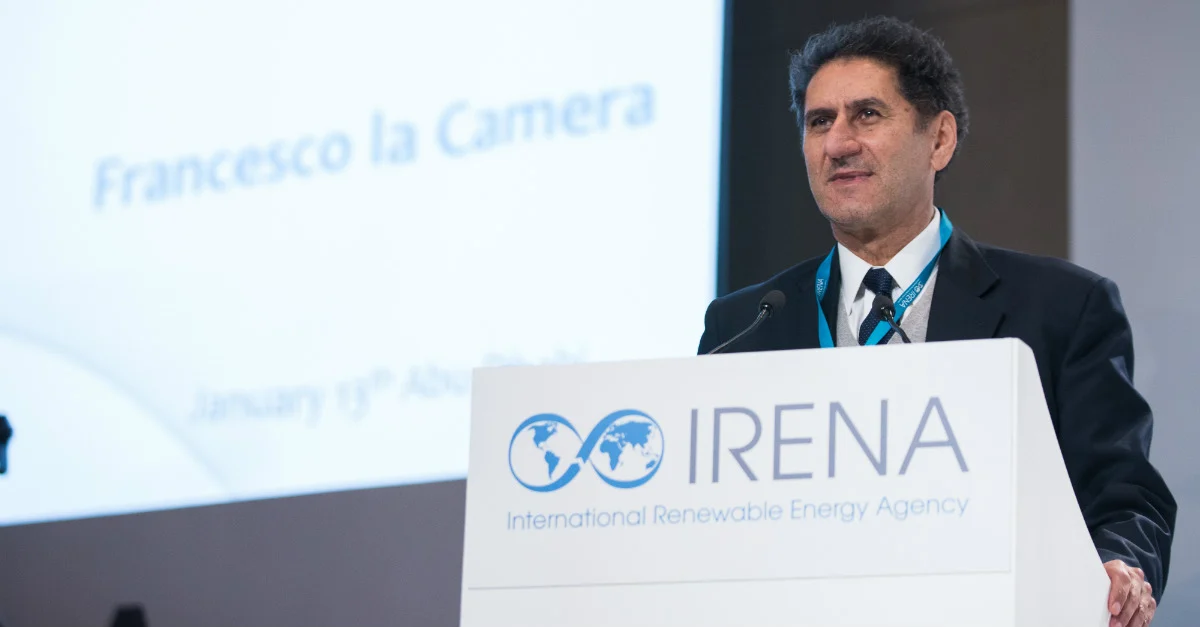
La Camera emphasized that the significance of renewable energy now extends beyond its climate benefits; it has become a critical factor in strengthening energy security amid geopolitical instability, oil market volatility, and potential trade conflicts.
He stated, “Energy systems based on renewable, decentralized sources provide more stable electricity and help mitigate the impact of external shocks, making them a strategic choice for the future.”
Economically, La Camera stressed that the competitiveness of economies over the next decade and beyond will largely hinge on their energy systems’ ability to deliver power at the lowest possible cost.
He added that renewable energy is no longer just the cleanest option environmentally - it is also the most cost-effective. From a social perspective, it helps meet the needs of rural and remote communities, creates job opportunities that are three times greater per unit of investment than in the fossil fuel sector, and contributes to promoting gender balance in the labor market.
La Camera concluded, “Renewable energy is not merely a tool to combat climate change; it is a cornerstone of energy security, a driver of economic competitiveness, and a foundation for social justice. For these reasons, it offers solutions to many of the challenges the world faces today.”
As Abu Dhabi Sustainability Week 2026 drew to a close, one message stood out clearly: the momentum of the global energy transition is accelerating, yet the greatest challenge ahead remains translating commitments into tangible, widespread implementation- particularly in developing countries.