

Dubai's Real Estate: Where to put your money in 2026?


 Messenger
 Whatsapp
 Threads
 Email
Email
 Print
Print
 X
X
 Facebook
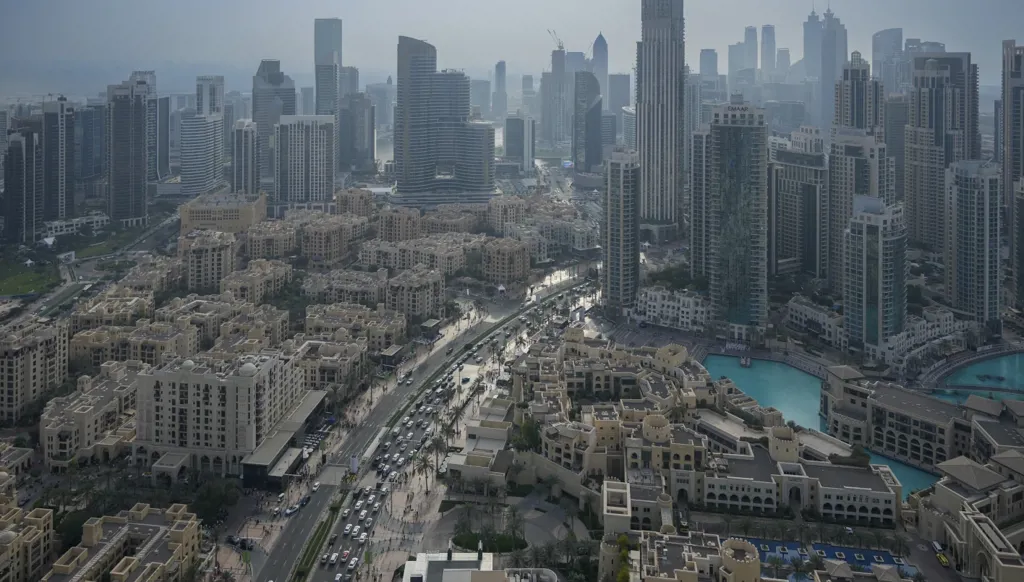


Dubai's real estate market enters 2026 at a modulation point—transitioning from exceptional growth to sustainable stability. It is characterized by meaningful supply headwinds (120,000 projected new units) balanced against structural demand drivers, including 6% population growth, continued high-net-worth individual (HNWI) inflows, and favorable tax treatment—positioning 2026 as a year favoring selective location choice and careful timing rather than broad market strength.
From Boom to Equilibrium
Dubai's residential property market has delivered exceptional performance through early 2025. Between Q1 2022 and Q1 2025, prices appreciated approximately 60%. In 2025 alone, residential transactions exceeded AED 500 billion, with transaction values in the first half of 2025 reaching AED 431 billion—a 25% year-on-year increase. The luxury segment above $10 million saw the sharpest gains, with Q3 2025 recording a 24% surge in sales volumes relative to 2024.
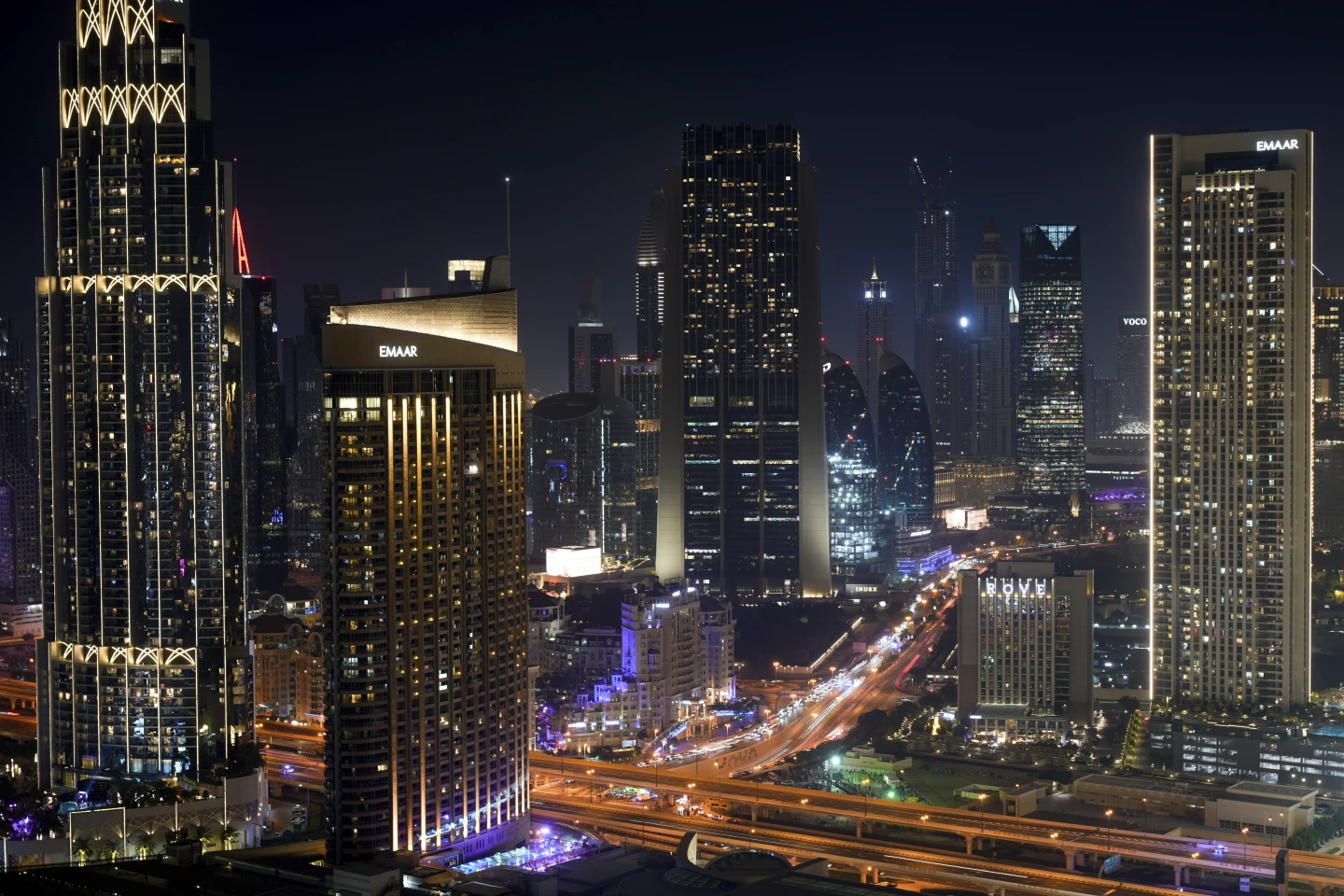
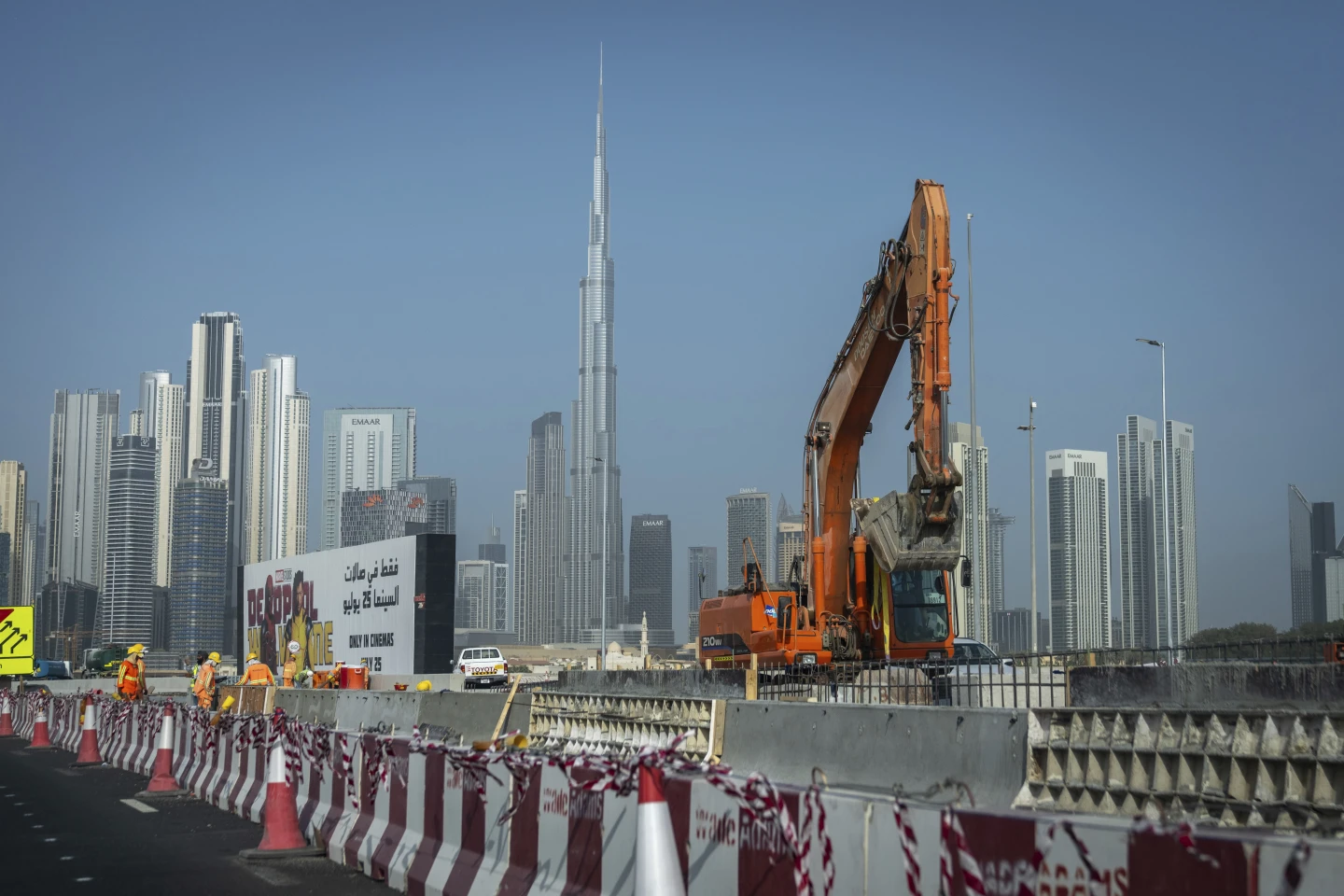
This growth has been powered by tangible fundamentals: Dubai's population reached 4 million in September 2025, growing at 6% annually and supported by streamlined visa policies, business-friendly regulations, and the emirate's positioning as a regional financial and lifestyle hub. Critically, this growth derives from end-user migration and long-term investment rather than speculation, creating durable demand. However, the market is entering a new phase. From 2025 through 2027, approximately 250,000 new housing units are scheduled for delivery, with 2026 projected to absorb the peak—around 120,000 apartments and villas combined. This represents a 16% increase in annual supply, exceeding the 5–6% population growth rate.
Capital Appreciation Forecast for 2026
Three major consultancies frame the 2026 capital appreciation outlook across different scenarios: Fitch Ratings (Conservative Case) predicts a moderate price correction of 10–15% during late 2025 extending through 2026, reflecting the incoming supply wave and a normalization from the prior period's rapid growth;
Knight Frank (Moderate Case) projects price stability with modest appreciation of 0–3%, anchored by robust HNWI demand for premium properties, continued global wealth inflows, and a deepening pool of resident investors; and Savills (Optimistic Case) forecasts 4–5.9% appreciation in prime values extending into 2026.
Strong Absolute, Trending Softer
As of December 2025, the citywide average rental yield stood at 6.76%, with apartments averaging 7.07% and villas 4.93%.
Dubai's leading communities show divergent ROI structures: high-yield affordable areas (DIP, Dubai Sports City, Dubai South) provide strong rental returns of 8-10%, while premium zones (Palm Jumeirah, Downtown) emphasize capital appreciation and brand prestige with more modest yields of 5-6%.
This compares to global benchmarks where mature markets typically yield 2–4%: London averages 3.5%, New York 3.9%, and Hong Kong similarly low figures. Dubai's advantage stems from zero property tax, zero rental income tax, zero capital gains tax, strong structural expatriate demand, and favorable landlord protections.
According to Global Property Guide, high-yield areas achieve strong returns through lower entry prices and higher tenant-to-owner ratio, while lower-yield premium areas depend more heavily on capital appreciation and lifestyle/brand premium for total returns.
High-Yield Communities:
- Dubai Investment Park (DIP): 9.36–10.50%
- Dubai South: 8–12%
- Dubai Sports City: 8.14–8.91%
- Dubai Silicon Oasis: 8.09%
- Jumeirah Village Circle (JVC): 7.59–7.87%
- Discovery Gardens: 7.70%
Moderate-Yield Communities:
- Business Bay: 6.66–6.74%
- Jumeirah Lake Towers (JLT): 7.32%
- Dubai Marina: 6–8%
- Downtown Dubai: 5.80–7%
Lower-Yield Premium Areas:
- Dubai Hills Estate: 5.6–6.12%
- Palm Jumeirah: 3.83–5.3%
Revenue from $1 USD Investment
For a hypothetical $1 USD investment held throughout 2026, these are the possible scenarios:
- High-Yield Scenario (Dubai South Studio): Rental Income: $0.10 + Capital Appreciation: $0.08 = Total 2026 Return: $0.18 - 18% combined ROI.
- Balanced Growth Scenario (JVC 1-Bedroom Apartment): Rental Income: $0.076 + Capital Appreciation: $0.07 = Total 2026 Return: $0.146 - 14.6% combined ROI.
- Growth-Focused Scenario (Dubai Hills Estate Villa): Rental Income: $0.061 + Capital Appreciation: $0.07 = Total 2026 Return: $0.131 - 13.1% combined ROI.
- Premium Scenario (Downtown Apartment): Rental Income: $0.058 + Capital Appreciation: $0.05 = Total 2026 Return: $0.108 - 10.8% combined ROI.
- Ultra-Luxury Scenario (Palm Jumeirah Villa): Rental Income: $0.053 + Capital Appreciation: $0.05 = Total 2026 Return: $0.103 - 10.3% combined ROI.
Who? Where?
For Income-Focused Investors, target high-yield communities including JVC, Dubai South, Arjan, and Dubai Investment Park. Prioritize studios and 1-bedroom apartments, which consistently outperform larger units in yield metrics despite lower absolute rents. Consider furnished units, which command 10–25% rental premiums.
Appreciation-Focused Investors are advised to focus on limited-supply categories—villas in established premium communities (Dubai Hills Estate, Arabian Ranches), waterfront properties (Dubai Creek Harbour, Palm Jumeirah, Emaar Beachfront), and off-plan investments in branded master-planned communities. Off-plan properties offer 10–20% lower entry prices than ready stock and historically capture 72% appreciation by completion versus 60% for ready properties.
For Golden Visa seekers, properties at the AED 2 million threshold qualify investors and their families for a 10-year renewable residence visa with zero-tax status and family sponsorship rights. Communities like Dubai Hills Estate, Downtown Dubai, and premium developments in Dubai South offer both residency benefits and sound investment fundamentals.
Finally, conservative investors are oriented towards prioritizing established prime communities (Downtown, Dubai Marina) offering lower single-digit appreciation (5–7%) balanced with 5–8% rental yields. Alternatively, select mid-market areas like Business Bay, combining 6.6% yields with central location resilience.