


 Messenger
 Whatsapp
 Threads
 Email
Email
 Print
Print
 X
X
 Facebook



At first glance, the recent U.S. move toward Venezuela may appear political or diplomatic, but at its core stands a single word that explains much of it: oil.
After years of relying on shale oil to secure domestic energy needs, Washington is rethinking its strategy and reverting to a familiar approach - looking abroad for oil as a precaution for what lies ahead.
Shale oil, which reshaped the U.S. energy map over the past decade, is neither as easy nor as secure a resource as commonly believed. Its production declines rapidly and requires continuous drilling and investment just to maintain current levels. This means, quite simply, that any drop in prices makes expansion unprofitable for companies.
With official forecasts pointing to a slight decline in U.S. production in the coming years, an old concern has resurfaced: What if our oil is not enough?
This is where Venezuela comes into the picture. The country holds, on paper, the world’s largest proven oil reserves, but its oil industry has deteriorated due to sanctions, mismanagement, and a lack of investment. From the U.S. perspective, Venezuela represents a “future option”: not a quick fix, but a strategic reserve that Washington does not want to leave to its rivals, chiefly China and Russia.
The return of U.S. companies such as Chevron is not because these firms dictate policy, but because they currently represent the only available bridge for a portion of Venezuelan oil to reach the United States. It is akin to a valve that can be partially opened when needed, nothing more.
There is also another practical reason that receives less attention: U.S. refineries.
U.S. shale oil is light, while many refineries along the Gulf of Mexico are designed to process heavy crude. Venezuela produces this type of oil in abundance. For that reason, the return of Venezuelan oil is not only a political matter, but also one of technical compatibility.
However, it is important not to overstate expectations. Venezuelan oil is not easy to extract and requires massive investment and years of work before it can make a real difference in global markets. Moreover, talk of the “largest oil reserves in the world” can be misleading, because reserves are not simply oil in the ground, but oil that can actually be produced under stable political and economic conditions, which are currently unavailable.
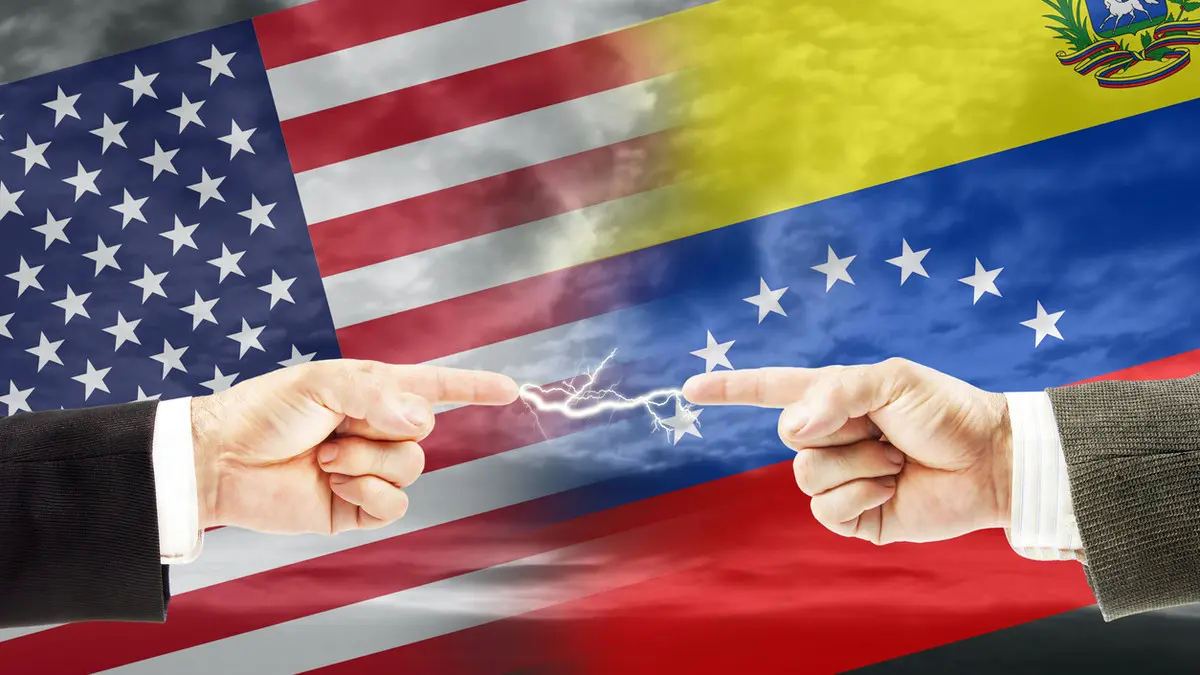
More dangerous than all of this is the broader message. When the United States uses political pressure to secure oil supplies, it opens the door for other powers to justify similar behavior. Russia may do the same with its neighbors, and China may prefer heavy political deals over reliance on open markets.
Oil markets are not built on barrels alone, but on trust and stability. Any move that shakes this trust may succeed temporarily, but in the long run it creates a more volatile market, higher prices, and greater risks for everyone.
In short, America’s return to Venezuela is not a surprise, but a reminder that oil - no matter how much the world changes - still governs the biggest decisions.