

Region
04-01-2026 | 13:01
2026: Where to Invest in the Arab Real Estate?
2026 marks a decisive shift in Arab real estate from a broad post-pandemic boom to a selective, fundamentals-driven phase where growth persists, but only well-located, high-quality, and well-governed projects attract capital.


 Messenger
 Whatsapp
 Threads
 Email
Email
 Print
Print
 X
X
 Facebook
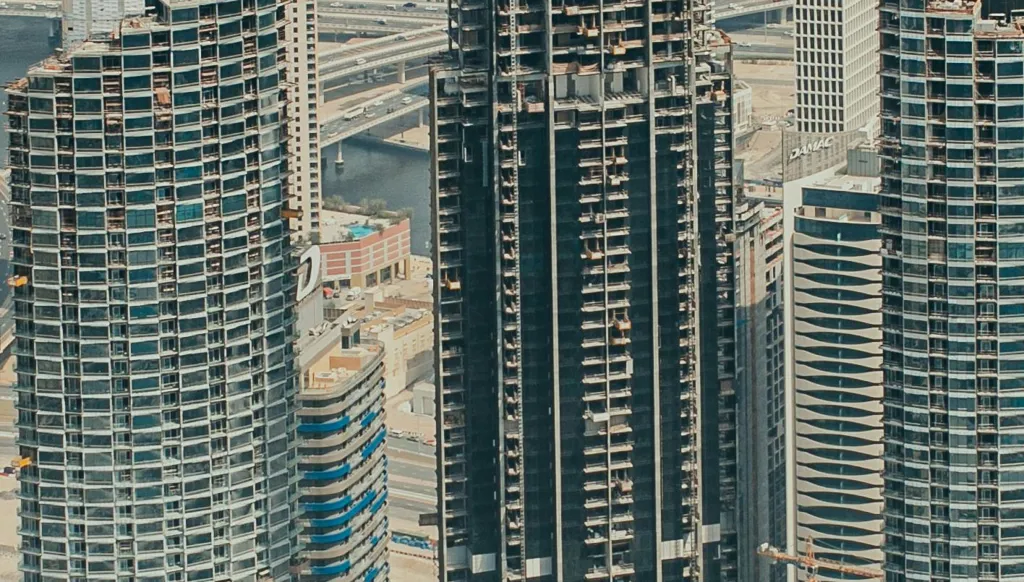
2026: Where to Invest in the Arab Real Estate ( Social)


In most economic and sectoral reports, 2026 isn’t viewed as a simple continuation of recent trends in Arab real estate markets. Rather, it’s seen as a dividing line between two phases: the broad post-pandemic upswing and a more selective stage governed by careful differentiation among markets, sectors, and even individual projects within the same market.
In 2024, the real estate sector was still adjusting to a global environment marked by high interest rates and a shortage of cross-border investment liquidity. In 2025, early signs of gradual improvement began to emerge, driven by relative stability in global monetary policy. As for 2026, most projections suggest it will be the year when this stability translates into actual investment decisions – albeit under much stricter pricing and risk criteria.
From a macroeconomic perspective, the relatively positive outlook for 2026 in the Gulf Cooperation Council (GCC) countries rests on a clear improvement in growth rates. According to estimates based on updated International Monetary Fund (IMF) data and regional monetary sources, average Gulf economic growth is expected to rise from around 2.2 percent in 2024 to about 3.6 percent in 2025, before exceeding four percent in 2026. The United Arab Emirates’ real estate market is among the fastest growing in the region, while Saudi Arabia’s market continues to benefit from strong investment spending linked to Vision 2030 projects. This economic improvement is a key factor supporting real estate demand, but it doesn’t eliminate sector-specific risks.
In the UAE, data highlight the scale of the market’s transition heading into 2026. According to Fitch Ratings, residential property prices in Dubai rose by around 60 percent between 2022 and early 2025. The agency expects approximately 210,000 new residential units to be delivered between 2025 and 2027, and stresses that completed or near-completed projects in prime locations – those capable of generating stable rental yields – are more likely to withstand any corrective pressures that could push prices down by an estimated 10 to 15 percent. Peripheral projects or those dependent on rapid resale, are far more vulnerable.
In Saudi Arabia, housing demand continues to be driven by strong demographic fundamentals. Data from KPMG indicate that residential rents rose by about seven percent between September 2024 and September 2025, down from a peak of nearly 11 percent in early 2024. In 2026, however, a new regulatory framework allowing foreign ownership of real estate is set to take effect as of January. This development represents a structural shift in the market: it broadens the potential demand base and enhances the appeal of certain integrated urban projects, but it also intensifies competition and subjects projects to more rigorous standards of governance and quality.
Tourism and tourism-related real estate are among the sectors most likely to benefit in 2026, based on tangible developments rather than broad expectations. As Gulf and Maghreb governments continue to channel substantial investment into tourism, hospitality assets and mixed-use developments are emerging as investment options backed by long-term official strategies rather than short-term cycles. Particularly notable in this context are “serviced residences”—residential units operated as hotel accommodations – and branded residences, which combine ownership with operational income.
Office markets, meanwhile, continue to reflect what major real estate consultancies describe as a “flight to quality.” In cities such as Dubai and Riyadh, demand is increasingly concentrated in modern, environmentally efficient buildings with strong connectivity to transport infrastructure, while older buildings face growing pressure on occupancy rates and pricing. This differentiation is expected to deepen further in 2026.
In North Africa, particularly Egypt, the outlook remains more closely tied to macroeconomic variables. The real estate market is large and domestic demand is broad, but investment attractiveness in 2026 will remain contingent on the trajectory of inflation, exchange-rate stability, and developers’ ability to secure financing without shifting the entire risk burden onto buyers.
In Morocco, real estate investment opportunities in 2026 are expected to remain concentrated in projects linked to tourism and urban infrastructure, especially in cities such as Marrakech, Casablanca, and Tangier. These markets benefit from a degree of relative macroeconomic stability compared with some other regional markets, but they are unlikely to become major destinations for large-scale institutional real estate capital in the way Gulf markets have.
In the levant – particularly Jordan and Lebanon – real estate activity in 2026 is likely to remain limited and highly selective. It will be driven mainly by remittances from expatriates and localized domestic demand in specific segments, rather than by large institutional investment flows, given ongoing financial constraints and elevated political risk premiums.
In a nutshell, 2026 doesn’t appear to be a year of easy bets in Arab real estate. Instead, it’s shaping up as a test of investment maturity. Available data point to genuine opportunities, but they also make clear that success won’t belong simply to those who enter the market but to those who choose the right location, the right timing, and a business model capable of withstanding an investment cycle that’s becoming steadily more balanced – and far more selective.
In 2024, the real estate sector was still adjusting to a global environment marked by high interest rates and a shortage of cross-border investment liquidity. In 2025, early signs of gradual improvement began to emerge, driven by relative stability in global monetary policy. As for 2026, most projections suggest it will be the year when this stability translates into actual investment decisions – albeit under much stricter pricing and risk criteria.
From a macroeconomic perspective, the relatively positive outlook for 2026 in the Gulf Cooperation Council (GCC) countries rests on a clear improvement in growth rates. According to estimates based on updated International Monetary Fund (IMF) data and regional monetary sources, average Gulf economic growth is expected to rise from around 2.2 percent in 2024 to about 3.6 percent in 2025, before exceeding four percent in 2026. The United Arab Emirates’ real estate market is among the fastest growing in the region, while Saudi Arabia’s market continues to benefit from strong investment spending linked to Vision 2030 projects. This economic improvement is a key factor supporting real estate demand, but it doesn’t eliminate sector-specific risks.
In the UAE, data highlight the scale of the market’s transition heading into 2026. According to Fitch Ratings, residential property prices in Dubai rose by around 60 percent between 2022 and early 2025. The agency expects approximately 210,000 new residential units to be delivered between 2025 and 2027, and stresses that completed or near-completed projects in prime locations – those capable of generating stable rental yields – are more likely to withstand any corrective pressures that could push prices down by an estimated 10 to 15 percent. Peripheral projects or those dependent on rapid resale, are far more vulnerable.
In Saudi Arabia, housing demand continues to be driven by strong demographic fundamentals. Data from KPMG indicate that residential rents rose by about seven percent between September 2024 and September 2025, down from a peak of nearly 11 percent in early 2024. In 2026, however, a new regulatory framework allowing foreign ownership of real estate is set to take effect as of January. This development represents a structural shift in the market: it broadens the potential demand base and enhances the appeal of certain integrated urban projects, but it also intensifies competition and subjects projects to more rigorous standards of governance and quality.
Tourism and tourism-related real estate are among the sectors most likely to benefit in 2026, based on tangible developments rather than broad expectations. As Gulf and Maghreb governments continue to channel substantial investment into tourism, hospitality assets and mixed-use developments are emerging as investment options backed by long-term official strategies rather than short-term cycles. Particularly notable in this context are “serviced residences”—residential units operated as hotel accommodations – and branded residences, which combine ownership with operational income.
Office markets, meanwhile, continue to reflect what major real estate consultancies describe as a “flight to quality.” In cities such as Dubai and Riyadh, demand is increasingly concentrated in modern, environmentally efficient buildings with strong connectivity to transport infrastructure, while older buildings face growing pressure on occupancy rates and pricing. This differentiation is expected to deepen further in 2026.
In North Africa, particularly Egypt, the outlook remains more closely tied to macroeconomic variables. The real estate market is large and domestic demand is broad, but investment attractiveness in 2026 will remain contingent on the trajectory of inflation, exchange-rate stability, and developers’ ability to secure financing without shifting the entire risk burden onto buyers.
In Morocco, real estate investment opportunities in 2026 are expected to remain concentrated in projects linked to tourism and urban infrastructure, especially in cities such as Marrakech, Casablanca, and Tangier. These markets benefit from a degree of relative macroeconomic stability compared with some other regional markets, but they are unlikely to become major destinations for large-scale institutional real estate capital in the way Gulf markets have.
In the levant – particularly Jordan and Lebanon – real estate activity in 2026 is likely to remain limited and highly selective. It will be driven mainly by remittances from expatriates and localized domestic demand in specific segments, rather than by large institutional investment flows, given ongoing financial constraints and elevated political risk premiums.
In a nutshell, 2026 doesn’t appear to be a year of easy bets in Arab real estate. Instead, it’s shaping up as a test of investment maturity. Available data point to genuine opportunities, but they also make clear that success won’t belong simply to those who enter the market but to those who choose the right location, the right timing, and a business model capable of withstanding an investment cycle that’s becoming steadily more balanced – and far more selective.