

Lebanon’s economy in 2025: Stability on shaky ground


 Messenger
 Whatsapp
 Threads
 Email
Email
 Print
Print
 X
X
 Facebook


Ayman Omar
As we move from 2025 into 2026, the Lebanese economy can be described as having gone through a year of fragile economic stability. Some macroeconomic indicators improved compared with the years of collapse, but this did not result from a solid economic foundation, nor did it translate into a real recovery or tangible improvement in living and social conditions.
Limited economic growth
World Bank estimates point to a gradual improvement in Lebanon’s economic performance, with the economy expected to record growth of around 3.5% in 2025, rising to about 4% in 2026, following a sharp contraction estimated at around 7.1% in 2024.
This relative improvement follows years of deep decline, with a cumulative economic contraction from 2018 to 2022 amounting to about 39.9% of GDP, reflecting the significant losses suffered by the Lebanese economy due to successive financial, monetary, and institutional crises.
Illusory exchange rate stability
The Lebanese pound maintained relative stability in 2025 at an official rate of 89,500 (the central bank–set official exchange rate against the US dollar), after years of sharp volatility. This stability helped reduce severe price fluctuations and curb inflation rates, but it remained the result of tight monetary management and a disguised pegging of the exchange rate by the monetary authority. It is not a rate determined by supply and demand, nor by an improvement in the trade balance or foreign investment inflows.
Lower Inflation... but reduced living standards
Estimates indicate a decline in the inflation rate in 2025 compared with levels that reached 171.2% in 2022 and 221.3% in 2023, falling to 45.24% in 2024.
However, the consumer price index remained far above pre-crisis levels, meaning that the slowdown in inflation did not translate into an improvement in purchasing power.
The Banking sector: Lost deposits and persistent losses
Lebanon’s banking sector lacks the trust needed to regain its normal role. The continued absence of a comprehensive bank restructuring plan and the unresolved financial gap remain major obstacles to restoring financial stability, preventing the effective recovery of depositors’ funds and undermining the sector’s ability to support the economy.
This situation prevents depositors from effectively reclaiming their rights and limits banks’ capacity to provide financing to the private sector and productive projects, in turn weakening prospects for economic recovery and increasing the risk of prolonged stagnation and a continued loss of confidence in the financial system.
External balance: chronic deficit
The trade balance deficit rose in the first half of 2025, reaching around $7.87 billion by the end of July, compared with about $6.97 billion over the same period in 2024, an increase of 12.93% year on year, according to statistics from Lebanon’s Customs Administration. This rise in the deficit resulted from higher imports, which climbed to $9.61 billion, completely offsetting the annual increase in exports of $1.75 billion. This increase reflects the Lebanese economy’s heavy reliance on imported consumer goods, energy, and raw materials, alongside weak domestic production that fails to meet basic needs, as well as Lebanon’s limited capacity to export and generate foreign-currency revenues from abroad, factors that intensify pressure on foreign exchange and widen the current account deficit.
Tourism: a good season without sustainability
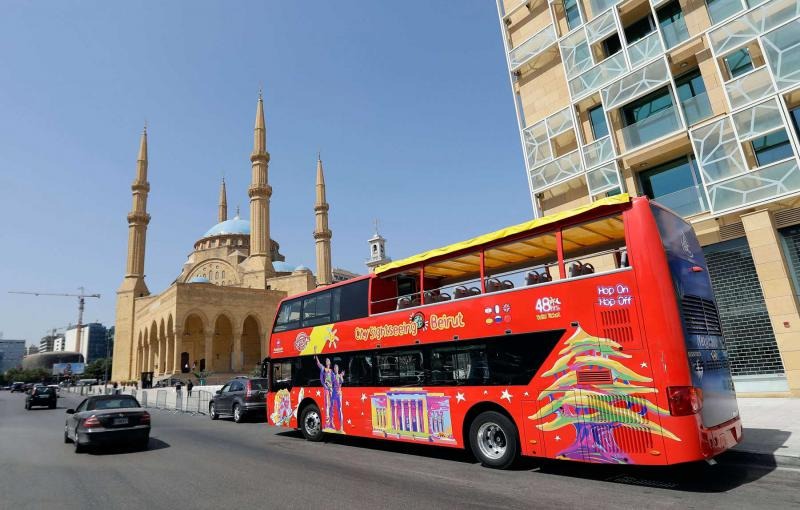
According to Lebanon’s Ministry of Tourism, the number of tourists arriving in Lebanon remained nearly stable year on year, reaching around 238,000 visitors in the first quarter of 2025. European visitors topped the list of arrivals, accounting for 45.08% of the total, followed by Arab visitors at 21.84%.
Lebanon welcomed between 300,000 and 450,000 visitors from the Gulf during the summer, with booking rates reaching 85% in June and rising to 100% at the peak of the season, particularly with the return of expatriates from Europe, the United States, Australia, and the Gulf. The number of arrivals is also expected to increase during the year-end holiday period.
Despite positive growth expectations and improvements in some macroeconomic indicators, the recovery remains fragile and limited in impact, amid persistent structural imbalances, weak productive sectors, the absence of necessary structural reforms to ensure sustainable and inclusive growth, and the lack of security and political stability needed to attract investment.
Lebanese academic and economic researcher