

Lebanese businesses turn their gaze to Oman: Over 1,000 companies and investment incentives



 Messenger
 Whatsapp
 Threads
 Email
Email
 Print
Print
 X
X
 Facebook
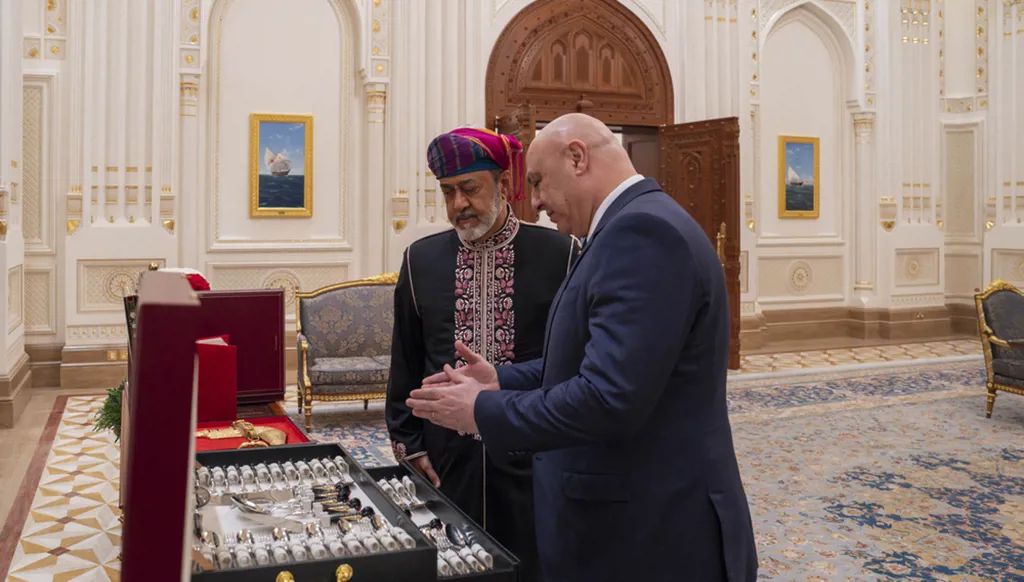


Lebanese-Omani relations are clearly transitioning towards a new phase of strategic collaboration, amid a shared desire in Beirut and Muscat to enhance political, security, economic, and cultural partnerships. The official visit of Lebanese President General Joseph Aoun to the Sultanate of Oman marked a pivotal point in this path, carrying political and economic implications that lay the groundwork for extensive cooperation that may materialize into tangible projects.
Between Oman's calm and ambitious vision to diversify income sources, and Lebanon's pressing need for reliable economic partners, the relationship between Beirut and Muscat seems poised for a new stage of economic integration.
Although the Omani market is small compared to other Gulf countries, the Sultanate's geographic location, political stability, and leadership's vision focused on economic diversification and measured openness have made it an attractive investment destination for an increasing number of Lebanese companies. In contrast, Lebanon, amidst its economic crisis, seeks sustainable Arab partnerships and a secure environment to expand its industrial and service exports.
This is where President Aoun's visit gains importance; it coincides with a time when Beirut requires qualitative economic support, and Muscat is looking for partners to support its plans in tourism, services, manufacturing, education, and technology.
In terms of numbers, trade data indicates that economic exchange between the two countries is growing steadily. It increased by 29.4% in the first half of 2025, reaching about $22.2 million. Additionally, the number of Lebanese companies operating in the Sultanate exceeded 1,035 by September 2025, with an invested capital of more than 191.5 million Omani Rial (approximately $497.9 million).
Omani Incentives
Mohammed Choucair, head of the Lebanese economic bodies, highlights that economic cooperation between the countries gained significant momentum after the COVID-19 pandemic when he led a large Lebanese delegation to Oman and obtained a series of facilities for Lebanese investors, including tax exemptions, golden residency, and ownership rights.
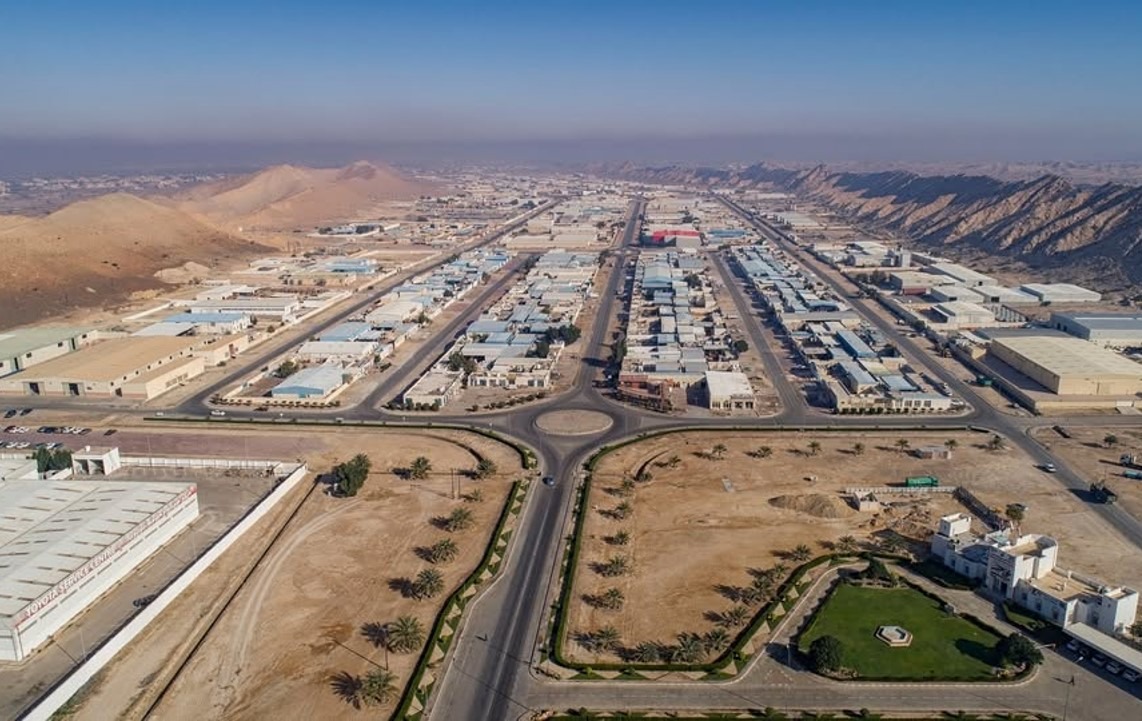
Choucair reveals to "Annahar" that after the economic bodies' visit to the Sultanate, between 15 and 20 Lebanese investors established factories there, particularly those targeting the Saudi and Gulf markets through exports, benefiting from Oman’s position as a logistical hub and its openness to industrial investment.
Choucair emphasizes "the Sultanate's distinct political stability, generous governmental facilities, and simplified entry procedures for Lebanese, making it an attractive environment for industrial investments." He points out the presence of "well-known Lebanese brands operating in the Sultanate for years, such as 'Patchi'." He assures that the industrial sector is most capable of growth, due to its ability to benefit from exports and Omani incentives directed at new industrialists.
A Policy of Steady and Measured Growth
Meanwhile, Chadi Massaad, Chairman of the Lebanese-Omani Business Council, provides a more detailed picture of the Lebanese economic presence in Oman, revealing that the number of Lebanese companies there is about a thousand, "distributed across multiple sectors, from trade to oil, security, and industry."
Massaad cites a notable example of Lebanese investments in the Sultanate, the Sarooj Construction Company owned by Lebanese Simon Karam and Ghazi Helou. He also mentions that several Lebanese have been granted Omani citizenship and actively contribute to the economic life there.
Massaad confirms to "Annahar" that the Omani market is not large, "as the Sultanate avoids transforming into a model similar to Dubai, instead opting for a carefully planned policy of steady growth. Nonetheless, significant progress has been made in tourism, agriculture, industry, and fisheries, especially with its possession of the longest Arab coasts and a wide view of the ocean. Lebanese have played an important role in the Omani tourism sector, both through investments and the increasing flow of Lebanese tourists to the Sultanate."
As for new Lebanese investment, Massaad advises focusing on consultancy services, given the intense competition from Indian workers and businessmen in low-cost production sectors. However, Massaad reveals, despite this competition, that Omanis like Lebanese people and prefer Lebanese products. He quotes a businessman ready to establish a "Lebanon Mall" in Muscat, exclusively featuring Lebanese products, as an appreciation for the status Lebanese production holds in Omanis’ hearts.