Trump's Approach to Diplomacy: Ambush or Strategy?

US 05-06-2026 | 08:19

Trump's Approach to Diplomacy: Ambush or Strategy?

A closer look at Trump’s record suggests a more complex reality than the implications of a label such as "ambush diplomacy".

Trump's Approach to Diplomacy: Ambush or Strategy?
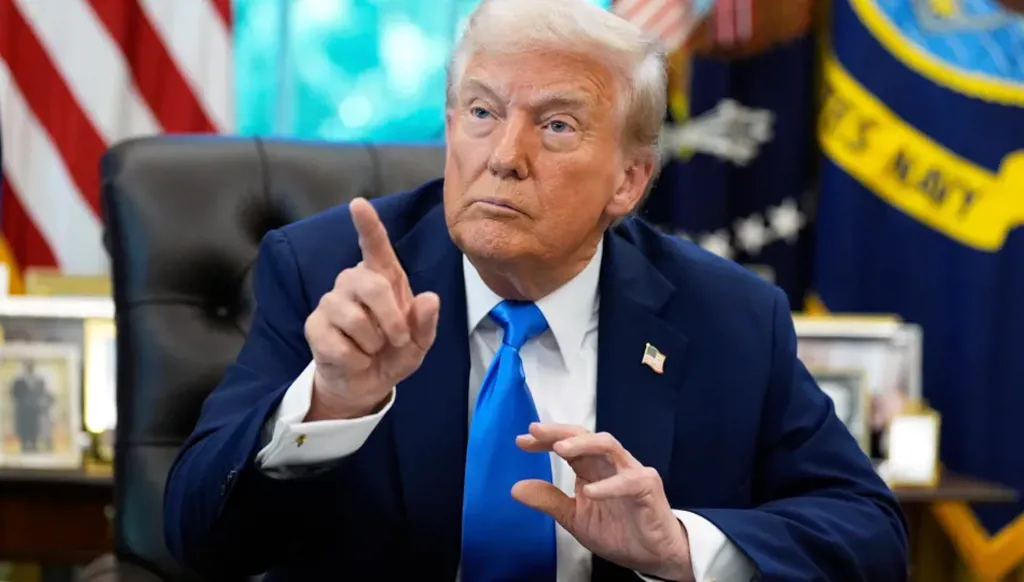
U.S. President Donald Trump at the White House, September 2025. (AP)
Smaller Bigger


The writer Brahma Chellaney, writing in the American newspaper The Hill, described President Donald Trump's negotiating approach as “ambush diplomacy,” arguing that he turns talks with adversaries into a way of distracting them before striking.


Chellaney’s examples were not limited to the previous negotiations with Iran. He also cited cases ranging from Venezuela and Syria to Nigeria. In the writer’s view, Trump follows a doctrine of “negotiating in order to attack.”


However, is this assessment accurate? While the idea is worth discussing, there is little evidence to support it. Since entering the political arena, Trump has portrayed himself as opposed to wars, to the point that he was often described as an isolationist. Self-promotion is not conclusive proof of a leader’s thinking, but Trump’s actions in office showed a tendency to favor diplomacy over war.


Past restraint when dealing with the Iran file


During his first term, when he surrounded himself with hawkish Republican advisers, Trump rejected much of their advice regarding Tehran. In the same month in 2019, Iran shot down a US drone that, according to the administration, was flying in international airspace, yet Trump refrained from a military response. Three months later, Iranian drones targeted Saudi Aramco oil facilities in Saudi Arabia.


Once again, Trump chose not to use force. He resorted to military action only when he considered it absolutely necessary, such as after the Bashar al Assad regime used chemical weapons against opposition forces, or when protesters attempted to storm the US Embassy in Baghdad, an incident that recalled the 2012 attack on the US consulate in Libya and the killing of US Ambassador Christopher Stevens.


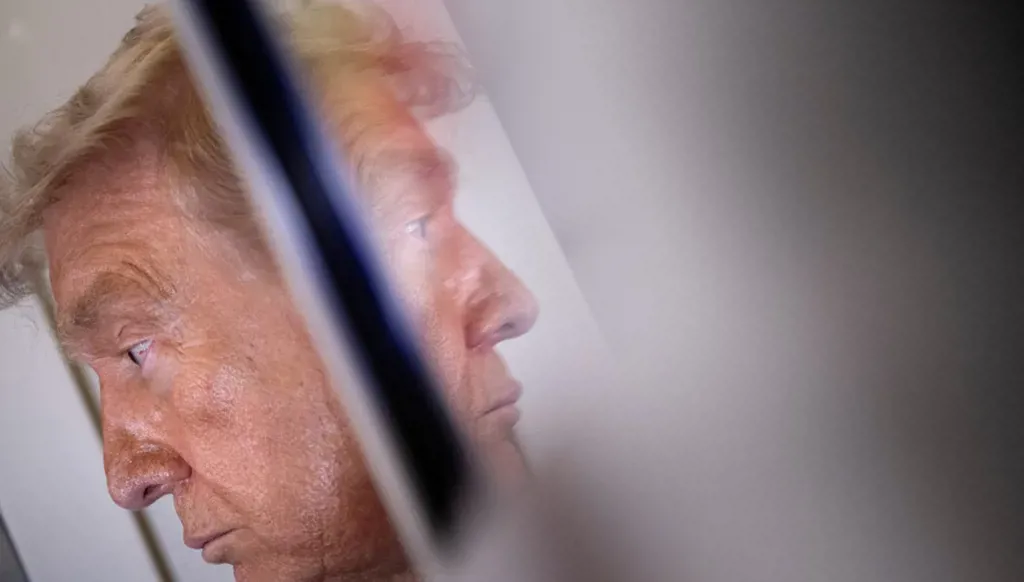
US President Donald Trump when he was a candidate in the 2024 election. (AP)


It is true that Trump has shown a greater willingness to use military force during his second term, but this still falls short of a consistent or coherent policy.


The “Monroe Doctrine” may have encouraged action against Venezuelan President Nicolás Maduro, but Maduro’s domestic unpopularity, economic weakness, and alleged involvement in drug trafficking to the United States, according to US judicial authorities, were also factors that pushed Trump toward the use of force. Even in the case of Iran, war was not inevitable.


Israeli Prime Minister Benjamin Netanyahu made Trump's task easier when he launched a unilateral war against Iran in June 2025, prompting the White House to join the operation during its final hours.


However, the US president later clashed with Netanyahu when the latter sought to resume the war after American bombers had struck Iran’s nuclear program, and again when he recently pressed for an escalation of the conflict in Lebanon. Had Operation Absolute Resolve in Caracas not achieved such rapid success, Iran might well have avoided a second war.


A personal and political approach to diplomacy


Trump most likely does not use diplomacy as a cover for military action. Rather, he sometimes views diplomatic failure as a personal and political humiliation inflicted by an adversary, which can lead him to respond forcefully.


For example, in August 2019, Trump considered a proposal to provide Iran with a $15 billion credit line and expressed his willingness to meet former Iranian President Hassan Rouhani without preconditions. That approach faced resistance and pressure from his advisers. More recently, Trump also expressed a desire to meet Iran’s Supreme Leader, Mojtaba Khamenei.


President Donald Trump at the White House, March 3, 2026. (AP)


In practical terms, it is difficult to argue that Trump follows a strategy of “ambush diplomacy.” Such a claim would require internal documents, which may not become available for years, proving that the US president first devised a secret plan to launch military strikes and then engaged in negotiations to deceive his opponents and persuade them to lower their guard.


What the events have shown so far is that Trump’s wars have generally resulted from an accumulation of factors, ranging from personal considerations to objective circumstances, rather than from carefully designed and premeditated plans.


The mere fact that military operations followed negotiations is not, by itself, sufficient evidence to support the theory of “ambush diplomacy.”