

Lebanon’s war losses near $25 Billion as reconstruction challenges loom
While the conflict continues to devastate homes, businesses, and infrastructure, officials warn that the true economic and social shock will emerge when displaced families return to communities transformed by destruction.



 Messenger
 Whatsapp
 Threads
 Email
Email
 Print
Print
 X
X
 Facebook
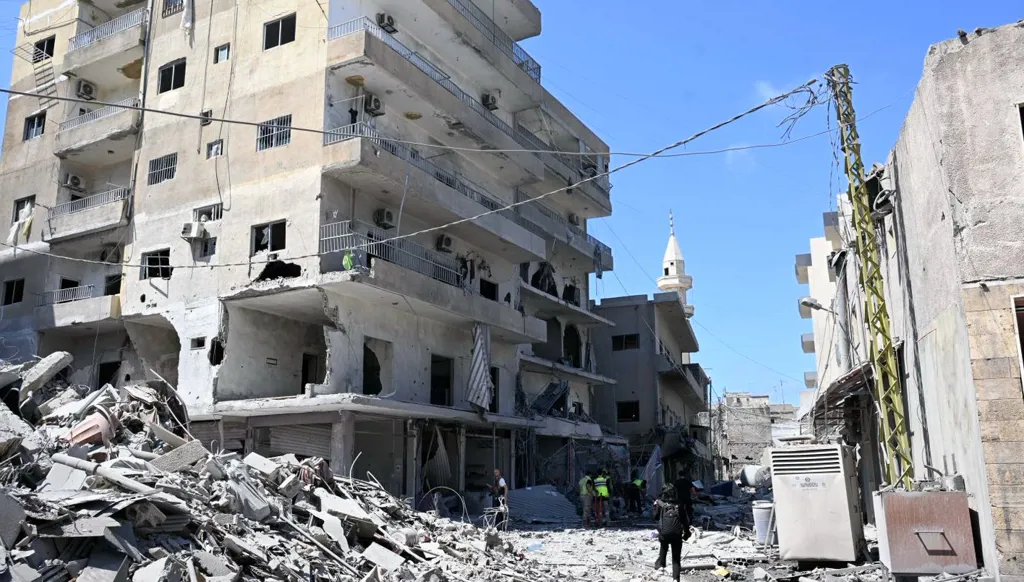


The losses continue as long as the war on Lebanon remains. Every additional hour of confrontations brings more casualties, more homes destroyed, more institutions forced to close, and more opportunities lost—many of which may never return.
The $20 billion in losses estimated by Finance Minister Yassin Jaber around ten days ago, a figure that sparked widespread astonishment, has now become merely a milestone in a process of ongoing economic hemorrhaging that is accelerating faster than any institution can calculate or fully account for.
Yet the harshest chapter has not appeared. Despite its severity, the war may still be concealing part of the reality beneath the burdens of displacement and the urgent efforts to sustain resilience.
The true shock, according to many fears, will begin when the guns fall silent and residents return to their villages and towns, only to discover the full extent of their losses: homes reduced to rubble, institutions rendered inoperable, livelihoods disrupted, and an economic and social reality that may take years to repair.
This is the reality that concerns Jaber, who told Annahar that the impact extends far beyond direct material losses to encompass broader economic and social consequences that will gradually emerge once the war ends. He estimates cumulative losses since the 2024 war at more than $20 billion, with indicators suggesting they could reach $25 billion. In his view, every additional day of conflict inevitably increases the cost.
From $7 Billion to More Than $20 Billion
These estimates reflect a steadily rising trajectory of losses. At the end of 2024 and the beginning of 2025, the World Bank estimated direct damages at approximately $7 billion, covering homes, infrastructure, and damaged facilities. It also estimated indirect losses of between $5 billion and $7 billion, resulting from economic contraction, declining GDP, and lost investment and profit opportunities.
According to Jaber, those figures no longer reflect the current reality after additional months of destruction and economic disruption. This prompted the launch of new studies conducted jointly by the National Council for Scientific Research and the World Bank to assess emerging damages.
These studies are particularly significant because they rely on satellite imagery and advanced technologies to translate field observations into precise numerical estimates. Their publication with World Bank support also gives them a high degree of international credibility.
61,000 Housing Units Affected
According to official figures announced by Chadi Abdallah, Secretary-General of the National Council for Scientific Research, the number of completely or partially destroyed and damaged housing units in Lebanon reached approximately 61,056 between March 2 and May 8, 2026.
However, this figure no longer accurately reflects current conditions, as the number has undoubtedly risen substantially since then due to continued attacks and the ongoing targeting of Lebanese areas, resulting in additional damage to homes and property. The number of affected units stood at 50,424 as of April 16, 2026, before increasing by more than 10,000 units in less than a month—a clear indication of the accelerating pace of housing losses.
Jaber views these losses not merely through the lens of demolished buildings but through their deeper impact on the economy as a whole. The south, which has borne the brunt of the attacks, accounts for roughly 25% of Lebanon’s national economy. As a result, the damage has extended beyond private and public property to affect production, agriculture, commerce, and services.
From this perspective, Jaber stresses that a large share of the losses remains invisible for now. Lost profits, postponed investments, weakened consumption, and the loss of commercial and tourism seasons all constitute a significant part of the economic bill.
The Eid al-Adha season has already been directly affected, while concerns continue to grow over the summer season, which had been expected to stimulate economic activity and generate much-needed financial inflows.
The Major Shock After the Future Return
The issue that most concerns the finance minister is the post-ceasefire phase. In his view, the real shock will emerge when residents return to their villages and towns and discover the scale of destruction that has affected both their homes and their sources of livelihood. At that point, the crisis will move beyond temporary displacement and enter a new phase focused on reconstruction and the rebuilding of economic and social life in the affected areas.
In preparation for this stage, the state is exploring multiple options to provide ready housing and rapid solutions for families who have lost their homes, while simultaneously engaging with international institutions and donor countries to secure the necessary funding. However, Jaber does not hide the difficulty of the task in what he describes as an international environment very different from the one Lebanon experienced during previous crises.
External aid remains limited compared to the scale of the disaster. While Lebanon received approximately $700 million in assistance during 2024, along with dozens of aircraft carrying humanitarian aid, currently available support does not exceed around $130 million. At the same time, donor countries themselves are facing economic pressures and crises that limit their capacity to provide additional assistance.
Financial pressures extend beyond future reconstruction costs. They also include the expenses associated with displacement, which have already reached hundreds of millions of dollars.
Jaber points to funding provided by donor agencies, government credits, and European support mechanisms to meet growing humanitarian and social needs—burdens that are likely to increase the longer the conflict continues.
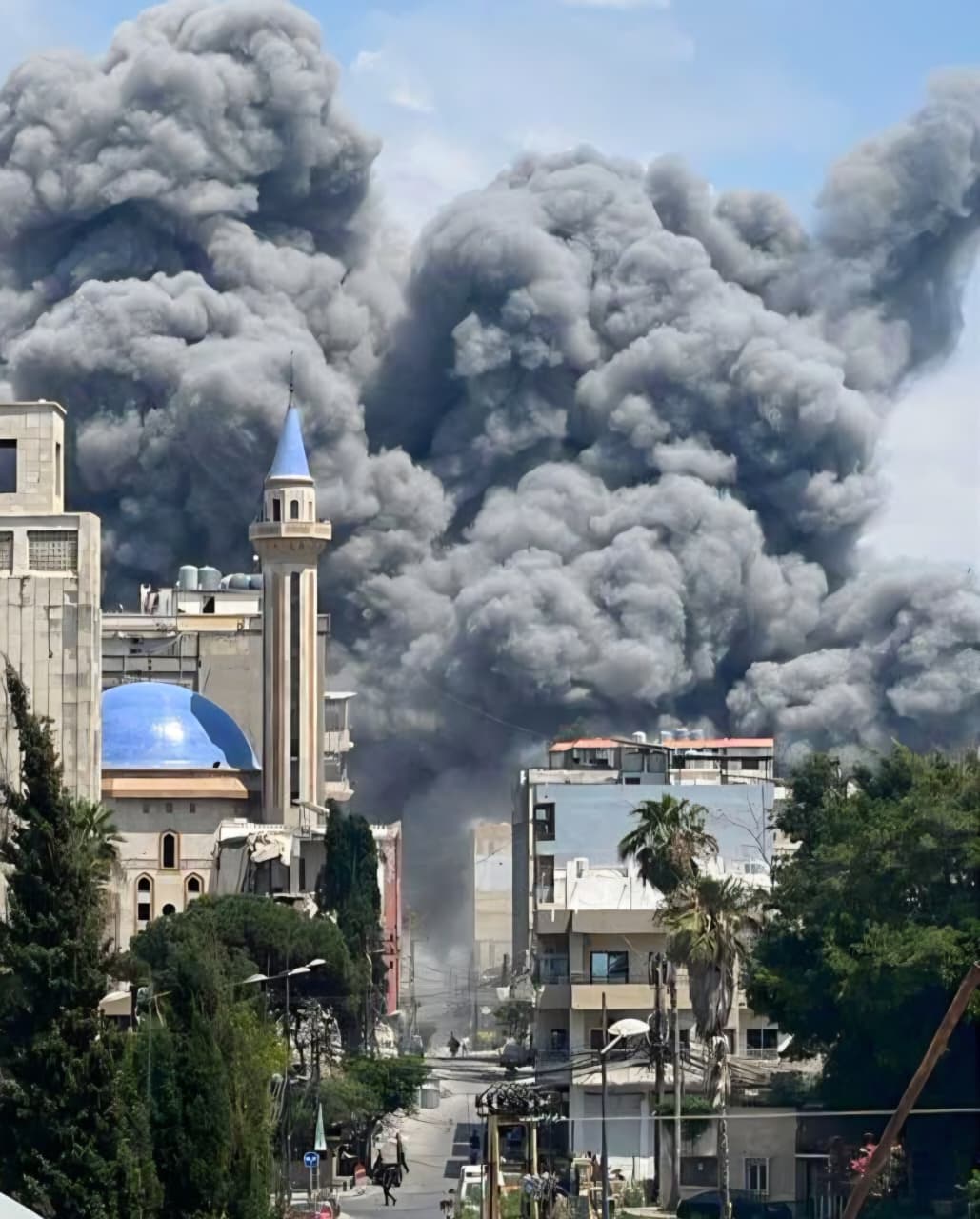
Recovery Hinges on International Funding
Regarding the recovery phase, Jaber says that the Lebanese economy naturally possesses the ability to regain part of its activity relatively quickly, as it has done in previous periods. However, the current scale of destruction and the severe financial challenges facing Lebanon make the task considerably more complex this time.
As a result, the speed of economic recovery will remain directly linked to how the war ends and to Lebanon’s ability to secure broad international funding for reconstruction.