

Talks slide back to square one amid escalation between Washington and Tehran
As US–Iran negotiations stall under new Trump conditions and Iranian distrust, regional tensions from Hormuz to Lebanon risk turning the diplomatic impasse into wider confrontation.


 Messenger
 Whatsapp
 Threads
 Email
Email
 Print
Print
 X
X
 Facebook



The pressures facing the ongoing negotiations between the United States and Iran, which are being mediated by Pakistan and Qatar, go beyond what US President Donald Trump describes as the “negative chatter” coming from what he calls “Democrats and unpatriotic Republicans.” The problem lies in the diverging positions on core issues, from the nuclear program to the Strait of Hormuz and sanctions, extending all the way to regional axes, foremost among them Lebanon.
Since Trump withdrew from signing the agreement on Friday, he has remained convinced that the United States can secure a better deal. He therefore sent strict conditions to Tehran and is waiting for a response, even though rising tensions signal the erosion of an already fragile ceasefire. US forces are striking sites belonging to the Revolutionary Guard in the Strait of Hormuz, while Iranian forces are responding by striking US bases in Kuwait. What would happen if Israel were to expand its attacks in Lebanon with clear US approval?
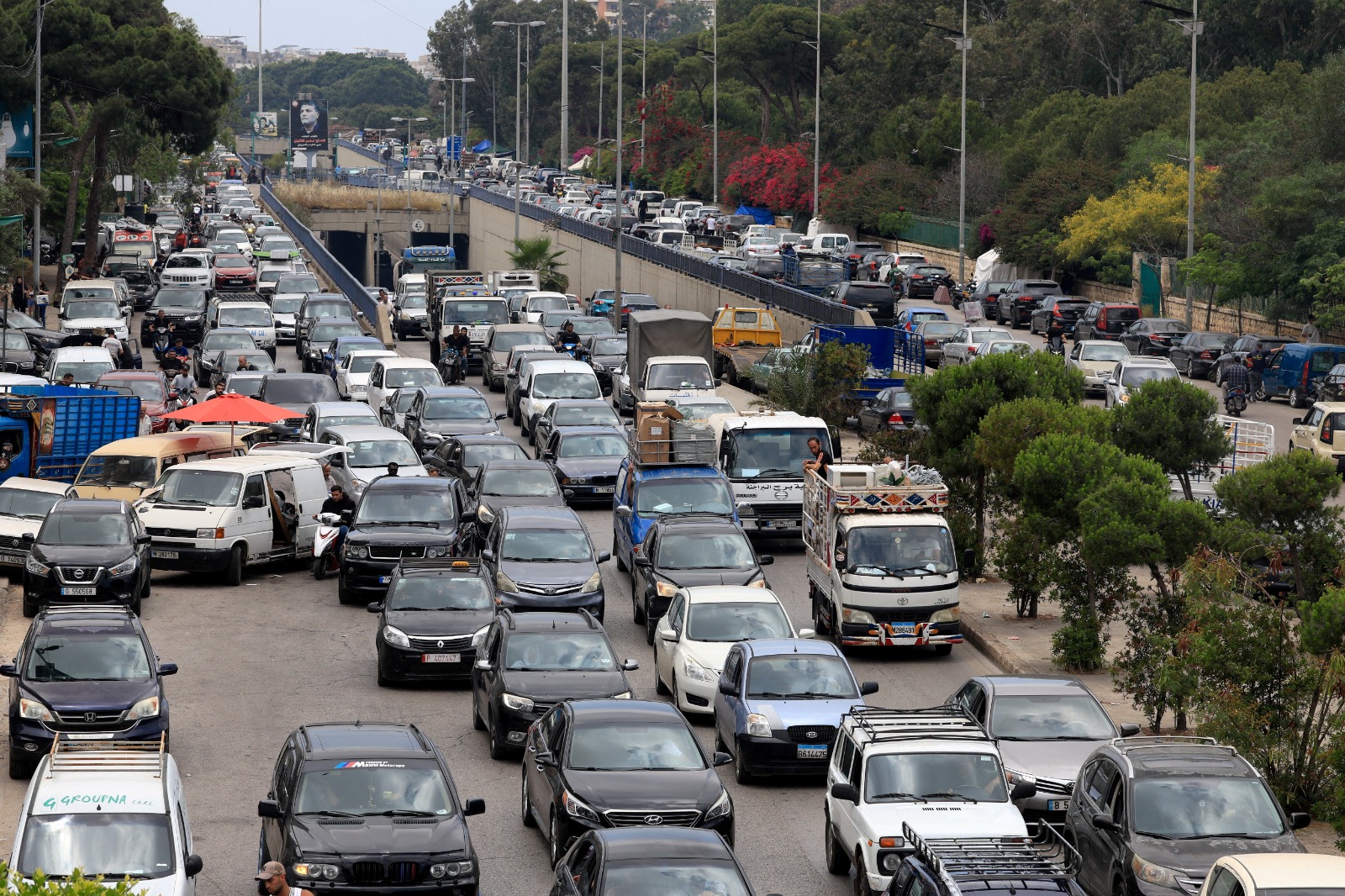
The negotiations are returning to square one
Trump’s new conditions and Iran’s insistence on its positions are pushing the negotiations back to their starting point. Iranian Foreign Minister Abbas Araghchi summed up the situation by saying that everything being said about the memorandum of understanding is nothing more than “mere speculation.” The chief Iranian negotiator Mohammad Bagher Qalibaf attributed the slow pace of the talks to a “lack of trust” in the American side, stressing that Iran “will not accept a deal that does not guarantee the rights of Iranians.” He also saw the Israeli escalation in Lebanon as evidence of a lack of US commitment to its promises.
If matters continue in this direction, they may reach a formula described by Iran scholar at the Carnegie Endowment for International Peace Karim Sadjadpour, which is that a good deal for the United States will not be accepted by Iran, and a good deal for Iran will not be accepted by the United States.
Amid this impasse, it is no coincidence that Israeli Prime Minister Benjamin Netanyahu issued orders to resume the bombing of Beirut’s southern suburbs. Trump had previously imposed restrictions, after the ceasefire with Iran on April 8, on Israeli airstrikes on Beirut and the southern suburbs, following the “Black Wednesday” that coincided with the entry into force of the ceasefire on the Iranian front.
Mutual strikes and the heating up of the Lebanese front are becoming key pressure tools to create a diplomatic opening that could lead to a compromise in which both sides can claim victory.
Hormuz between escalation and de-escalation
As the negotiations become more complicated, the ceasefire becomes more fragile and more exposed to collapse, with the possibility of a wider war no longer excluded. A state of neither war nor peace cannot persist for long unless accompanied by active diplomacy, similar to that led by Pakistan in the period following the collapse of the Islamabad talks on April 10 and 11, without reaching an agreement.
In the meantime, the Trump administration is trying to portray navigation through the Strait of Hormuz as if it were not impossible despite Iran’s closure of the strait. In this context, a US official announced that US Central Command had facilitated the passage of 70 commercial vessels to and from the Gulf through Hormuz.
These ships were likely passing through the Omani side of the strait, out of sight of the Iranian Revolutionary Guard, which allows about 20 ships a day to pass in coordination with Iranian authorities, while vessels attempting to pass without permission are ordered to turn back.
Disclaimer: The opinions expressed by the writers are their own and do not necessarily represent the views of Annahar