

US hits Iranian military sites, Tehran signals distrust as negotiations stall
As the United States hardens its stance in nuclear talks, a new round of military confrontation is unfolding across the Gulf.


 Messenger
 Whatsapp
 Threads
 Email
Email
 Print
Print
 X
X
 Facebook
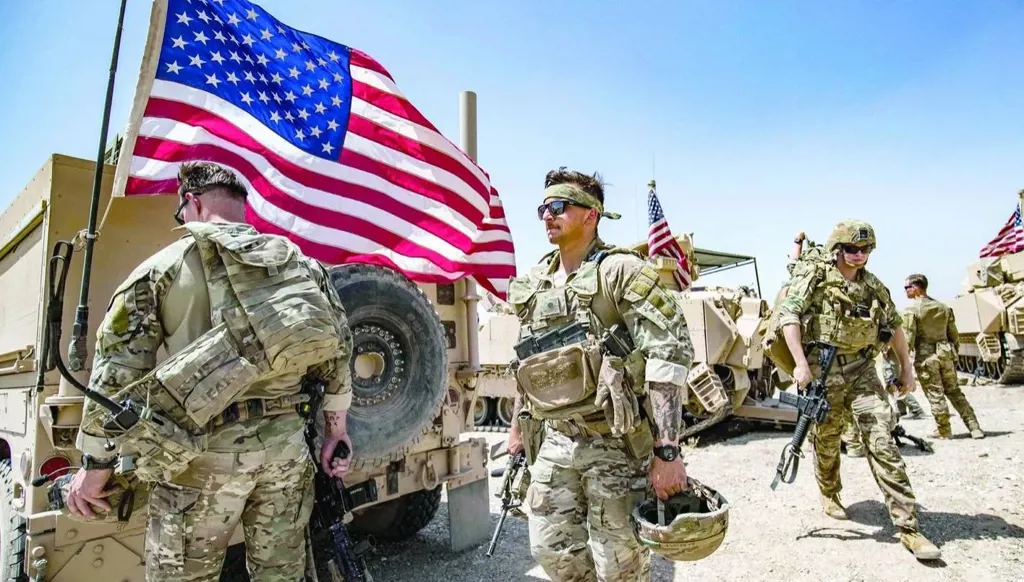


The U.S. Central Command (CENTCOM) announced on Monday morning that it had carried out airstrikes on sites in Iran earlier this week.
In a statement, CENTCOM said the strikes targeted "radar and command-and-control centers for drones on the Iranian islands of Goruk and Qeshm."
According to the command, the operation was launched "in response to hostile Iranian actions, including the downing of an American MQ-1 drone that was flying over international waters."
In response, Iran's Revolutionary Guard said it had targeted an airbase used in the American attack on a communications tower on Sirik Island in southern Iran.
The exact location of the airbase was not disclosed. Shortly before that announcement, the Kuwaiti army reported that it was repelling an attack involving missiles and drones.
In a post on X, the army's General Staff said: "The General Staff of the Army announces that if explosion sounds are heard, it is due to air defense systems intercepting hostile attacks."
Iran Does Not Trust Washington
Earlier, on Sunday, Speaker of Parliament and chief Iranian negotiator Mohammad Bagher Ghalibaf warned that the United States could not be trusted, stressing that Iran would not agree to any deal that failed to guarantee its rights, amid reports that Washington had tightened its conditions in an effort to reach an understanding with Tehran.
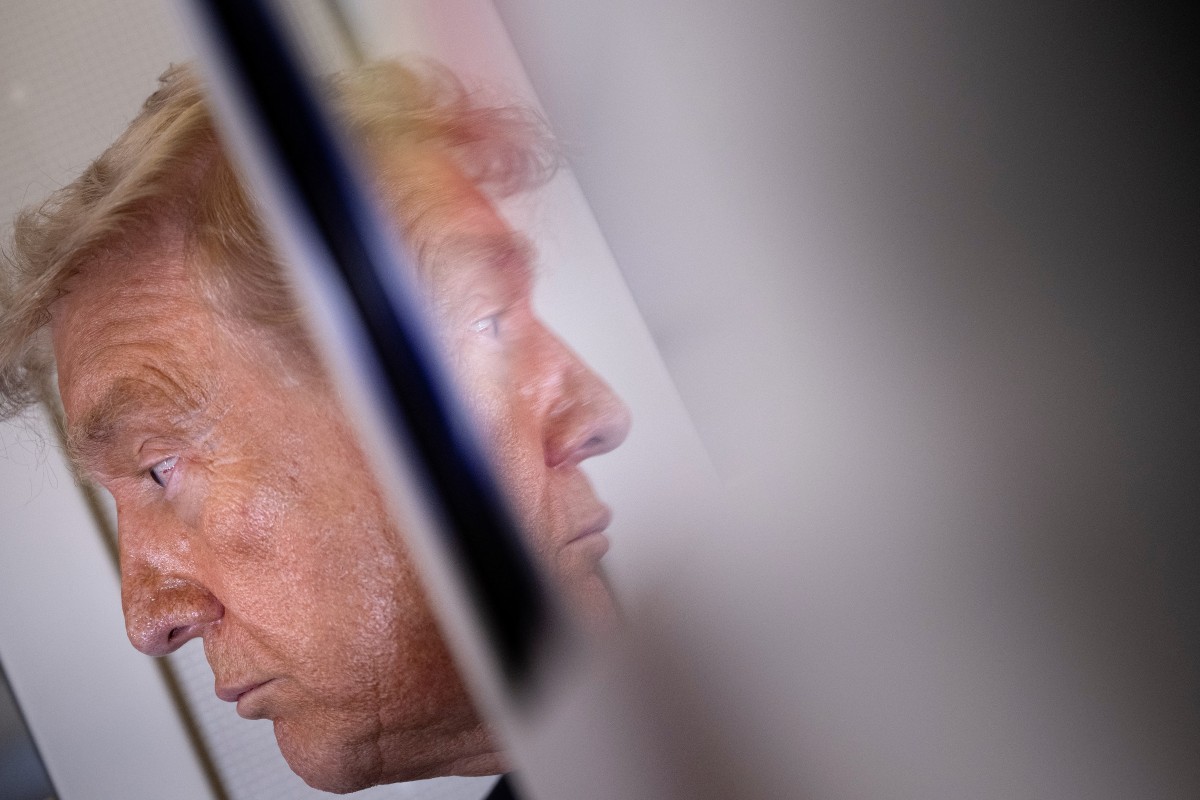
His remarks came after reports indicated that U.S. President Donald Trump had sent Tehran a revised proposal containing stricter terms, highlighting the disagreements that the two sides still need to resolve.
Any amendments to the proposal could further delay an agreement after weeks of difficult negotiations marked by sharp rhetoric and tensions in the Gulf.
In comments broadcast on state television, Ghalibaf said: "We will not approve any agreement before ensuring the protection of the Iranian people's rights."
He added that Iranian negotiators "do not trust the enemy's words or promises."
Meanwhile, Iranian Foreign Minister Abbas Araghchi said, according to state television, "Until a clear result is reached... everything being said now is mere speculation."
While American media outlets did not reveal the specific changes made by Trump, The New York Times and Axios reported that the president had adopted a tougher stance on several key issues, particularly those related to Iran's nuclear materials.
In an interview recorded in recent days and aired on Fox News on Saturday, Trump said he had obtained guarantees from Tehran that it would neither manufacture nor purchase a nuclear weapon.
"They agreed to that, and it was interesting," Trump said.
He added: "They first said: we will not manufacture a nuclear weapon, so I said: okay, what if you buy a nuclear weapon? And now they are saying: we will not manufacture a nuclear weapon and we will not buy it."
Trump concluded: "I'm not in a hurry. Slowly but surely, I think we are getting what we want. If we don't get what we want, things will go a different way."