

Qal'at al-Shaqif: From strategic fortress to the “Monster on the Mountain” in Israeli memory
A towering stronghold over southern Lebanon that has long symbolized both military obsession and lasting trauma in the history of the Arab-Israeli conflict.


 Messenger
 Whatsapp
 Threads
 Email
Email
 Print
Print
 X
X
 Facebook
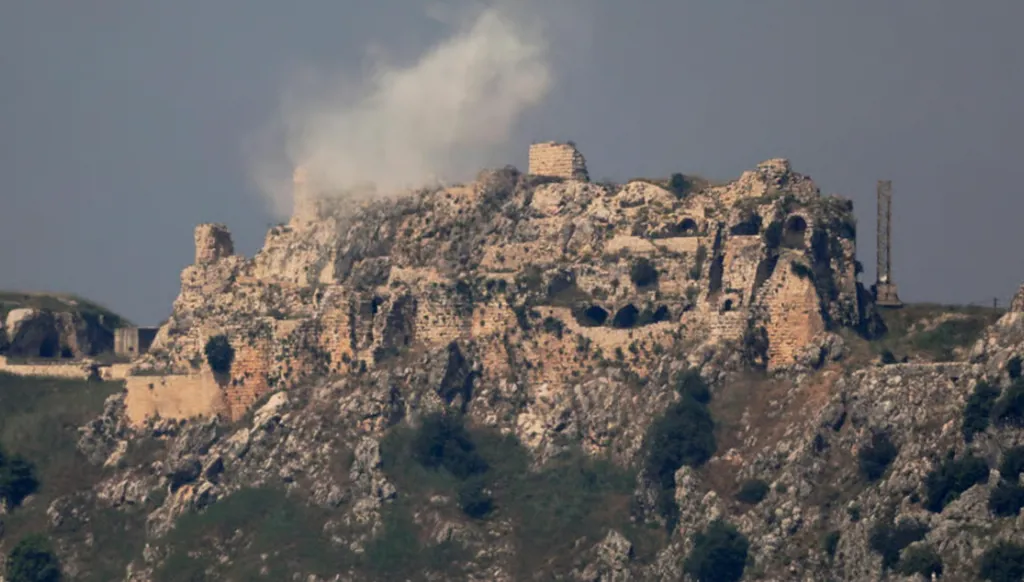


Qal'at al-Shaqif (Beaufort Castle or Beaufort) was never just a stone fortress rising over the hills of southern Lebanon. For decades, the castle located on a high ground overlooking the Litani Valley and Upper Galilee has turned into a military and psychological knot in the Israeli mindset, so much so that Hebrew media today once again describe it as the monster on the mountain, with rising talk about Israeli military activity near it and the possibility of returning to it.
This expression did not emerge from nowhere, but from a long history of battles, losses, and withdrawals that made Qal'at al-Shaqif a heavy symbol in the memory of the Israeli army, just as it is a symbol of resilience in the Lebanese and Palestinian memory.
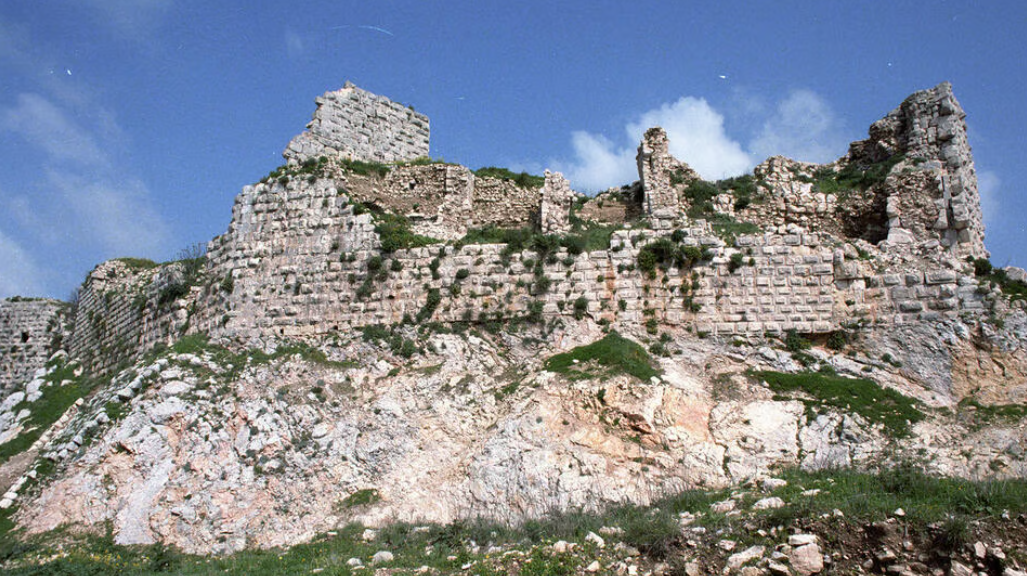
The castle, known in Israel as “Beaufort,” is located at an altitude of approximately 700 meters above sea level, which gives it an exceptional ability to overlook vast areas of southern Lebanon and northern occupied Palestine.
For this reason, over the centuries it has been a highly important military site, successively controlled by the Crusaders, the Mamluks, and the Ottomans, before turning in the modern era into a permanent point of confrontation in the Arab Israeli conflict.
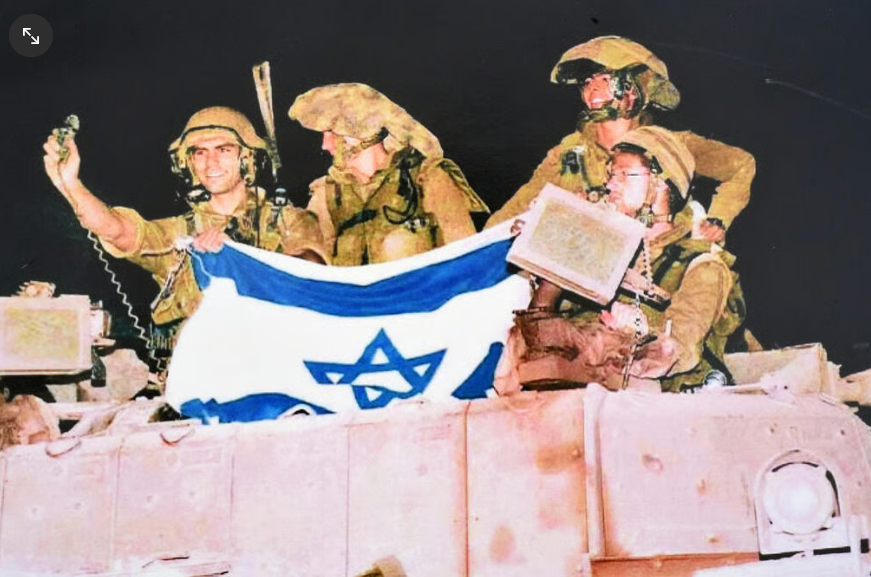
According to the narrative revived by Hebrew media, the Palestine Liberation Organization used the castle until 1982 as an observation post, as well as to disrupt any potential Israeli military movement in the area. For this reason, during the invasion of Lebanon, the Israeli military establishment considered that “neutralizing the monster on the mountain” was a fundamental condition for protecting northern Israel.
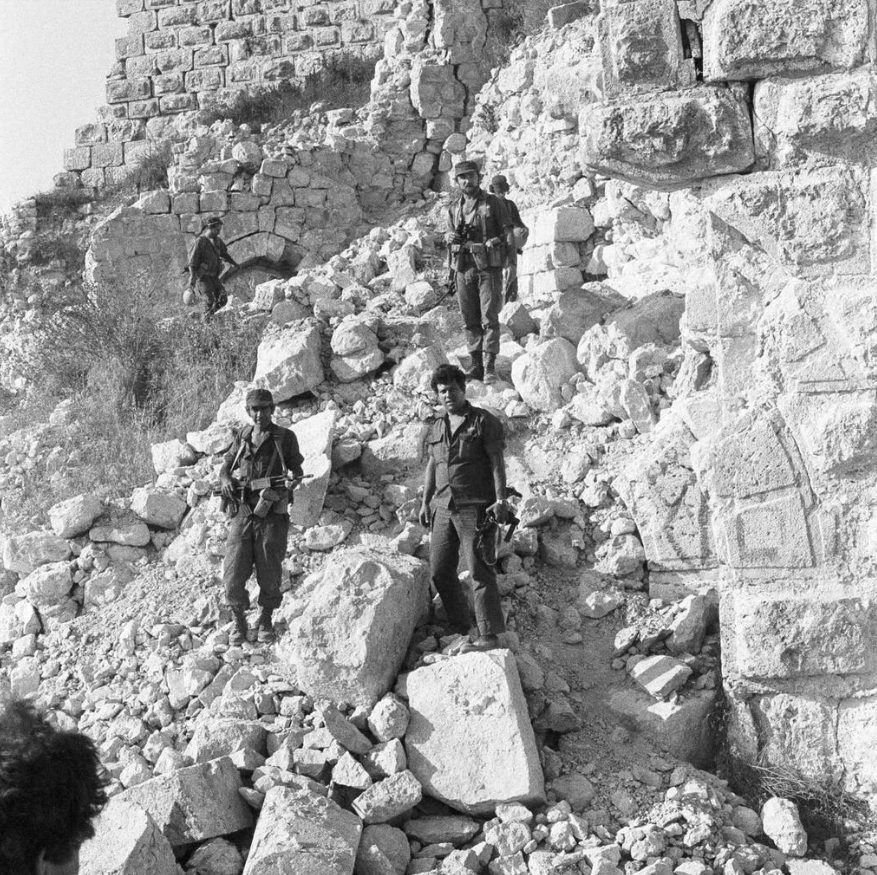
However, storming the castle was not easy, according to Hebrew media. On the night of June 6, 1982, the reconnaissance unit of the Golani Brigade was tasked with advancing along a narrow, winding mountain road toward the castle in an operation that later became one of the most famous and deadliest battles in the history of the Israeli army.
Inside trenches and concrete fortifications, close range direct combat took place under fierce resistance. Israelis describe that night as a “victory at an unbearable cost,” after several Israeli officers and soldiers were killed, including senior commanders in the Golani unit.
Since then, the image of the castle has been cemented in Israel as a place that “swallows soldiers” and drains forces, turning Qal'at al-Shaqif into a symbol of fear and losses rather than military victory.
This image did not end with the conclusion of the invasion. After Israel withdrew to what was known as the “security zone” in 1985, the castle became an exposed forward military position. Israeli soldiers lived inside concrete bunkers and fortified tunnels under continuous bombardment, while the road leading to the castle became known in Israel as the “bloody road” due to the many attacks and explosive devices that targeted soldiers there.
During those years, Qal'at al-Shaqif became a symbol of the idea of the “Lebanese swamp” within Israeli society. Dozens of soldiers were killed or injured in the vicinity of the castle, while Israeli public opinion began to question the value of remaining in southern Lebanon at all.
Over time, the castle was no longer seen as a position that provided military superiority, but as a permanent human and psychological burden.
In May 2000, that phase ended in a moment that remains deeply engraved in Israeli memory. With the decision of former Israeli Prime Minister Ehud Barak to withdraw from southern Lebanon, the castle was evacuated in complete secrecy before the Israeli army blew up the site with tons of explosives, to prevent Hezbollah flags from being raised over the military fortifications. That explosion was not merely an engineering operation, but a declaration of the end of one of the most costly military experiences in modern Israeli history.
Today, with renewed escalation in southern Lebanon, Hebrew media have reopened the file once again. Israeli reports speak about the castle’s strategic importance and its ability to provide a wide fire control observation point for the Israeli army, but at the same time they raise an old question that has returned to haunt the military establishment: does the “monster on the mountain” deserve to be returned to again?
The report quoted Israeli researcher Orna Mizrahi as saying that Qal'at al-Shaqif (Beaufort Castle) “carries significant symbolic weight due to the Israeli army’s history there,” but she questioned the usefulness of reoccupying it, warning that the castle lies deep inside southern Lebanon and that holding it could reproduce the same experience that pushed Israel to withdraw a quarter of a century ago.
As the castle returns today to the forefront of shelling and war, Qal'at al-Shaqif (Beaufort Castle) appears to be more than just a military or archaeological site. It is a place where memory blends with history, defeat with symbolism, and southern Lebanon with one of the most painful and complex chapters of the Arab Israeli conflict.