

Ceasefire under strain as Lebanon’s military delegation heads to Washington
With Israeli escalation intensifying on the ground, discussions in Washington focus on enforcing the ceasefire, strengthening the Lebanese Army’s capabilities south of the Litani, and whether deteriorating conditions could delay upcoming Lebanon Israel negotiations.


 Messenger
 Whatsapp
 Threads
 Email
Email
 Print
Print
 X
X
 Facebook

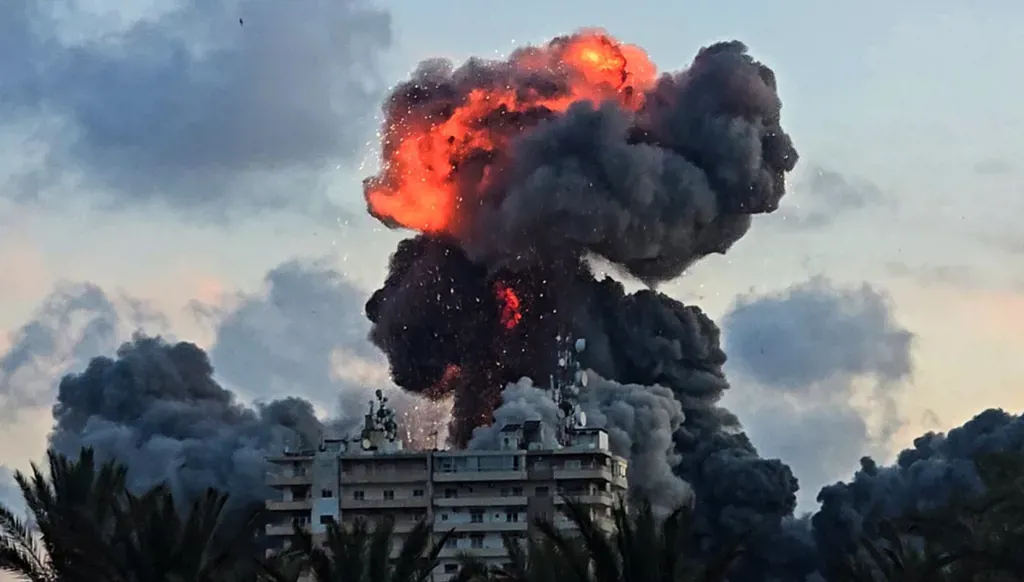
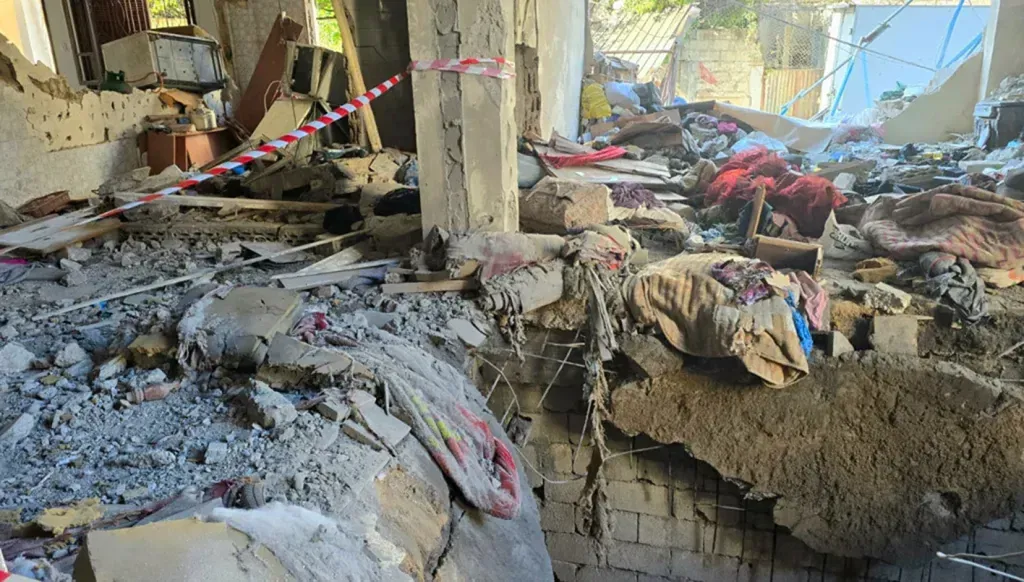


The Lebanese military delegation arrived in Washington to take part in Pentagon meetings scheduled for May 29 of this month, at a highly sensitive moment both on the ground and politically, as Israeli strikes expand across southern Lebanon and the western Bekaa, and talk resumes about the possibility of postponing the next round of direct negotiations between Lebanon and Israel if the escalation continues at the same pace.
According to available information, Washington is primarily focusing on consolidating the ceasefire. Its main demand remains the halt of Hezbollah’s military operations, particularly drone activity, and obtaining clear guarantees that escalation from the Lebanese side will not resume.
This message has been conveyed more than once through political and security channels to Speaker of Parliament Nabih Berri, who is effectively managing a large part of the communications linked to the negotiations.
However, the question being raised in Beirut is what the Lebanese delegation is bringing to Washington under this pressure. Does Lebanon actually possess real negotiating cards, or is the mission limited to containing pressure and attempting to prevent a complete collapse of the ceasefire process?
LAF presents what it has achieved south of the Litani
According to the information, the Lebanese military delegation will present to US officials a summary of what the Lebanese Army has accomplished since its deployment in the south of the Litani area following the first ceasefire agreement on November 27, 2024, in an attempt to respond to Israeli and American accusations that the Lebanese military deployment has been insufficient or ineffective.
The delegation will provide a detailed briefing on the measures taken by the army, both in terms of deployment and in clearing mines and removing ammunition and explosives. It will also outline the field challenges it has faced, particularly the lack of accurate information about tunnels and military infrastructure in some areas, as well as the significant shortage of military and logistical equipment.
It will also note that 12 soldiers were killed during demining, engineering surveys, and the removal of war remnants, sending a clear message that the military institution has paid a direct price while carrying out its missions to stabilize the situation in the south.
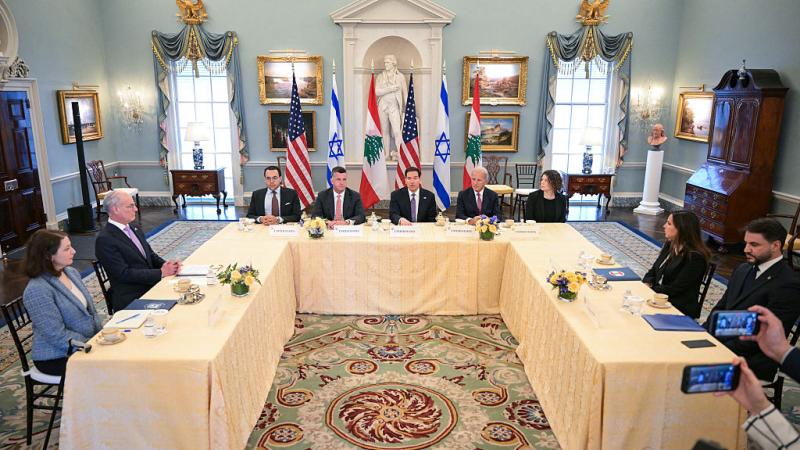
Will the next round be postponed?
In contrast, the fate of the next round of negotiations remains directly tied to developments on the ground. The ongoing Israeli escalation and the expansion of strikes to major cities and urban centers are increasing tensions and placing any negotiating process under real scrutiny.
Diplomatic sources fear that the continuation of military operations could lead to postponement of the expected round, or at least to its convening in an extremely complicated atmosphere.
This is particularly the case as Israel is attempting to raise the level of military and political pressure ahead of any negotiations, while Lebanon is seeking to establish a framework based on a ceasefire first, before moving on to any broader security or political discussions.