

Trump threatens Oman as Iran, US clash over Strait of Hormuz control and reported draft deal
Escalating tensions between the United States and Iran over the Strait of Hormuz include reported strikes, drone interceptions, and competing claims about a proposed agreement involving shared management of the key shipping route with Oman.


 Messenger
 Whatsapp
 Threads
 Email
Email
 Print
Print
 X
X
 Facebook
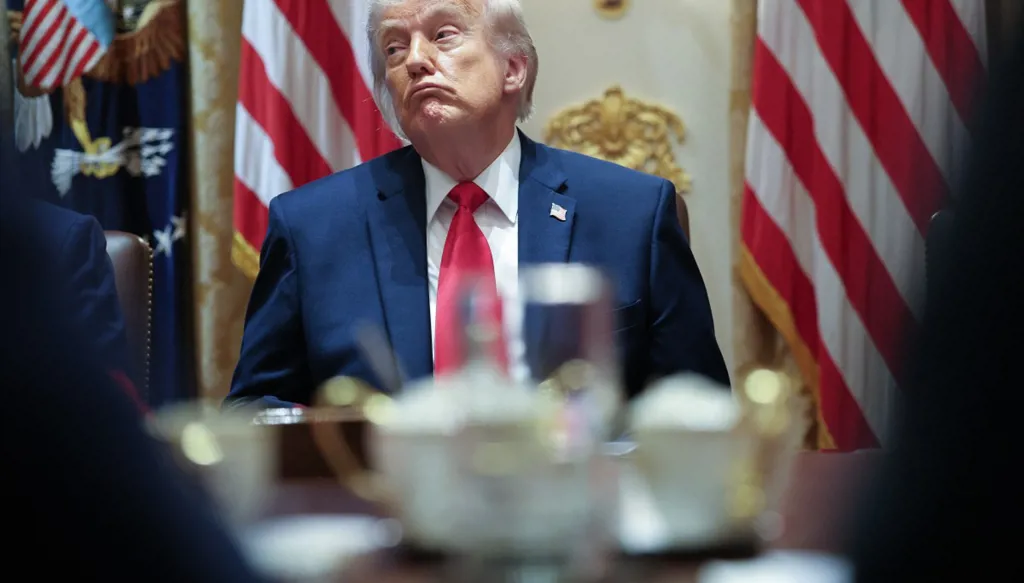


U.S. President Donald Trump on Wednesday appeared to threaten to attack Oman, a U.S. ally, if it sided with Iran over the issue of reopening the Strait of Hormuz.
Trump said that Oman must “behave better,” otherwise he would “blow them up,” in response to a question about whether he would accept a short-term agreement allowing Iran and the Gulf state to control the waterway.
Speaking to journalists during a cabinet meeting at the White House, Trump said, “No, the strait will be open to everyone.”
He added, “It is international waters, and Oman will behave like everyone else, otherwise we will have to blow them up. They understand that and they will be fine.”
Oman is considered a key ally of the United States and has attempted to play a mediating role in the Middle East war, while Tehran has carried out attacks against it.
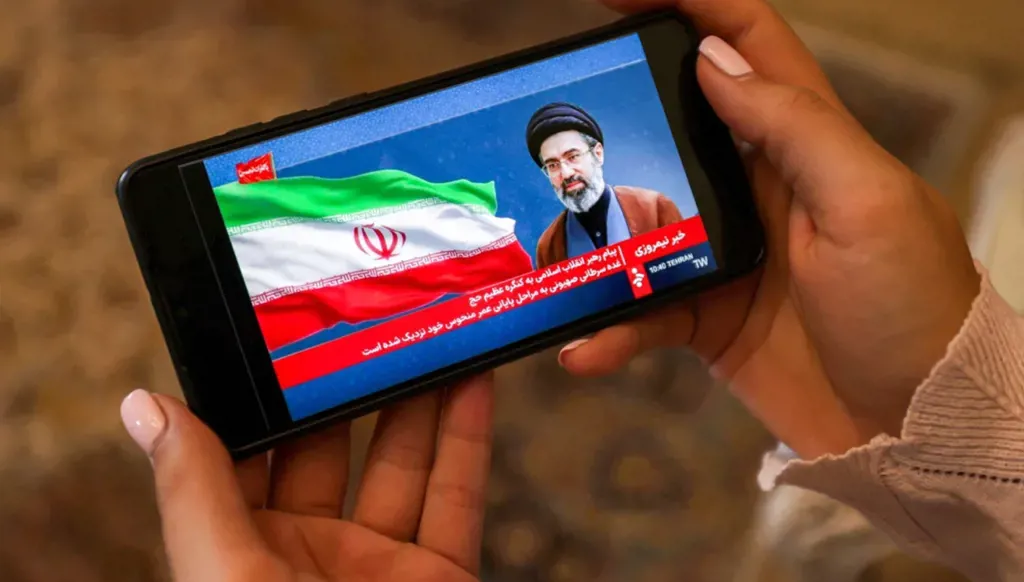
The U.S. State Department later published a video and transcript of Trump’s remarks about Oman, without any correction or clarification.
Iranian Foreign Ministry
Ismail Baghaei, spokesperson for Iran’s Foreign Ministry, said in a statement on Thursday that Tehran condemns the U.S. attack on areas in Bandar Abbas.
Baghaei added that Iran also expresses solidarity with the Sultanate of Oman following “threats by U.S. officials,” in the wake of President Donald Trump’s threat to bomb Oman if it did not “behave like any other country” regarding control over the Strait of Hormuz.
The 79-year-old president had earlier appeared to confuse Iran with Venezuela, saying that the South American country, whose leader Nicolás Maduro was ousted by U.S. forces in January, “no longer has a navy and no longer has an air force.”
Trump has repeatedly used this phrasing to refer to Iran, which was attacked by the United States and Israel on February 28.
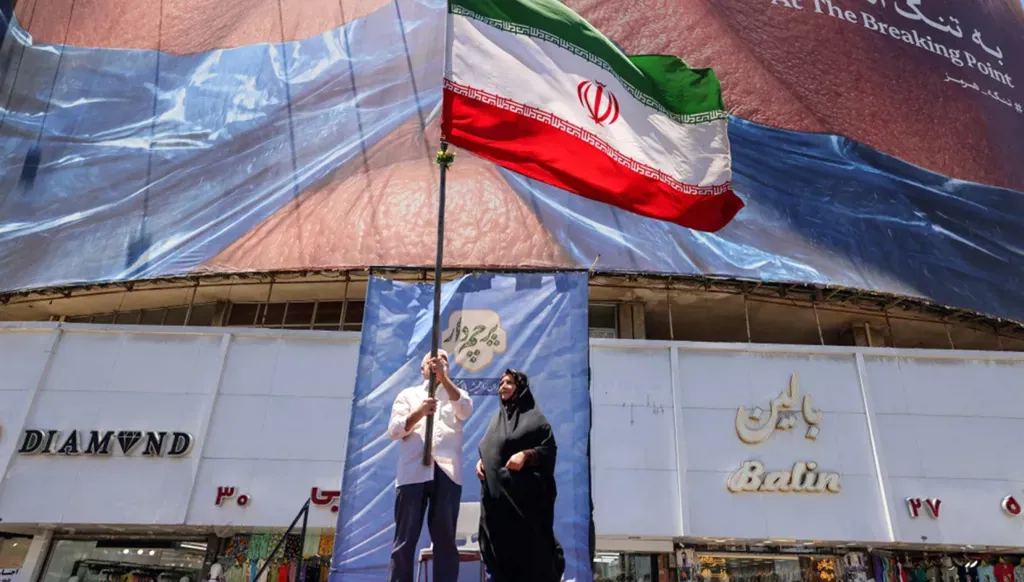
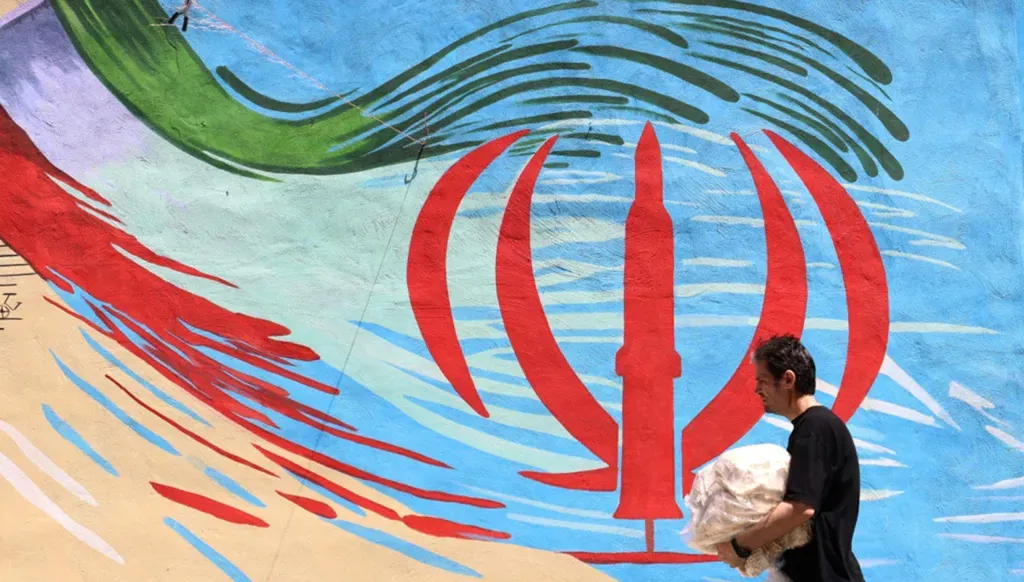
Iran has indicated that it is seeking to impose a new reality in the Strait of Hormuz, through which about one-fifth of the world’s oil usually passes, by imposing fees on passing ships and sharing revenues with Oman.
The stalled negotiations to end the war in the Middle East and reopen the strait have frustrated Trump, just days after he said that a deal was close.
Latest developments
A U.S. official announced that the American military carried out new airstrikes in Iran targeting a military site that officials determined posed a threat to U.S. forces and commercial ships in the Strait of Hormuz. This came hours after President Donald Trump denied an Iranian report claiming there was an agreement to resume navigation through the strategic waterway.
The U.S. official, who requested anonymity, told Reuters on Wednesday that the military also intercepted and shot down four Iranian drones that posed a threat. He added that the targeted military site was a ground control station in Bandar Abbas that was about to launch a fifth drone.
Iranian media reported three explosions in the area around 1:30 a.m. local time on Thursday (10:00 p.m. GMT on Wednesday). A U.S.–Iran ceasefire agreement came into effect in April.
The official said: “These actions are calculated and purely defensive and are aimed at maintaining the ceasefire.”
Meanwhile, Iran’s Revolutionary Guard announced on Thursday that it targeted a U.S. airbase at 04:50 local time, following what it described as a U.S. attack near Bandar Abbas airport earlier that morning, without specifying the base’s location.
It warned that any repetition of what it called aggression would prompt a “more decisive response,” saying responsibility for the consequences lies with the “aggressor.”
The U.S. military had carried out strikes in southern Iran on Monday, which it described as a defensive move. Iran, however, called it a “blatant violation” of the ceasefire.
Draft agreement
Iran’s state television said on Wednesday that it had obtained an unofficial draft of an agreement that would restore commercial shipping through the strategic strait to prewar levels within a month, with Iran and the Sultanate of Oman jointly managing the waterway.
In a cabinet meeting attended by the media, Trump denied the Iranian report and said that no country would be allowed to control the waterway. He appeared to threaten Oman, a country with which the United States has had military and economic ties for decades.
He added: “No one will control the strait... these are international waters and Oman will behave like any other country, otherwise we will have to strike it. They understand that and they will be fine.”