

US-Iran trade strikes and dispute over draft deal on Strait of Hormuz
Military escalation, contested ceasefire claims, and conflicting reports over a proposed agreement deepen tensions as oil prices swing and regional stakes rise.


 Messenger
 Whatsapp
 Threads
 Email
Email
 Print
Print
 X
X
 Facebook
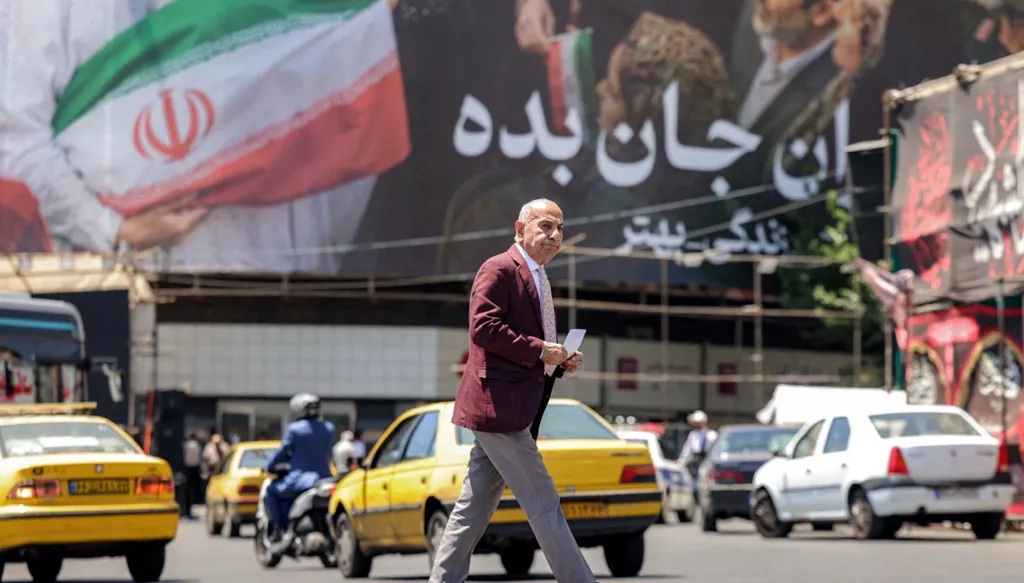


A US official announced that the country’s army carried out new airstrikes in Iran targeting a military site, which officials concluded had posed a threat to US forces and commercial ships in the Strait of Hormuz.
This came hours after President Donald Trump denied an Iranian report about an agreement to restore maritime traffic through the strategic waterway.
The US official, who requested anonymity, told Reuters on Wednesday that the military also intercepted and shot down four Iranian drones that were considered a threat. He added that the targeted military site was a ground control station in Bandar Abbas that was about to launch a fifth drone.
Iranian media reported three explosions in the area at around 1:30 a.m. on Thursday local time, which is 10:00 p.m. GMT on Wednesday. A ceasefire agreement between the United States and Iran came into effect in April.
The official said that these actions are calculated and purely defensive and are aimed at maintaining the ceasefire.
Iranian response
The Iranian Revolutionary Guard announced on Thursday that it targeted an American airbase at 04:50 local time, following what it described as an American attack at dawn near Bandar Abbas airport, without specifying the location of the base.
They warned that any repetition of what it called aggression would warrant a “more decisive” response, adding that the responsibility for the consequences rests with the "aggressor."
The US military had carried out strikes in southern Iran on Monday, describing them as a defensive move. However, Iran said it was a blatant violation of the ceasefire.
Draft agreement
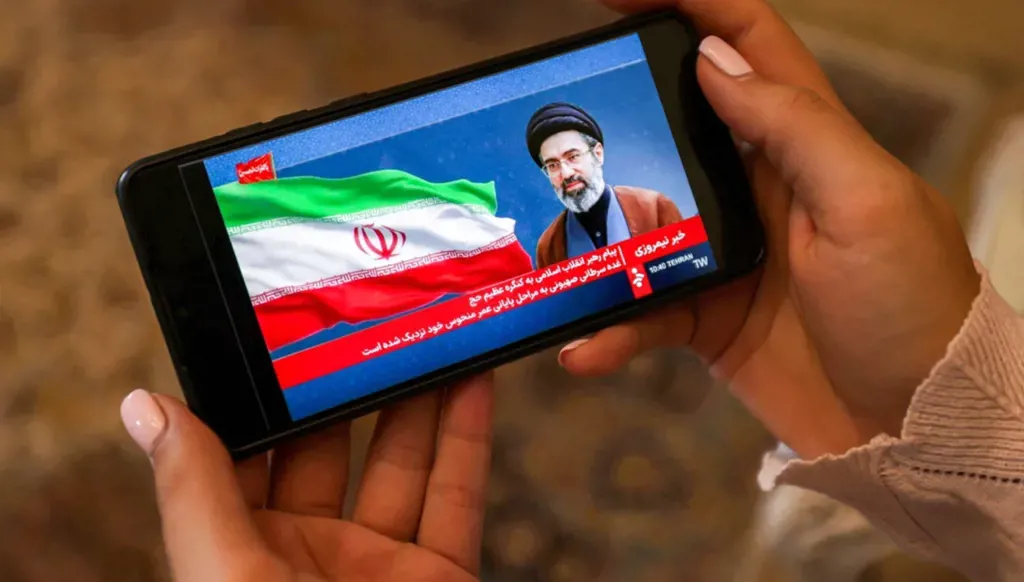
Iran’s state television said on Wednesday that it had obtained an unofficial draft agreement that would restore commercial shipping through the strategic strait to prewar levels within a month, with Iran and Oman jointly managing the waterway.
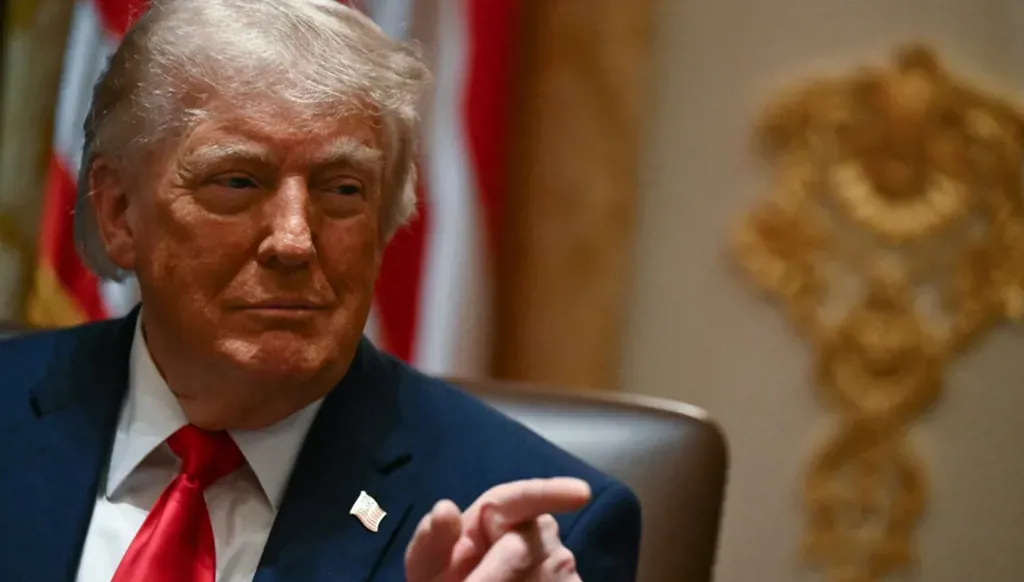
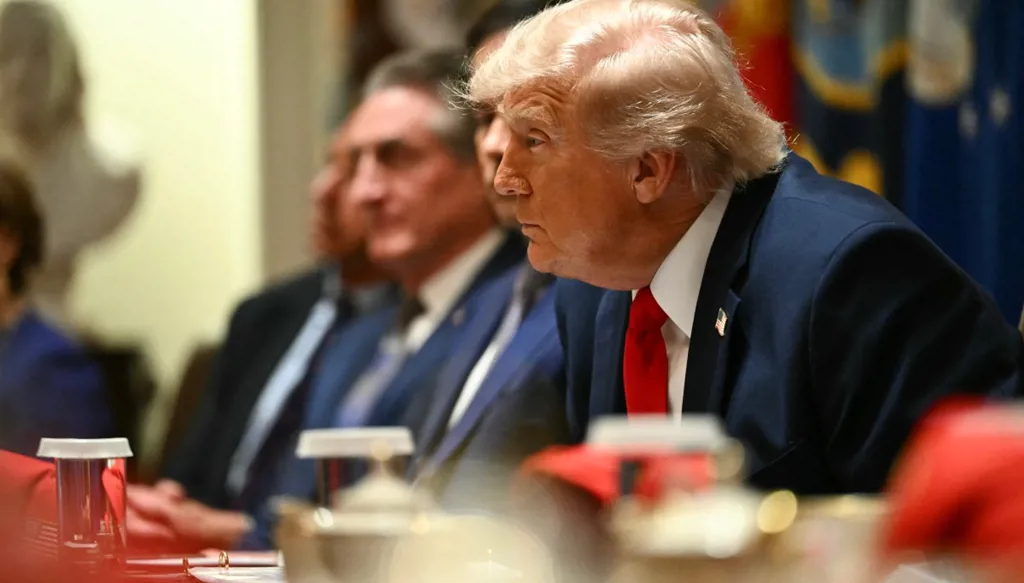
At a cabinet meeting attended by the media, Trump denied the Iranian report and said that no country would control the waterway. He also appeared to threaten Oman, a country that has maintained military and economic relations with the United States for decades.
He added that no one would control the strait, saying it is international waters and that Oman would act like any other country, otherwise the United States would have to strike it. He said they understand this and everything would be fine.
Attack on Oman
In another context, Trump threatened to attack Oman if it sided with Iran in the issue of reopening the Strait of Hormuz.
He said Oman should behave properly or it would be destroyed, responding to a question about whether he would accept a short-term agreement allowing Iran and Muscat to jointly control the waterway.
Speaking to journalists during a cabinet meeting at the White House, Trump said the strait would be open to everyone. He added that it is international waters and that Oman must behave like everyone else, otherwise the United States would have to destroy it. He said they understand this and everything would be fine.
The White House did not immediately respond to a question from Agence France Presse about whether this was a slip of the tongue and whether he meant Iran instead of Oman.
The Iranian television report also said the draft includes the lifting of the US blockade on Iranian ports and the withdrawal of US military forces from areas surrounding Iran.
Trump’s statements and the reported new strikes show that the gaps between the two sides remain wide, even after the White House recently suggested that a preliminary agreement to end the war could be imminent.
Ibrahim Azizi, head of the National Security and Foreign Policy Committee in the Islamic Consultative Assembly, said that Trump’s rhetoric would not force Iran to back down from its demands to enrich uranium, maintain control over the strait, and lift sanctions.
In a post on X, he added that it is clear Trump, in an attempt to find a way out of this strategic impasse, is oscillating between issuing threats and calling for a deal.
The war that broke out three months ago has killed thousands and caused a sharp rise in global energy prices since February 28 following US and Israeli strikes. Trump has repeatedly said that a deal is imminent since the ceasefire came into effect in April.
The strait, dismantling Iran’s nuclear capabilities, and sanctions remain key points of dispute in negotiations aimed at ending the conflict.
US forces in the region
The strait is subject to international law, which guarantees foreign ships the right of passage through it.
Trump asked Saudi Arabia, Qatar, Pakistan, Turkey, Egypt, and Jordan to join the Abraham Accords to normalize relations with Israel as part of any agreement to end the war, but those countries rejected this.
Iranian state television said the draft agreement also includes the withdrawal of US forces from the area surrounding Iran. However, it indicated that the issue of the US military presence in the region requires further discussion. The White House denied the report and described it as completely fabricated, while Tehran did not comment.
Oil prices fell by more than five percent after the Iranian television report, but rose in early Asian trading today, with US crude futures increasing by about two percent to 90.38 dollars per barrel.
The US military currently has about 15,000 troops enforcing a blockade on Iran, along with thousands of additional forces at military bases across the region, including Gulf states such as Qatar, the UAE, and Bahrain.
US Navy ships, some carrying thousands of sailors and marines, regularly pass through the region and also dock at ports, some of them in Oman.
The Iranian television report did not mention Iran’s nuclear program, which the United States wants to resolve.
Iranian sources previously said that talks on the nuclear issue would come in a second round of negotiations, something that some of Trump’s strongest supporters may reject. Iran says its nuclear program is for peaceful purposes only.