

How Iran is turning survival into “Victory” after the war with the U.S.
As ceasefire talks gain momentum, Tehran is crafting a powerful post-war narrative built on survival, symbolism, and strategic endurance.


 Messenger
 Whatsapp
 Threads
 Email
Email
 Print
Print
 X
X
 Facebook
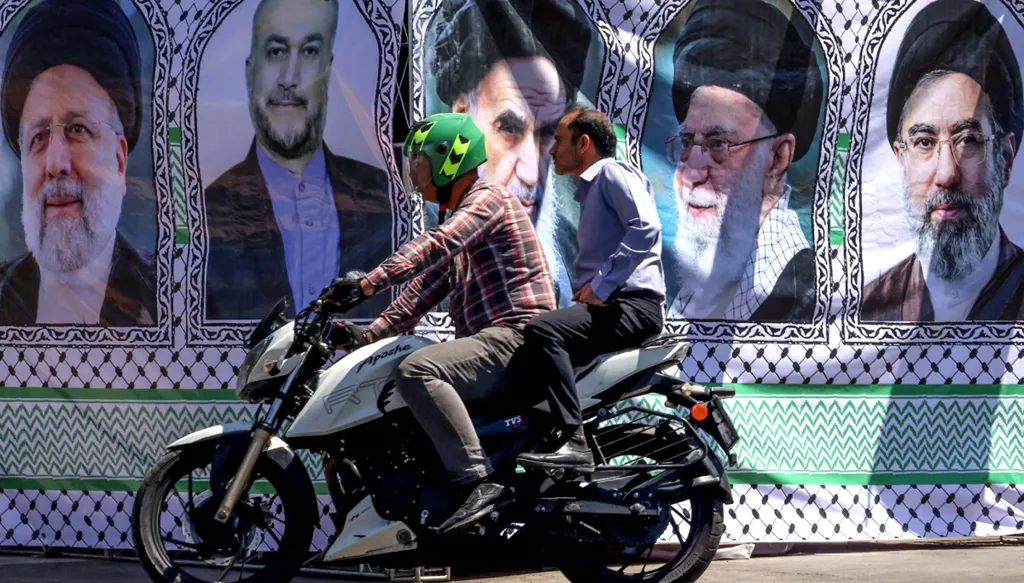
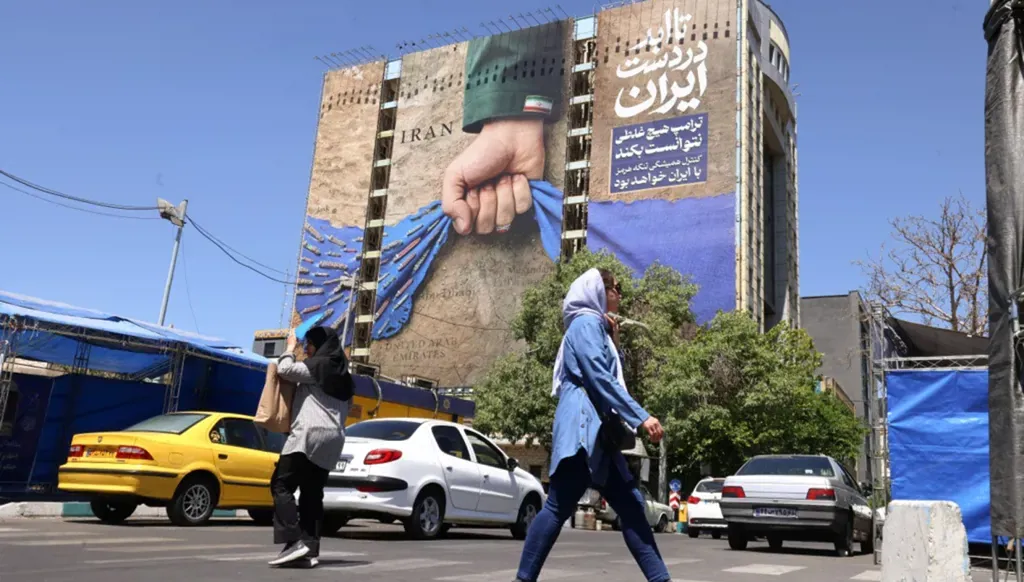
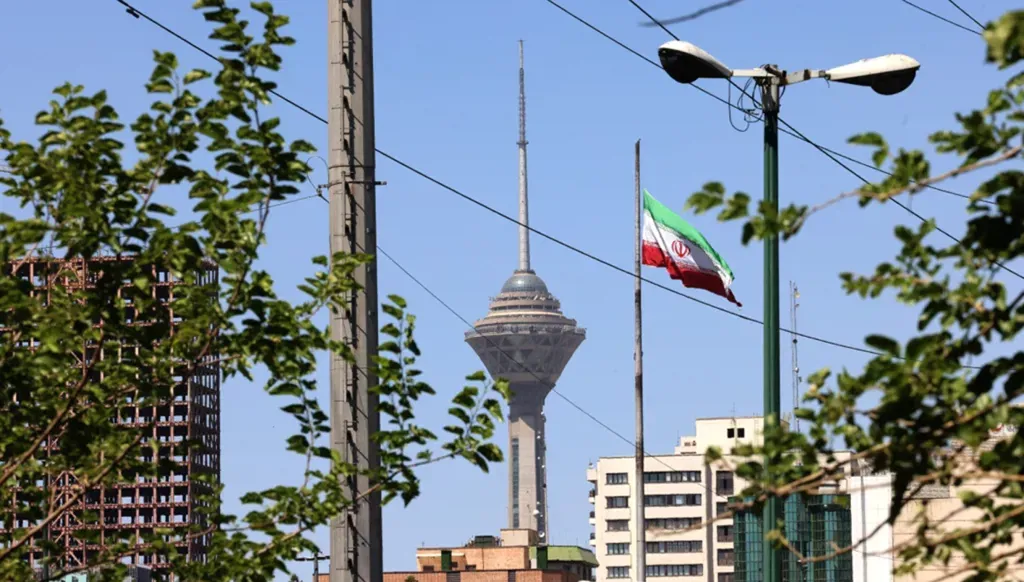


As Washington and regional intermediaries speak of an imminent agreement to ease the escalation between the United States and Iran, Tehran has begun internally preparing a narrative of “resilience and victory” through symbolic rhetoric suggesting that the war ended without breaking the Iranian regime or extracting strategic concessions from it.
In this context, Iranian Foreign Ministry spokesman Esmail Baghaei published an image of an ancient Persian engraving depicting a Roman emperor bowing before a Sasanian king, sending a political message widely perceived as directed at Washington and asserting that the “illusions” of major powers’ superiority have collapsed.
How Does Iran View the Outcome of the War?
Iran affairs expert Dr. Firas Elias told “Annahar” that despite the heavy military and economic losses incurred during the war, Iran does not assess the outcome of the confrontation solely through material losses, but rather through the “survival of the regime” and its ability to assert itself as an indispensable regional and international player.
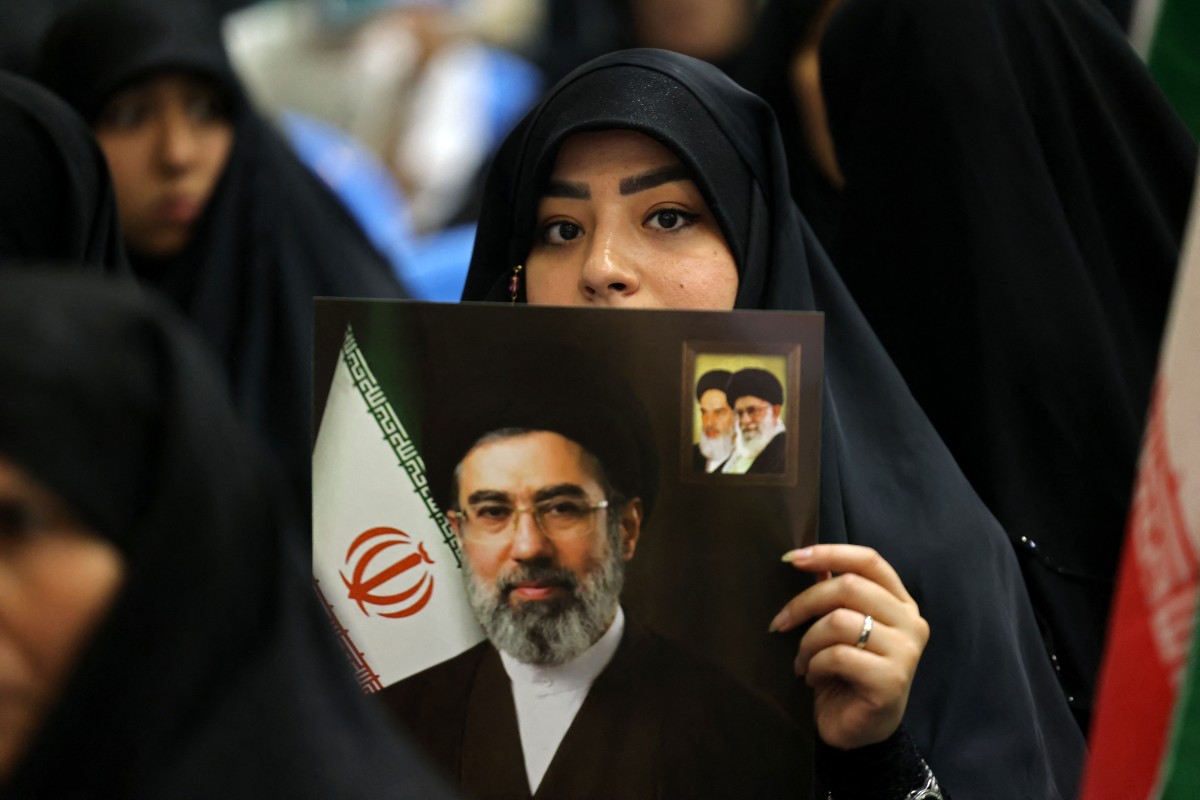
He points out that Tehran seeks to portray any potential agreement with Washington as a “strategic victory,” arguing that the United States’ shift from the option of war to negotiations reflects, according to the Iranian narrative, the failure of military force to break the regime’s political will."
He adds that Washington’s willingness to negotiate after the war “gives Iran vast room to present itself domestically and regionally as a state that withstood extreme pressure and ultimately compelled its adversaries to return to the negotiating table.” The state that was expected to be pushed toward collapse or total surrender has instead become a partner in shaping post-war arrangements — a point Tehran is likely to exploit politically and symbolically to the fullest extent.
He concludes by saying that Tehran has so far succeeded in preventing the war from becoming a “historic turning point” for the regime, while reaffirming itself as an indispensable player in any future regional equations. However, turning this resilience into a “lasting strategic victory” will ultimately depend on what it gains, or loses, at the negotiating table.
What Is the Concept of "Victory"?
Director of the Iraqi Media Center in Washington, Nizar Haidar, told “Annahar” that the concept of “victory” in Arab and regional contexts has historically not been measured solely by the scale of losses, but rather by the ability to endure after war — as seen in past experiences such as the Iran-Iraq war, where both sides claimed victory despite the massive destruction suffered by the two countries.