

Iranian families weigh safety and strain as schools remain closed after war
Despite a ceasefire and political talks, remote schooling continues to reshape children’s daily lives, leaving parents and teachers caught between relief and growing concern over its long-term impact.


 Messenger
 Whatsapp
 Threads
 Email
Email
 Print
Print
 X
X
 Facebook
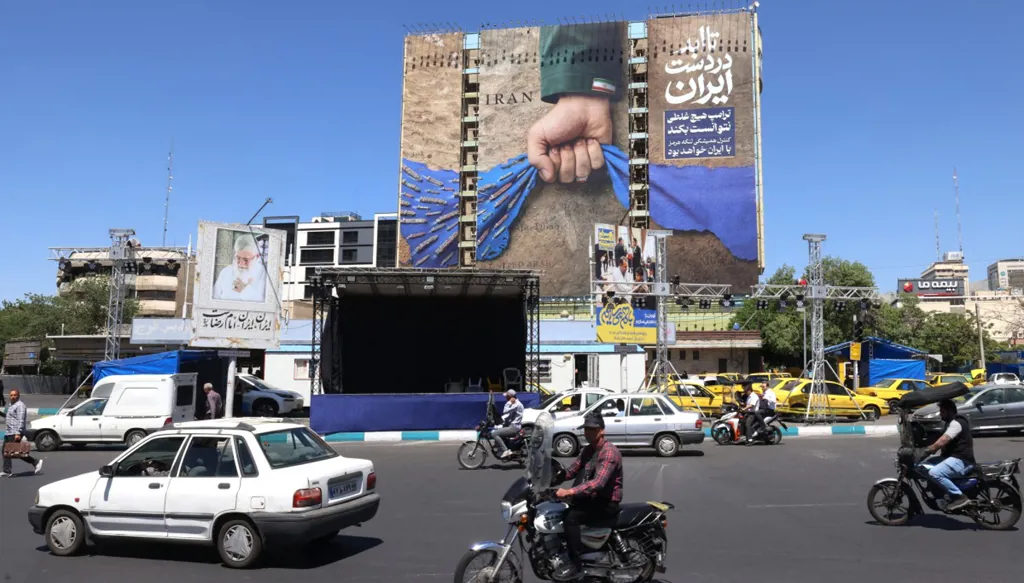


Sarah spends every afternoon helping her seven-year-old son attend his online classes, while Iranian authorities’ decision to close schools and switch to remote learning since the outbreak of the US–Israeli war on the Islamic Republic remains in place despite the ceasefire.
Although this new routine has upended the life of 38-year-old Sarah and her child, she felt some relief when education moved online after the war began on 28 February, as US and Israeli strikes on both military and civilian infrastructure did not spare schools.
However, this also meant she had to juggle housework with supervising her son’s lessons and homework, while trying to keep him focused amid disrupted sleep patterns and reduced contact with his classmates and teachers.
Meanwhile, teachers sit alone in completely empty classrooms, their voices echoing as they teach remotely, while mothers carry the responsibility of keeping children in front of screens and engaged in their lessons.
Sarah says, “We do not want this situation to continue, because children need a proper learning environment, both for academic development and for social skills.”
She adds, “The hardest part is that first-grade students need their mothers with them all the time.”
Still, Sarah feels grateful. According to Education Minister Alireza Kazemi, the fighting has “completely destroyed” at least 20 schools and killed 279 students.
Among the strikes was an attack on a school in the southern city of Minab, which killed at least 73 boys and 47 girls out of more than 150 total fatalities, according to Iranian officials.
The United States and Israel have not officially taken responsibility for the attack, but a New York Times investigation concluded that a US Tomahawk missile struck the primary school.
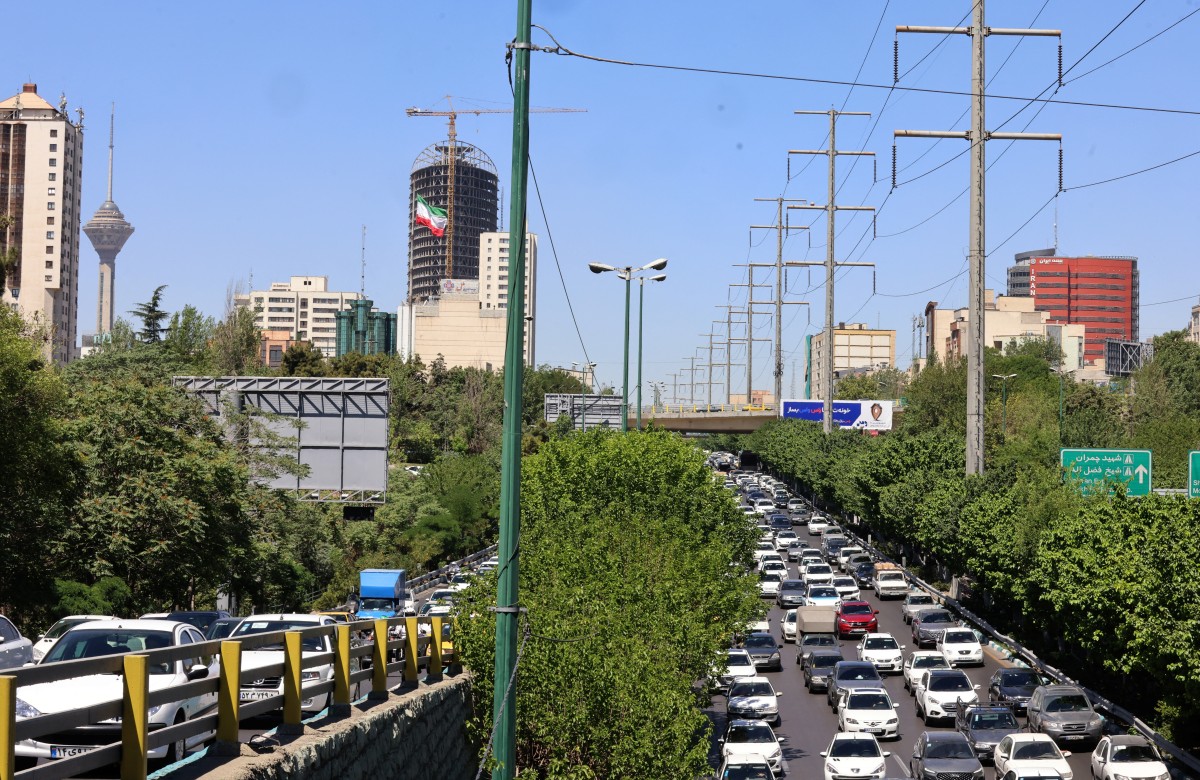
Vahideh Gitifard, a 45-year-old mother and editor living in Tehran, told Agence France-Presse that she feels torn between relief that her child is safe and anxiety about the long-term effects of remote learning.
She says, “Staying at home for a long time has its downsides. Children have lost the physical activity they used to do at school… and they no longer have direct interaction with teachers.”
Despite the ceasefire in place since 8 April, schools in Iran have still not reopened, at a time when Tehran and Washington appear close to reaching an understanding that could end the war between them.
The Iranian Foreign Ministry announced on Saturday that it is finalising a deal that would pave the way for an agreement with the Americans.
However, Gitifard says that given the current lack of clarity, she will not allow her child to return to school until an official end to the war is declared, adding that many mothers share the same view.
At Tehran’s Tolou Sabz School, teacher Faezeh Hesarakizad explains that staff are trying to maintain contact with students despite the lack of in-person classes.
She says, “We turn on cameras during lessons, provide support sessions, and try not to drift away from our students,” adding, “We try not to let the gap widen.”
The school year in Iran typically runs from late September to mid-June, but this year it has been repeatedly disrupted by the war and internet outages, as well as anti-government protests that broke out in December and peaked in January.
With the war beginning at the end of February, a widespread internet shutdown was imposed, leaving millions of users dependent on a local intranet.
Teachers have had to use local applications to organise lessons, assignments, and exams, but parents complain about ongoing technical problems.
According to Lida (47), a mother of a 15-year-old daughter, “Some apps are very slow and struggle to upload files.”
She says teenagers “have become largely isolated and do not meet much… and because they are at a sensitive age, it is difficult to allow them to go out alone.”
In a village in western Iran, teacher Sina (27) says that small class sizes make remote teaching easier in rural areas, but warns that “the quality of education will decline in the long term.”
He adds, “The infrastructure for online education is incomplete and the internet is unstable,” noting that some villages do not have any internet access at all.
In Tehran, teacher Hesarakizad says she is trying to maintain a sense of normality, but like others, she longs for the return of in-person schooling.
She concludes, “We miss them very much.”