

Iran–US negotiations and Lebanon: Hezbollah’s weapons at the center of a high-stakes regional equation
As diplomacy between Washington and Tehran advances, Lebanon risks becoming a bargaining arena where ceasefires, sovereignty, and Hezbollah’s arsenal are weighed against broader regional power deals.


 Messenger
 Whatsapp
 Threads
 Email
Email
 Print
Print
 X
X
 Facebook
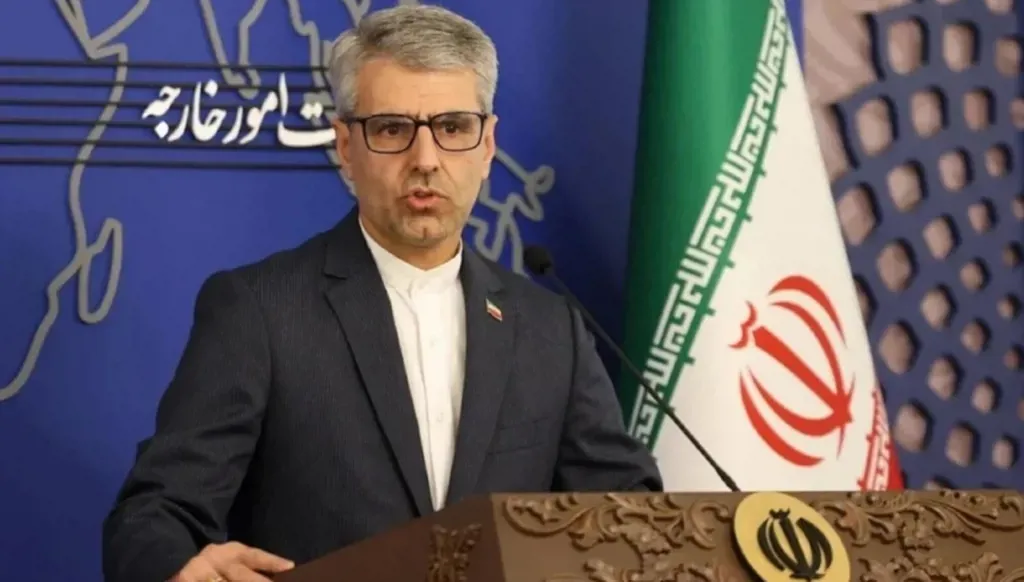


Esmail Baghaei, the official spokesperson for the Iranian Ministry of Foreign Affairs, who was appointed as the official spokesperson for Iran’s negotiating delegation, said that stopping the war on all fronts, especially Lebanon, is a key element of understanding in any agreement.
The Iranian condition of including the Lebanese front in the understanding with the United States does not come from randomness or sympathy, but from a purely Iranian interest, which may overlap with some Lebanese interest in accelerating a ceasefire. However, Iran, which has invested heavily over decades in Lebanon, does not want to lose this key card in its expansion beyond its borders, especially along the border with Israel. Bringing Lebanon into the framework of understandings effectively makes Iran a central partner not only in military decision making but also in the political decision related to war and peace. With Hezbollah insisting on not disarming, weapons once again become a bargaining chip between Tehran and Tel Aviv directly, which strengthens Iran’s position even if it comes at the expense of Lebanon and its security and people.
However, a ceasefire or stopping the war does not necessarily mean providing solutions to the weapons issue, and such an understanding does not include an Israeli withdrawal from occupied Lebanese territory, nor the return of displaced people, nor allowing the reconstruction of the south and parts of the Bekaa.
While talk has increased in the past two days about a package of solutions, and then one Arab television channel quoted a US official saying that stopping the war does not address the weapons issue, Randa Takieddine, the correspondent of Annahar in Paris, reported from senior sources following the Lebanese file in the French capital that a possible US Iranian agreement, if reached, would come at the expense of Lebanon regarding the disarmament of Hezbollah.
The American side may leave Israel in its current position, meaning that the Israeli occupation would remain and the issue of disarming Hezbollah would remain unresolved without any solution. Paris believes that the analysis that was common in some Lebanese circles, that once an agreement is reached between Iran and the United States the issue of Hezbollah’s weapons will be addressed, is a mistaken analysis, and this is what Paris has expected from the beginning.
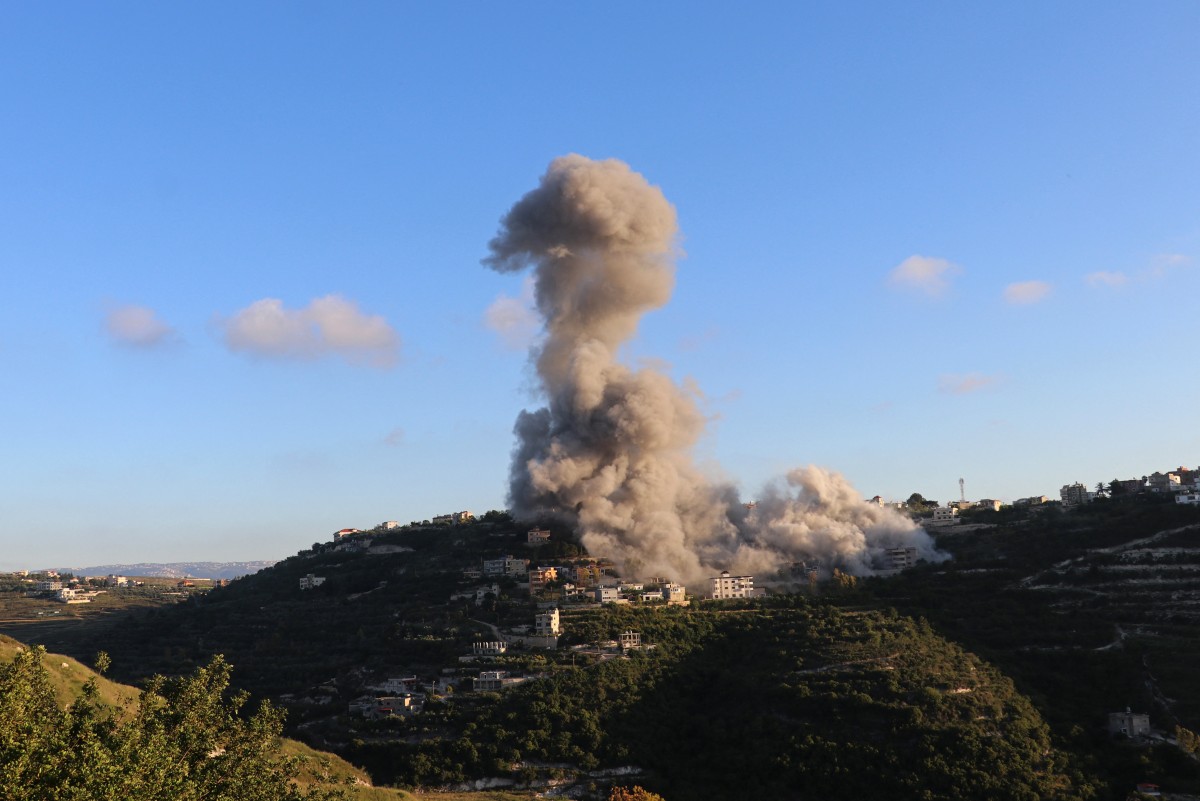
Paris also believes that these were the calculations of the Speaker of the Lebanese Parliament Nabih Berri, as he expected an agreement between the US administration and the Iranian regime, and that at that point Hezbollah would feel stronger because of this agreement. However, Berri responded to a question from Annahar about the agreement and the possibility of it including Lebanon by saying: “The real test is in implementation.”
It is expected that the French presidential envoy, Minister Jean Yves Le Drian, will visit Lebanon after Eid al Adha in a renewed French effort to bring viewpoints closer together, as France often expresses concern about Lebanese internal tensions that could undermine all previous gains.
In contrast, Washington will insist on not accepting any solutions related to Lebanon except through the ongoing negotiation track in Washington, so that it does not lose this card and hand it as a gift to Tehran.