

Hezbollah, Iran–US diplomacy, and Lebanon’s political deadlock: Inside the regional power struggle shaping the South
How ceasefire expectations, Washington’s stance, and Israel’s security doctrine are reshaping Lebanon’s internal balance and the future of southern stability


 Messenger
 Whatsapp
 Threads
 Email
Email
 Print
Print
 X
X
 Facebook


Sheikh Naim Qassem, Secretary-General of Hezbollah, quickly emphasized the party’s confidence, which it draws from the expected agreement between the United States and Iran that includes ending the war on the southern Lebanese front, even before the agreement being negotiated through Islamabad was finalized.
This confidence was constructed around spreading the perception that Iran would enforce a ceasefire and “impose its conditions” by halting Israeli attacks on the group, thereby providing it with leverage it would then seek to strongly exploit within Lebanon, including calls for the government’s overthrow to solidify what it presents as a victorious outcome.
Qassem completely disregarded the Israeli conditions that required Washington to enable Israel to continue countering any potential rearmament of the group, which it views as a threat to its security and justifies under the principle of self-defense in any agreement. Instead, he focused solely on Lebanon’s inclusion in the Iranian-American agreement, prompting an immediate response, not from any Lebanese party, even though Qassem’s statements and rhetoric no longer carry the same weight as the party’s speeches and positions did during the era of Sayyed Hassan Nasrallah. Reports also indicate notable dissatisfaction among Shiite authorities with Naim Qassem’s softer approach.
The response instead came directly from US Secretary of State Marco Rubio, who, while in New Delhi amid ongoing discussions over the agreement’s provisions at the White House, took the time to issue a sharp rebuke to Qassem. His remarks outlined the American framework for dealing with Lebanon, effectively reaffirming the continued separation between US-sponsored direct negotiations between Lebanon and Israel and the Iranian-American negotiation track.
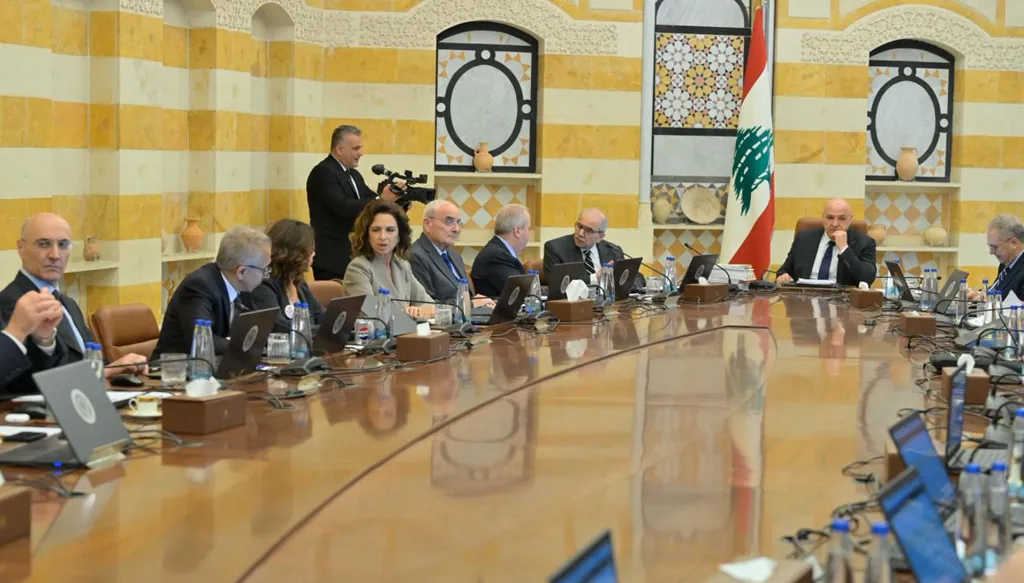
Qassem’s call, or threat, to overthrow the government through public protests is seen as an attempt to demonstrate that he holds a powerful negotiating card against the Lebanese state itself. Some observers noted that his hasty disclosure of the party’s intentions also carried the dimension of alerting Washington to the implications of the American–Iranian agreement, potentially strengthening Israel’s position and Washington’s continued desire to empower it in southern Lebanon indefinitely.
However, should this possibility materialize, dangerous scenarios could emerge from the formation of opposing public movements rejecting the party’s dominance and its attempts to impose conditions on the state through chaos, threats of war, or internal strife. Alternatively, his preference to restore a state of shared government decision-making power or to negotiate externally to prevent such a scenario may prevail. The American response stated that the party would not be allowed to replicate its past actions, similar to the May 7 model, or even organize street protests like those seen in April in front of the government palace, and that it would not regain the initiative to reverse the current balance of power. Washington remains vigilant, maintaining its stated commitment to Lebanon thus far.
In his post on X, Rubio stated: “The era when a terrorist group holds an entire nation hostage is nearing its end.” The significant irony in Qassem’s seemingly empowered position lies in his attempt to cover up the scandal that Israel, according to the American–Iranian agreement, obtained the right to preventive defense and prevented the party from arming. This was explicitly consented to by both America and Iran this time, targeting the party.
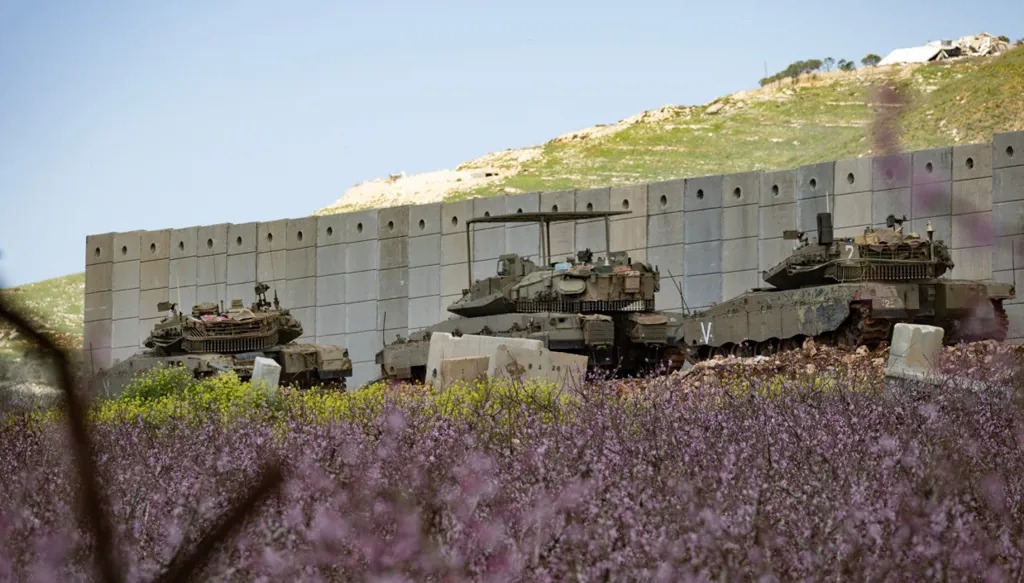
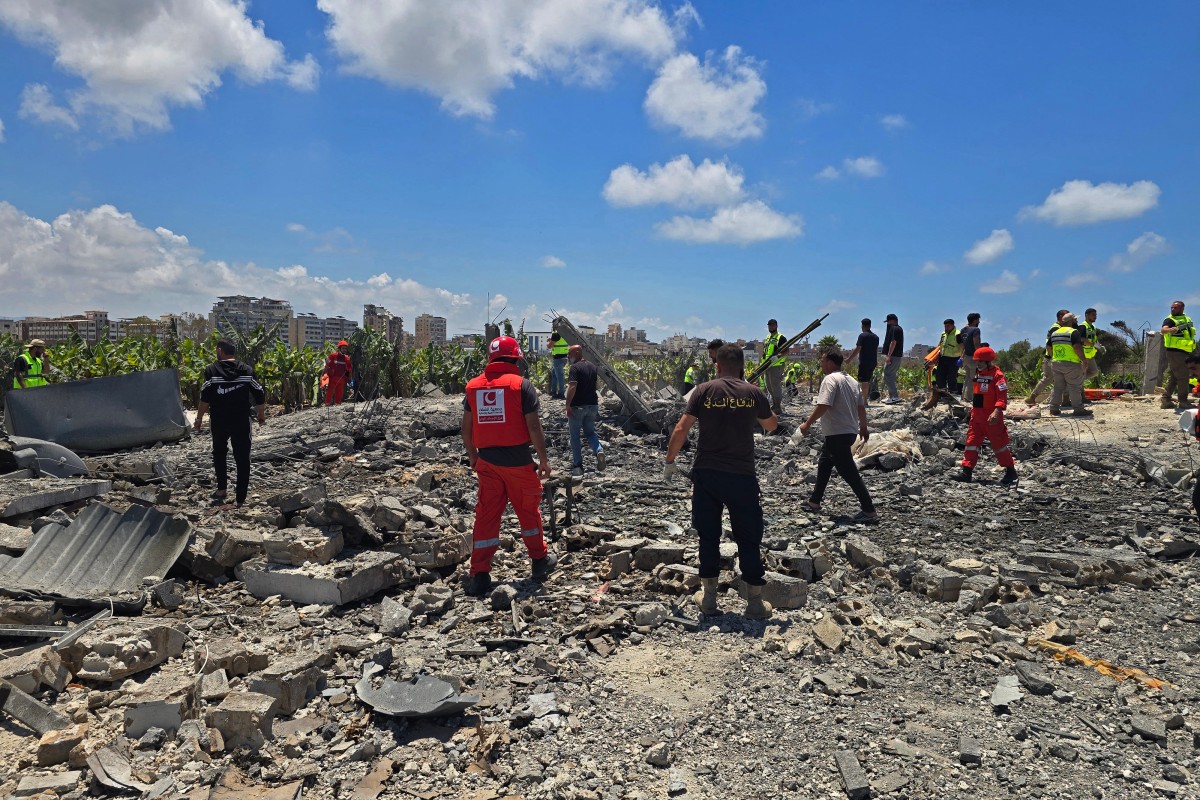
In any case, diplomatic observers believe that this empowerment is what the party sought by betting on a ceasefire achieved by Iran rather than the Lebanese state, aiming to weaken the latter’s position and regain negotiating leverage as long as it retains weapons it repeatedly refuses to relinquish. However, the scenario could be deeply negative for Lebanon, considering that the ceasefire included in the agreement may establish a long-term status quo in southern Lebanon, implying Israel’s continued presence in forward positions it advanced into within Lebanese villages, while the party retains its weapons on the pretext of not abandoning them as long as Israeli presence persists. This outcome is viewed as strongly preferred by some actors even if it results in southern displaced residents remaining outside their villages and reconstruction in the south remaining stalled until the conclusion of the American–Iranian nuclear agreement or potentially for years to come.
Meanwhile, his bet is also on the inability of Benjamin Netanyahu’s government, facing upcoming elections, to reach an agreement with official Lebanon, given Lebanon’s inability to guarantee the disarmament of the party, as both Israel and the United States are actively pushing for it, further weakening the state’s role and institutions, while he invests in the status quo to buy time primarily and rebuild his capabilities, betting on Iran enhancing its influence or securing a stronger position based on “having the upper hand” as reflected in its negotiations with the United States.
Disclaimer: The opinions expressed by the writers are their own and do not necessarily represent the views of Annahar.