

Lebanon-Israel talks move to the Pentagon as security file enters new phase
The shift in venue reflects US direct involvement as Lebanon pushes for ceasefire guarantees while Israel prepares to present intelligence claims and new field data.


 Messenger
 Whatsapp
 Threads
 Email
Email
 Print
Print
 X
X
 Facebook
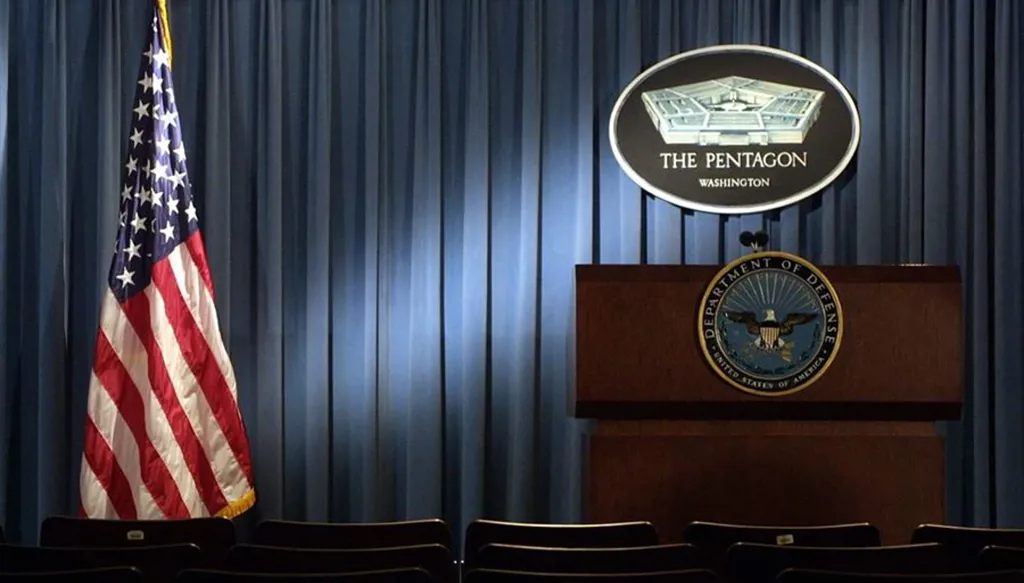


Why the Pentagon?
The significance of the meeting also lies in where it is being held. Moving the talks from Naqoura to the Pentagon reflects a shift in the file from a limited field level framework to a security and strategic track being managed directly by Washington.
The US administration is treating this process as an opportunity to test the Lebanese Army’s ability to stabilize the border situation and adapt to new security arrangements in southern Lebanon, alongside pressure aimed at reaching broader understandings related to restricting weapons exclusively to the Lebanese state.
According to converging information, the Israeli side is preparing to present maps and coordinates related to sites, tunnels, and weapons depots it claims belong to Hezbollah, not only south of the Litani River but also north of it and in the Bekaa region, opening the door to a more sensitive phase regarding the role expected from the Lebanese Army.
However, Lebanese military sources stress that there is a major difference between a mission focused on strengthening deployment and border monitoring and becoming involved in operations based on Israeli intelligence inside Lebanese territory. They emphasized that any step of this kind requires a clear Lebanese political decision and full government backing.
At the same time, despite the speculation surrounding preparations for the meeting, informed sources denied the existence of any official proposal to establish a joint Lebanese Israeli operations room or to create a special Army force dedicated exclusively to handling Hezbollah’s weapons in the south.
The Lebanese delegation heading to Washington will be led by the Army’s Director of Operations, Brigadier General Georges Rizkallah, and includes Brigadier General Ziad Rizkallah, Brigadier General Omar Hlayhel, Brigadier General Wael Abbas, Colonel Mazen El Hajj, Colonel Wadih Rafoul, in addition to the Lebanese military attaché in Washington, Brigadier General Oliver Hakmeh.
According to the sources, the Lebanese delegation is heading to the Pentagon under clear instructions focused on securing the ceasefire first and explaining what the Army has implemented on the ground, without entering into any commitments that go beyond UN Resolution 1701 or the traditional role of the Lebanese military institution.